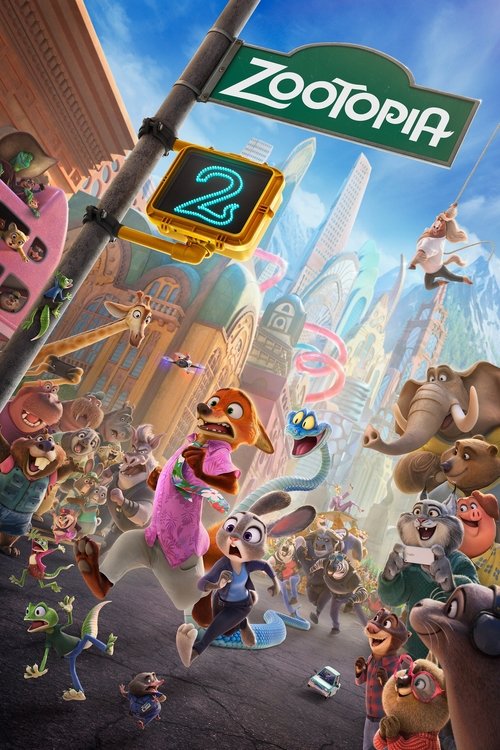
Zootopia 2
2025 · Directed by Jared Bush
Woke Score
CriticCritic Score
Audience
Woke-Adjacent
Critics rated this 15 points above its woke score. Among Woke-Adjacent films, this critic score ranks #65 of 151.
Representation Casting
Score: 75/100
Strong diverse casting including Ke Huy Quan, Idris Elba, Quinta Brunson, and other actors from underrepresented backgrounds. The film prioritizes inclusive voice acting across multiple roles.
LGBTQ+ Themes
Score: 0/100
No explicit LGBTQ+ themes are evident from the plot description or casting information. The original Zootopia did not foreground queer representation, and nothing in the sequel description suggests this has changed.
Feminist Agenda
Score: 55/100
Judy Hopps remains a strong female protagonist and lead character, but the sequel appears to maintain the buddy-cop dynamic rather than centering explicitly feminist themes. The film likely reflects egalitarian values without foregrounding gender analysis.
Racial Consciousness
Score: 70/100
The Zootopia franchise is built on allegorical exploration of racial bias and systemic discrimination. The sequel appears positioned to continue this thematic investment through its plot and character dynamics.
Climate Crusade
Score: 15/100
No environmental or climate-related themes are evident from the plot synopsis. The film appears to focus on criminal investigation and social dynamics rather than ecological concerns.
Eat the Rich
Score: 30/100
While the Zootopia setting includes critique of institutional systems, the sequel appears structured as a mystery thriller rather than an explicit critique of economic structures or class relations.
Body Positivity
Score: 20/100
The film features animal characters of varying sizes and body types, which provides inherent visual diversity, but this appears incidental rather than thematic to the narrative.
Neurodivergence
Score: 0/100
No evidence of neurodivergent representation or themes related to mental health, autism spectrum, ADHD, or similar conditions in the available information about the film.
Revisionist History
Score: 20/100
The film does not appear to reframe historical events or engage with historiography. It exists in a fictional animal world and does not seem to engage with human historical revisionism.
Lecture Energy
Score: 40/100
Zootopia's approach historically balances social themes with entertainment value, avoiding heavy-handed exposition while still maintaining thematic clarity. The sequel appears to continue this measured approach rather than adopting an overtly preachy tone.


Synopsis
After cracking the biggest case in Zootopia's history, rookie cops Judy Hopps and Nick Wilde find themselves on the twisting trail of a great mystery when Gary De'Snake arrives and turns the animal metropolis upside down. To crack the case, Judy and Nick must go undercover to unexpected new parts of town, where their growing partnership is tested like never before.
Consciousness Assessment
Zootopia 2 arrives as a sequel to a 2016 film that achieved something increasingly rare: genuine allegorical complexity about systemic bias delivered through mainstream animation. The original film's core conceit, a metropolis where predator-prey dynamics mapped onto patterns of discrimination and institutional failure, functioned as serious social commentary dressed in colorful fur. The sequel appears committed to continuing this project, particularly through its casting choices that prioritize diverse representation at multiple levels of the voice cast, from returning stars to new additions like Ke Huy Quan and Quinta Brunson.
Yet representation casting alone does not constitute the full spectrum of contemporary social consciousness cinema. The film's structure remains fundamentally that of a mystery-comedy, a genre form that privileges narrative momentum and humor over preachy clarity. The inclusion of characters and storylines that explore systemic dysfunction in Zootopia's animal metropolis may land with varying degrees of contemporary cultural awareness, depending on execution. Without access to the finished film's actual dialogue, tonal choices, and thematic emphasis, we must assess based on what the franchise has historically delivered: smart allegory that educates without lecturing, diversity that feels integrated rather than performative, and a genuine interest in how systems perpetuate inequity.
The film's moderate score reflects this position: it inherits the progressive DNA of the original while remaining somewhat restrained in its embrace of the more explicit markers of 2020s cultural discourse. It is neither cynically commercial nor aggressively preachy, but rather a mainstream entertainment product that takes its social themes seriously without sacrificing accessibility or humor.
Analysis generated by our Consciousness Algorithm
Critic Reviews
“Every bit as exciting and heartwarming and imaginative as the Oscar-winning original and maybe even funnier.”
“This sequel to 2016’s smash hit Oscar-winning animated film proves more than worth the lengthy wait, knocking it out of the park with its dazzling visuals, sophisticated humor and doses of genuine emotion.”
“It preserves the believe-in-yourself mythos of its predecessor, but smoothly addresses the problems baked into Zootopia’s overly sunny portrayal of local government. It doesn’t regurgitate old jokes, but builds on them, and even makes them funnier.”
“There are a few laughs in Z2: of course there are. But they are algorithmically generated and corporately approved. It’s the kind of movie you put on an iPad to keep the children quiet on a long plane or train journey; nothing wrong with that of course, but the heart and soul are lacking.”
Consciousness Markers
Strong diverse casting including Ke Huy Quan, Idris Elba, Quinta Brunson, and other actors from underrepresented backgrounds. The film prioritizes inclusive voice acting across multiple roles.
No explicit LGBTQ+ themes are evident from the plot description or casting information. The original Zootopia did not foreground queer representation, and nothing in the sequel description suggests this has changed.
Judy Hopps remains a strong female protagonist and lead character, but the sequel appears to maintain the buddy-cop dynamic rather than centering explicitly feminist themes. The film likely reflects egalitarian values without foregrounding gender analysis.
The Zootopia franchise is built on allegorical exploration of racial bias and systemic discrimination. The sequel appears positioned to continue this thematic investment through its plot and character dynamics.
No environmental or climate-related themes are evident from the plot synopsis. The film appears to focus on criminal investigation and social dynamics rather than ecological concerns.
While the Zootopia setting includes critique of institutional systems, the sequel appears structured as a mystery thriller rather than an explicit critique of economic structures or class relations.
The film features animal characters of varying sizes and body types, which provides inherent visual diversity, but this appears incidental rather than thematic to the narrative.
No evidence of neurodivergent representation or themes related to mental health, autism spectrum, ADHD, or similar conditions in the available information about the film.
The film does not appear to reframe historical events or engage with historiography. It exists in a fictional animal world and does not seem to engage with human historical revisionism.
Zootopia's approach historically balances social themes with entertainment value, avoiding heavy-handed exposition while still maintaining thematic clarity. The sequel appears to continue this measured approach rather than adopting an overtly preachy tone.