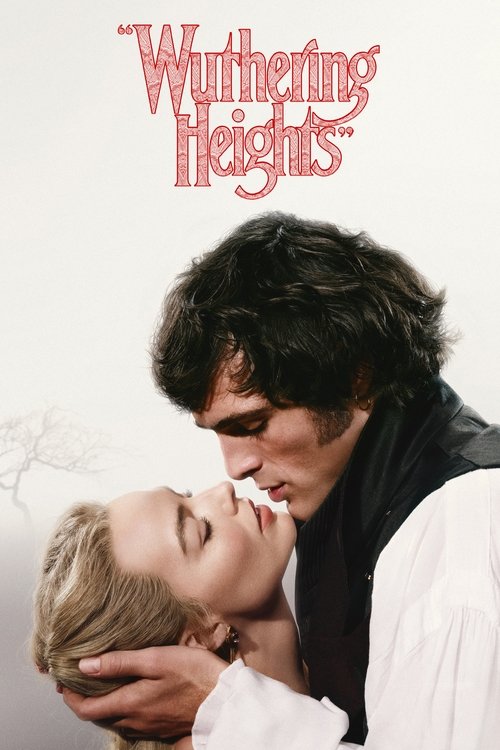
Wuthering Heights
2026 · Directed by Emerald Fennell · $83.3M domestic
Woke Score
CriticCritic Score
Audience
Woke-Adjacent
Critics rated this 28 points above its woke score. Among Woke-Adjacent films, this critic score ranks #82 of 151.
Representation Casting
Score: 15/100
The cast is entirely white, with no apparent effort toward diverse representation. While period-appropriate for the 18th-century Yorkshire setting, there is no modern revisioning through casting diversity.
LGBTQ+ Themes
Score: 5/100
No LGBTQ+ representation or themes are evident in this heterosexual-focused romance centered on the toxic dynamics between Catherine and Heathcliff.
Feminist Agenda
Score: 55/100
Fennell explicitly frames the adaptation as feminist and discusses Brontë's transgressive feminism. However, critics argue the film aestheticizes female degradation without providing political clarity, creating a contradiction between stated intent and execution.
Racial Consciousness
Score: 10/100
Set in 18th-century England with an all-white cast and no apparent engagement with racial themes, representation, or historical consciousness regarding race.
Climate Crusade
Score: 0/100
A period romance with no environmental themes, climate messaging, or ecological consciousness present in the narrative.
Eat the Rich
Score: 10/100
While the source novel contains class dynamics between Heathcliff and the Earnshaw family, there is no indication the film adds modern anti-capitalist critique or messaging.
Body Positivity
Score: 15/100
The film is described as eroticized and provocative, likely featuring conventionally attractive leads in aestheticized contexts. No indication of diverse body representation or body positivity messaging.
Neurodivergence
Score: 0/100
No indication of neurodivergent representation, themes, or engagement with neurodiversity in the narrative.
Revisionist History
Score: 10/100
While Fennell offers a creative reinterpretation of the source material, this constitutes adaptation rather than historical revisionism in the modern social justice sense.
Lecture Energy
Score: 45/100
Fennell's explicit statements about feminism and the novel's transgressive elements suggest preachy weight regarding feminist intentions, though critics note this creates tension with what the film actually depicts on screen.
Synopsis
Tragedy strikes when Heathcliff falls in love with Catherine Earnshaw, a woman from a wealthy family in 18th-century England.
Consciousness Assessment
Emerald Fennell's "Wuthering Heights" arrives as a deliberately provocative statement on transgression and desire, one that has immediately polarized critics along ideological lines. The director frames her adaptation as a feminist reclamation of Emily Brontë's novel, intent on capturing the destabilizing energy that made the source material so compelling to readers seeking narratives of female agency and appetite. Margot Robbie's Catherine is positioned as a woman of appetite and power, not mere victim to Heathcliff's machinations.
Yet critics have identified a curious gap between Fennell's stated intentions and the film's execution. What emerges on screen, according to several analyses, is an aesthetic that aestheticizes female degradation without providing the political or moral framework necessary to justify such a stance. The film traffics in the language of transgression and kink, coding Heathcliff's violence as seductive rather than examining the mechanisms by which patriarchal systems render abuse as romance. This contradiction sits at the heart of the adaptation's cultural moment: it claims the language of progressive critique while executing something closer to eroticized trauma.
The production design and cinematography are reportedly stunning, the period details immaculate, and the performances committed to Fennell's vision. But a stunning frame does not automatically confer moral clarity, and provocativeness does not equal substance. We are left with a film that wants credit for feminist thinking while offering an experience that may ultimately reinforce the very dynamics it claims to interrogate.
Analysis generated by our Consciousness Algorithm
Critic Reviews
“Wuthering Heights is a model of how to bring a classic novel kicking and screaming into the twenty-first century. ”
“It's an intense, uncompromising take that restores some of the shock that made Wuthering Heights so notable when it first appeared.”
“Still, for me, Wuthering Heights' almost impersonal immersion in the light and texture and sound of the moors was the source of its vividness and necessity. In order for the art of literary adaptation to remain vital, we have to be willing to let directors throw aside the book and film their dream of it.”
“The bottom line with Andrea Arnold's Wuthering Heights is that the writer-director has taken Emily Brontë's tale of undying passion and rendered it passionless. ”
Consciousness Markers
The cast is entirely white, with no apparent effort toward diverse representation. While period-appropriate for the 18th-century Yorkshire setting, there is no modern revisioning through casting diversity.
No LGBTQ+ representation or themes are evident in this heterosexual-focused romance centered on the toxic dynamics between Catherine and Heathcliff.
Fennell explicitly frames the adaptation as feminist and discusses Brontë's transgressive feminism. However, critics argue the film aestheticizes female degradation without providing political clarity, creating a contradiction between stated intent and execution.
Set in 18th-century England with an all-white cast and no apparent engagement with racial themes, representation, or historical consciousness regarding race.
A period romance with no environmental themes, climate messaging, or ecological consciousness present in the narrative.
While the source novel contains class dynamics between Heathcliff and the Earnshaw family, there is no indication the film adds modern anti-capitalist critique or messaging.
The film is described as eroticized and provocative, likely featuring conventionally attractive leads in aestheticized contexts. No indication of diverse body representation or body positivity messaging.
No indication of neurodivergent representation, themes, or engagement with neurodiversity in the narrative.
While Fennell offers a creative reinterpretation of the source material, this constitutes adaptation rather than historical revisionism in the modern social justice sense.
Fennell's explicit statements about feminism and the novel's transgressive elements suggest preachy weight regarding feminist intentions, though critics note this creates tension with what the film actually depicts on screen.