We Were Here
2026 · Directed by Pranav Bhasin
Woke Score
CriticCritic Score
Audience
Based
Critics rated this 56 points above its woke score. Among Based films, this critic score ranks #11 of 345.
Representation Casting
Score: 35/100
The cast consists of male performers of what appears to be varied age and background, but there is no deliberate diversification according to contemporary representation standards. The casting reflects the narrative logic rather than intentional demographic balancing.
LGBTQ+ Themes
Score: 0/100
No LGBTQ+ themes, representation, or references are present in this brief narrative about labor displacement. The film does not engage with gender identity or sexual orientation.
Feminist Agenda
Score: 15/100
While the film addresses labor exploitation, a concern with feminist dimensions, it does not center gender analysis or women's experiences. The narrative focuses on male workers without interrogating gendered labor practices.
Racial Consciousness
Score: 25/100
The film is set in India and features Indian actors, which grounds it in a specific cultural and geographic context. However, there is no explicit racial or postcolonial analysis of how automation and economic displacement affect communities differently.
Climate Crusade
Score: 0/100
The film contains no climate-related themes, environmental messaging, or ecological consciousness. The crumbling town setting is atmospheric rather than environmentally diagnostic.
Eat the Rich
Score: 62/100
The film's core concern is the displacement of human labor by machines in service of capitalist efficiency. This represents a critique of technological capitalism and labor commodification, though not articulated through contemporary anti-capitalist frameworks.
Body Positivity
Score: 0/100
Body representation or body positivity are not themes in this film. The performers' bodies are functional to the narrative rather than subjects of explicit commentary.
Neurodivergence
Score: 0/100
No representation of neurodivergence, disability, or neurodivergent experiences appears in the narrative. The film does not engage with this dimension of human experience.
Revisionist History
Score: 10/100
While the film is set in a specific Indian context, it does not revise or reframe historical narratives. It engages with contemporary economic concerns rather than historical reinterpretation.
Lecture Energy
Score: 30/100
The film communicates its themes through metaphor and absurdist performance rather than explicit exposition. However, the central conceit does carry a pedagogical intention about labor displacement, preventing it from scoring lower.
Synopsis
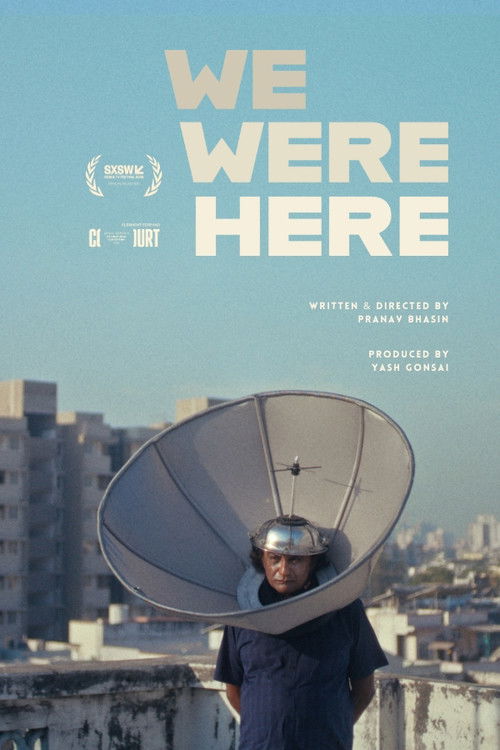
In a crumbling Indian town, three retired men stage a protest against machines taking over human jobs, by pretending to be household appliances.
Consciousness Assessment
Pranav Bhasin's ten-minute short film operates as a clever absurdist meditation on technological displacement, though it operates more within the register of humanist social concern than contemporary cultural positioning. Three retired men, rendered economically obsolete by automation, respond not with traditional activism but by becoming the very machines that displaced them, a conceit that functions as both metaphor and commentary on the dignity of human labor. The film's setting in a crumbling Indian town grounds its anxieties in a specific geography where industrialization and automation carry particular weight, and the performances from Kashyap and Dodke carry a melancholic resignation that prevents the premise from devolving into mere satire.
The work demonstrates awareness of economic inequality and labor exploitation, which are certainly progressive concerns, though they predate contemporary social consciousness frameworks by decades. The film does not concern itself with the demographic composition of its protest, nor does it articulate its critique through the lens of intersectional vulnerability or systemic oppression. Instead, it treats technological unemployment as a universal human problem affecting men across age categories, which is humanistically inclusive but not specifically aligned with modern progressive sensibilities. The three protagonists are presented as sympathetic figures whose struggle is self-evident rather than requiring institutional or systemic analysis.
What prevents this from scoring higher is the absence of any distinctive markers that would signal engagement with the specific cultural frameworks of the 2020s progressive moment. The film is politically conscious in a pre-2015 sense, concerned with labor and dignity, but it does not mobilize identity politics, climate consciousness, body representation, or any of the other contemporary markers in a way that would register as culturally situated. It is a well-executed short film about an important problem, but it remains a universal humanist statement rather than an intervention in contemporary cultural discourse.
Analysis generated by our Consciousness Algorithm
Critic Reviews
“There is no turning away from the screen. ”
“Throughout We Were Here there is not a hint of mawkishness, self-pity or self-congratulation. The humility, wisdom and cumulative sorrow expressed lend the film a glow of spirituality and infuse it with grace. ”
“An extraordinarily moving examination of how the AIDS epidemic both devastated and transformed San Francisco's gay community, this clear-eyed and soulful documentary brings us inside the contagion in a way that is so intimate, so personal, you feel like you're hearing about these catastrophic events for the first time.”
“Simply and devastatingly letting five residents of San Francisco share their reminiscences of that city's nightmarish "war zone" in the early, horrific years of AIDS, We Were Here creates a harrowing, streamlined oral history.”
Consciousness Markers
The cast consists of male performers of what appears to be varied age and background, but there is no deliberate diversification according to contemporary representation standards. The casting reflects the narrative logic rather than intentional demographic balancing.
No LGBTQ+ themes, representation, or references are present in this brief narrative about labor displacement. The film does not engage with gender identity or sexual orientation.
While the film addresses labor exploitation, a concern with feminist dimensions, it does not center gender analysis or women's experiences. The narrative focuses on male workers without interrogating gendered labor practices.
The film is set in India and features Indian actors, which grounds it in a specific cultural and geographic context. However, there is no explicit racial or postcolonial analysis of how automation and economic displacement affect communities differently.
The film contains no climate-related themes, environmental messaging, or ecological consciousness. The crumbling town setting is atmospheric rather than environmentally diagnostic.
The film's core concern is the displacement of human labor by machines in service of capitalist efficiency. This represents a critique of technological capitalism and labor commodification, though not articulated through contemporary anti-capitalist frameworks.
Body representation or body positivity are not themes in this film. The performers' bodies are functional to the narrative rather than subjects of explicit commentary.
No representation of neurodivergence, disability, or neurodivergent experiences appears in the narrative. The film does not engage with this dimension of human experience.
While the film is set in a specific Indian context, it does not revise or reframe historical narratives. It engages with contemporary economic concerns rather than historical reinterpretation.
The film communicates its themes through metaphor and absurdist performance rather than explicit exposition. However, the central conceit does carry a pedagogical intention about labor displacement, preventing it from scoring lower.