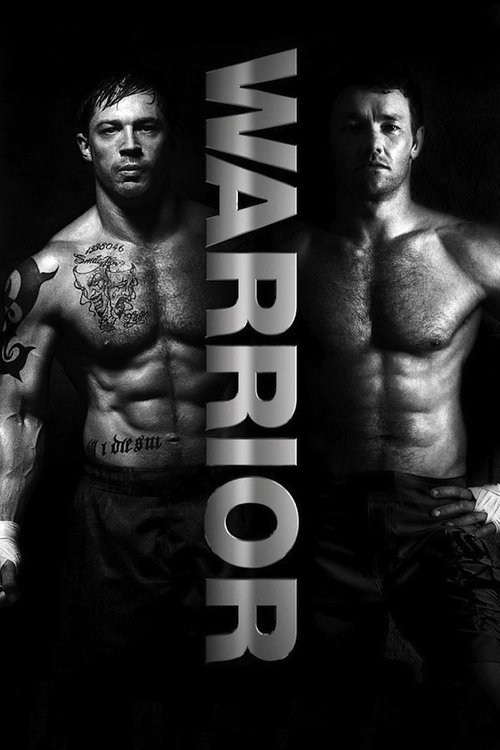
Warrior
2011 · Directed by Gavin O'Connor
Woke Score
CriticCritic Score
Audience
Ultra Based
Critics rated this 67 points above its woke score. Among Ultra Based films, this critic score ranks #589 of 1469.
Representation Casting
Score: 15/100
Predominantly white lead cast with some supporting actors of color, but no deliberate progressive casting choices or diversity mandate evident. The casting reflects the Pittsburgh setting without conscious representation politics.
LGBTQ+ Themes
Score: 0/100
No LGBTQ+ characters, themes, or representation present in the film.
Feminist Agenda
Score: 5/100
Female characters exist in the narrative but are secondary to the male-centered conflict. No feminist consciousness or gender critique is evident.
Racial Consciousness
Score: 0/100
No examination of racial dynamics, systemic racism, or racial consciousness. Diverse supporting characters are incidental to the story.
Climate Crusade
Score: 0/100
No environmental themes, climate messaging, or ecological consciousness present.
Eat the Rich
Score: 10/100
Depicts working-class economic hardship but frames it as an individual challenge to overcome, not a systemic problem. No critique of capitalism or alternative economic vision proposed.
Body Positivity
Score: 0/100
Celebrates athletic male bodies shaped through discipline and training, reflecting traditional masculine ideals rather than modern body positivity consciousness.
Neurodivergence
Score: 0/100
No representation or exploration of neurodivergent characters or conditions.
Revisionist History
Score: 0/100
Not based on historical events and contains no reinterpretation of history.
Lecture Energy
Score: 0/100
The film tells an emotionally driven narrative without preachy messaging about social issues or progressive causes.


Synopsis
The youngest son of an alcoholic former boxer returns home, where he's trained by his father for competition in a mixed martial arts tournament – a path that puts the fighter on a collision course with his estranged, older brother.
Consciousness Assessment
Warrior emerges from a pre-woke cinema, a 2011 sports drama concerned with the classical masculine virtues of perseverance, discipline, and familial reconciliation rather than contemporary progressive consciousness. Director Gavin O'Connor has crafted a film about working-class struggle that treats its subject matter with genuine emotional weight, but the struggle presented here is personal and spiritual rather than systemic or political. The narrative arc moves from estrangement to understanding between two brothers, from addiction to sobriety in a father figure, and from financial desperation to triumph through physical discipline. These are the timeless preoccupations of the genre, not the social justice concerns that would come to dominate cultural discourse in the years following this film's release.
The casting reflects a working-class Pittsburgh milieu without any apparent nod to progressive representation ideology. Tom Hardy and Joel Edgerton carry the film as white male protagonists, and the supporting ensemble includes actors of various backgrounds, but their presence serves the story rather than any diversity mandate. Jennifer Morrison's female character exists primarily in relation to the male narrative. The film's economic dimension, while present, frames poverty and hardship as individual challenges to be overcome through grit and virtue, not as products of systemic injustice requiring collective action or structural critique.
What distinguishes Warrior from more contemporary sports dramas is precisely its refusal to layer contemporary social consciousness onto its narrative. The film was explicitly marketed with Christian themes of redemption and grace. It operates within a traditional moral framework where personal transformation and family healing constitute the dramatic resolution. The violence of mixed martial arts is presented as a crucible for masculine identity and spiritual growth, not as a commentary on toxic masculinity or anything requiring deconstruction. This is a film at peace with itself and its themes, untouched by the cultural anxieties that would later define discourse around masculinity, representation, and social responsibility in cinema.
Analysis generated by our Consciousness Algorithm
Critic Reviews
“It hardly rewrites the rulebook, but Warrior is a powerful, moving and brilliant sports-pic-cum-family drama. Like "The Fighter," but with kicking. ”
“Warrior is a surprising gut punch, a modern-day "Rocky" saga with two mixed martial arts pugs trying to beat, choke and kick the system.”
“For all its titular bravado, Warrior never lets the audience forget the economic and spiritual desperation driving its two main characters, who bleed for the screaming arena crowd in exchange for their shots at redemption, and offer a rare glimpse of soul in a type of film that usually isn't obliged to provide one.”
“A cheap exploitation picture wrapped in miles and miles of stale would-be Oscar scenes.”
Consciousness Markers
Predominantly white lead cast with some supporting actors of color, but no deliberate progressive casting choices or diversity mandate evident. The casting reflects the Pittsburgh setting without conscious representation politics.
No LGBTQ+ characters, themes, or representation present in the film.
Female characters exist in the narrative but are secondary to the male-centered conflict. No feminist consciousness or gender critique is evident.
No examination of racial dynamics, systemic racism, or racial consciousness. Diverse supporting characters are incidental to the story.
No environmental themes, climate messaging, or ecological consciousness present.
Depicts working-class economic hardship but frames it as an individual challenge to overcome, not a systemic problem. No critique of capitalism or alternative economic vision proposed.
Celebrates athletic male bodies shaped through discipline and training, reflecting traditional masculine ideals rather than modern body positivity consciousness.
No representation or exploration of neurodivergent characters or conditions.
Not based on historical events and contains no reinterpretation of history.
The film tells an emotionally driven narrative without preachy messaging about social issues or progressive causes.