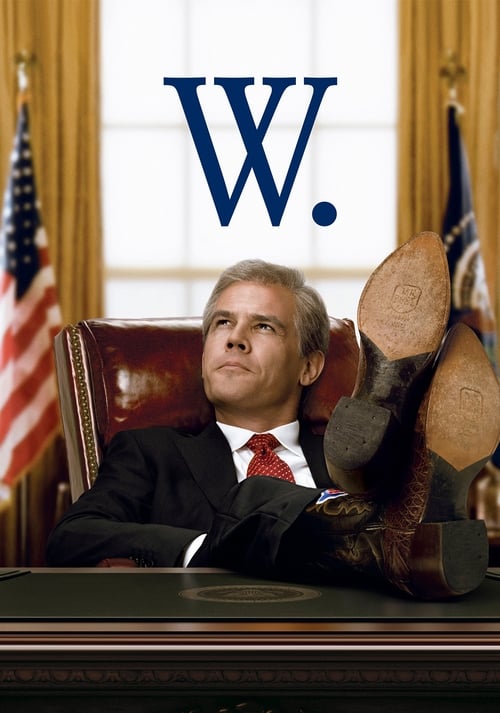
W.
2008 · Directed by Oliver Stone · $2.1M domestic
Woke Score
CriticCritic Score
Audience
Based
Critics rated this 28 points above its woke score. Among Based films, this critic score ranks #271 of 345.
Representation Casting
Score: 25/100
The film includes Black actors in significant roles as historical figures (Condoleezza Rice, Colin Powell), but their inclusion reflects historical accuracy rather than progressive casting choices or critique of racial dynamics.
LGBTQ+ Themes
Score: 0/100
No LGBTQ+ themes, characters, or representation evident in this biographical political drama about Bush's presidency and personal life.
Feminist Agenda
Score: 10/100
Elizabeth Banks plays Laura Bush in a supporting role, but the narrative centers entirely on male figures and male political power. No substantive feminist critique or examination of gender dynamics.
Racial Consciousness
Score: 15/100
While Black figures occupy positions of authority within the administration, the film does not examine or critique racial consciousness, systemic racism, or the racial dimensions of policy decisions.
Climate Crusade
Score: 0/100
No climate-related themes, messaging, or environmental consciousness appears in this political biography focused on the Iraq War and Bush's personal history.
Eat the Rich
Score: 35/100
Stone's anti-war stance and critique of institutional power and decision-making carry some anti-establishment energy, though the film critiques individual incompetence rather than systemic capitalist structures.
Body Positivity
Score: 0/100
No body positivity themes, representation, or commentary present in this biographical political drama.
Neurodivergence
Score: 0/100
No representation, discussion, or engagement with neurodivergence or neurodivergent characters in the film.
Revisionist History
Score: 30/100
Stone presents an alternative narrative framing Bush's presidency as the product of personal dysfunction and family pathology, recontextualizing the official historical record through psychological and biographical lens.
Lecture Energy
Score: 40/100
Stone's preachy directorial style structures scenes to make explicit political arguments about Bush's unfitness and the Iraq War's folly, prioritizing message delivery over narrative subtlety.


Synopsis
The story of the eventful life of George W. Bush, his struggles and triumphs, how he found both his wife and his faith, and the critical days leading up to his decision to invade Iraq.
Consciousness Assessment
Oliver Stone's 2008 biographical drama functions as a straightforward political critique dressed in the language of character study, though its progressive sensibilities remain confined to the anti-war sentiment that defined the Bush era. The film traces the 43rd president's trajectory from alcoholic wastrel to commander-in-chief, punctuating his personal failings with scenes of geopolitical decision-making presented as the inevitable product of family dysfunction and institutional groupthink. Stone, a decorated Vietnam veteran and perennial establishment skeptic, marshals his considerable directorial resources to argue that Bush's entire presidency was a calamity born from personal inadequacy rather than systematic failure or ideological critique.
The supporting cast includes Thandiwe Newton as Condoleezza Rice and Jeffrey Wright as Colin Powell, both portrayed as functionaries within a corrupt apparatus rather than as subjects of their own historical agency or racial positioning. The film's representation of these figures is incidental to its central thesis about executive incompetence. Elizabeth Banks occupies the thankless role of Laura Bush, present but peripheral. Stone's preachy approach, evident in his structuring of scenes to maximize moral clarity about the Iraq invasion's folly, creates what might be called lecture energy, though it remains tethered to conventional political filmmaking rather than contemporary progressive frameworks.
The film scores low on modern indicators of social consciousness because it operates within a pre-2015 liberal critique of executive power. It is anti-war and skeptical of institutional authority, but these positions do not constitute the specific markers of current progressive sensibility. One views this as a competent political biography animated by justified outrage rather than as a film fundamentally engaged with the social justice frameworks that would emerge as cultural touchstones in the years following its release.
Analysis generated by our Consciousness Algorithm
Critic Reviews
“W., a biography of President Bush, is fascinating. No other word for it.”
“You'll be disappointed if you expect famed leftist Oliver Stone to apply a coup de grace to this man.”
“Seems a much more even-handed and thoughtful take on the man than anyone might have expected.”
“The movie plays like a dunk-the-clown game at a carnival. Through intent or ineptitude, he sets up the Bush family and administrations as caricatures.”
Consciousness Markers
The film includes Black actors in significant roles as historical figures (Condoleezza Rice, Colin Powell), but their inclusion reflects historical accuracy rather than progressive casting choices or critique of racial dynamics.
No LGBTQ+ themes, characters, or representation evident in this biographical political drama about Bush's presidency and personal life.
Elizabeth Banks plays Laura Bush in a supporting role, but the narrative centers entirely on male figures and male political power. No substantive feminist critique or examination of gender dynamics.
While Black figures occupy positions of authority within the administration, the film does not examine or critique racial consciousness, systemic racism, or the racial dimensions of policy decisions.
No climate-related themes, messaging, or environmental consciousness appears in this political biography focused on the Iraq War and Bush's personal history.
Stone's anti-war stance and critique of institutional power and decision-making carry some anti-establishment energy, though the film critiques individual incompetence rather than systemic capitalist structures.
No body positivity themes, representation, or commentary present in this biographical political drama.
No representation, discussion, or engagement with neurodivergence or neurodivergent characters in the film.
Stone presents an alternative narrative framing Bush's presidency as the product of personal dysfunction and family pathology, recontextualizing the official historical record through psychological and biographical lens.
Stone's preachy directorial style structures scenes to make explicit political arguments about Bush's unfitness and the Iraq War's folly, prioritizing message delivery over narrative subtlety.