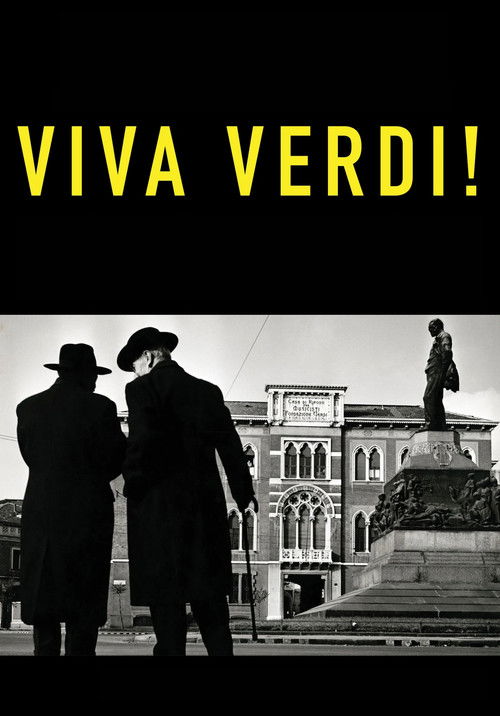
Viva Verdi!
2025 · Directed by Yvonne Russo
Woke Score
CriticCritic Score
Ultra Based
Critics rated this 57 points above its woke score. Among Ultra Based films, this critic score ranks #467 of 1469.
Representation Casting
Score: 35/100
The cast includes international music students from diverse backgrounds, providing geographic and ethnic diversity. However, this diversity appears incidental to the narrative rather than deliberately curated for representation.
LGBTQ+ Themes
Score: 0/100
No evidence of LGBTQ+ themes, representation, or storylines in the documentary's focus on retired opera singers and intergenerational mentorship.
Feminist Agenda
Score: 15/100
The cast includes female opera singers and musicians in prominent positions, but the film contains no explicit feminist commentary or gender-focused analysis.
Racial Consciousness
Score: 20/100
International students of various backgrounds are present, but the film shows no signs of engaging with racial consciousness, systemic inequality, or identity politics.
Climate Crusade
Score: 0/100
No evidence of climate-related themes or environmental advocacy in a documentary about classical music and mentorship.
Eat the Rich
Score: 0/100
The film contains no critique of capitalism, wealth inequality, or economic systems, focusing instead on artistic legacy and institutional care.
Body Positivity
Score: 0/100
No evidence of body positivity messaging, fat acceptance, or commentary on physical appearance and embodiment.
Neurodivergence
Score: 0/100
No representation or discussion of neurodivergence, disability justice, or neurodivergent perspectives in the film.
Revisionist History
Score: 0/100
The documentary honors Giuseppe Verdi's historical legacy without attempting to reframe or revise historical narratives.
Lecture Energy
Score: 15/100
The film contains instructional moments as musicians mentor students, but this reflects the natural mentorship relationship rather than preachy preaching about social issues.

Synopsis
VIVA VERDI. is an intimate glimpse into lives of celebrated opera singers and musicians living our their 'third act' while mentoring music students at Casa Verdi Milan, built by Giuseppe Verdi in 1896.
Consciousness Assessment
Viva Verdi! presents itself as a gentle documentary about the twilight years of distinguished musicians at a Milanese retirement home. Director Yvonne Russo trains her camera on these aging artists as they pass knowledge to younger international students, creating a narrative that celebrates mentorship, artistic legacy, and the dignity of aging. The film operates entirely within a humanistic register, finding meaning in intergenerational connection and the persistence of cultural memory. One observes no particular agenda beyond this aesthetic of preservation.
The documentary's casting of international music students does introduce a modest degree of diversity into the frame, and the presence of these younger, presumably multinational apprentices provides a cosmopolitan gloss to the proceedings. However, this represents simple demographic fact rather than intentional progressive casting. The film exhibits no discernible interest in interrogating systems of power, interrogating the economic structures that necessitate such retirement homes, or positioning its subjects as exemplars of any particular social consciousness. It is a love letter to opera, to aging, and to the Verdian legacy itself.
What emerges from the research is a film that has earned critical affection and Academy Award recognition for its craftsmanship and emotional resonance, but not for any particular engagement with contemporary progressive sensibilities. The film respects its subjects by treating them as individuals with depth and history, which is admirable but not itself a marker of the cultural preoccupations we are measuring. Viva Verdi! remains a modest, well-intentioned documentary that prefers beauty to ideology.
Analysis generated by our Consciousness Algorithm
Critic Reviews
“Featuring fascinating archival footage, timeless music, and a plethora of compelling subjects, Viva Verdi may have a rather narrow target audience. But boy, will it please them.”
“The film is full of vibrancy and joy, enveloping us in an energetic community of the arts.”
Consciousness Markers
The cast includes international music students from diverse backgrounds, providing geographic and ethnic diversity. However, this diversity appears incidental to the narrative rather than deliberately curated for representation.
No evidence of LGBTQ+ themes, representation, or storylines in the documentary's focus on retired opera singers and intergenerational mentorship.
The cast includes female opera singers and musicians in prominent positions, but the film contains no explicit feminist commentary or gender-focused analysis.
International students of various backgrounds are present, but the film shows no signs of engaging with racial consciousness, systemic inequality, or identity politics.
No evidence of climate-related themes or environmental advocacy in a documentary about classical music and mentorship.
The film contains no critique of capitalism, wealth inequality, or economic systems, focusing instead on artistic legacy and institutional care.
No evidence of body positivity messaging, fat acceptance, or commentary on physical appearance and embodiment.
No representation or discussion of neurodivergence, disability justice, or neurodivergent perspectives in the film.
The documentary honors Giuseppe Verdi's historical legacy without attempting to reframe or revise historical narratives.
The film contains instructional moments as musicians mentor students, but this reflects the natural mentorship relationship rather than preachy preaching about social issues.