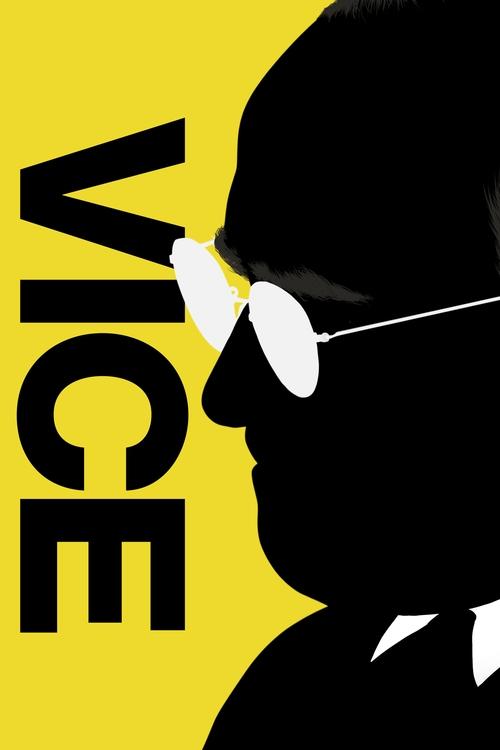
Vice
2018 · Directed by Adam McKay
Woke Score
CriticCritic Score
Audience
Woke-Adjacent
Critics rated this 7 points above its woke score. Among Woke-Adjacent films, this critic score ranks #126 of 151.
Representation Casting
Score: 15/100
The cast is talented and diverse in terms of acting styles, but there is no evident effort toward representation-focused casting. The roles are filled based on conventional merit-based casting practices without attention to demographic diversity or deliberate representation initiatives.
LGBTQ+ Themes
Score: 0/100
The film contains no LGBTQ+ themes, characters, or representation of any significance.
Feminist Agenda
Score: 20/100
Amy Adams plays Lynne Cheney as a complex, sharp-tongued woman who shapes her husband's career, but the film does not center feminist critique or gender as a primary analytical lens. Her character exists within the narrative rather than advancing feminist consciousness.
Racial Consciousness
Score: 5/100
The film does not engage with racial dynamics or racial justice in any meaningful way. While there are Black cast members in supporting roles, race is not a thematic concern of the narrative.
Climate Crusade
Score: 0/100
There is no engagement with climate change or environmental consciousness in Vice, despite the film's extensive critique of corporate influence on policy.
Eat the Rich
Score: 85/100
Vice is fundamentally structured around an anti-capitalist critique, depicting the merger of corporate interests (Halliburton) with executive power as the engine of policy corruption. The film explicitly frames Cheney's enrichment and the enrichment of his allies as inseparable from the harm caused by their policies.
Body Positivity
Score: 0/100
The film contains no engagement with body positivity or related concerns. Physical appearance is not a thematic element beyond Christian Bale's transformative performance.
Neurodivergence
Score: 0/100
There is no representation of neurodivergence or engagement with disability concerns in the film.
Revisionist History
Score: 35/100
Vice takes considerable creative liberties with historical fact, including composite characters and invented scenes, but this serves its satirical critique rather than advancing a revisionist historical agenda about marginalized groups or previously untold histories.
Lecture Energy
Score: 60/100
The film frequently breaks the fourth wall and employs preachy techniques to ensure the audience understands its moral judgments about Cheney and his policies. The tone is deliberately instructive and heavy-handed in its messaging.


Synopsis
George W. Bush picks Dick Cheney, the CEO of Halliburton Co., to be his Republican running mate in the 2000 presidential election. No stranger to politics, Cheney's impressive résumé includes stints as White House chief of staff, House Minority Whip and Defense Secretary. When Bush wins by a narrow margin, Cheney begins to use his newfound power to help reshape the country and the world.
Consciousness Assessment
Vice arrives as a thoroughly contemptuous examination of power, wielded primarily through its treatment of Dick Cheney as a figure of almost mythic malevolence. Adam McKay constructs a film that operates at the intersection of political screed and formal experimentation, breaking the fourth wall and employing sudden tonal shifts to jar viewers into recognition of the machinery of institutional corruption. The film's contempt for its subject matter is absolute and unambiguous, presenting Cheney not as a complex figure but as a villain who systematized his own ambitions into policy. This clarity of moral judgment sits at the core of the film's cultural stance.
Where Vice demonstrates genuine progressive sensibilities is in its anti-capitalist foundation. The film explicitly critiques the revolving door between corporate interests (Halliburton) and executive power, framing Cheney's accumulation of wealth and influence as fundamentally corrosive to democratic institutions. The narrative treats the Bush administration's foreign policy decisions as inseparable from profiteering, and the film does not shy away from depicting the human costs of these choices. The cinematographic choices and narrative structure all serve to reinforce a thesis about the corruption inherent in unchecked executive authority married to corporate interests.
However, Vice's progressive markers remain somewhat narrow in their application. The film's critique is almost exclusively focused on the abuse of power by establishment figures rather than interrogating systemic representation or advancing other contemporary social consciousness concerns. The casting is largely unremarkable by contemporary standards, with no particular attention paid to representation beyond casting accomplished actors in their respective roles. The film does not engage meaningfully with questions of gender beyond Amy Adams' functional role as Lynne Cheney, nor does it address questions of racial justice, environmental consciousness, or disability representation. Vice is a film of considerable ideological clarity on one axis, but limited in its broader engagement with the full constellation of modern progressive sensibilities.
Analysis generated by our Consciousness Algorithm
Critic Reviews
“B-movie stalwart Michael Madsen turns in a no-holds-barred, road-wreck performance in this nihilistic crime thriller, which plays out a variation on the old maxim that there's no honor among thieves -- even if they're cops.”
“Inglis offers complicated characters and uniformly worthy performances without falsely manipulating us into sympathizing with anybody but tries too strenuously to fuse his warring polarities of character-driven intrigue and plot-driven treacheries into an allegory of redemption. In the end, that feels like one or two big things too many.”
“You've see this movie before, but you haven't seen it filtered through Madsen.”
“Raul Sanchez Inglis directed, but Mr. Tarantino's influence prevails, in the cinematography by Andrzej Sekula of "Dogs"; in the abundant epithets and expletives; and in the climactic "Dogs"-style standoff. The film is also dedicated to Chris Penn, Sean's brother, who was in "Dogs" and died in 2006. But missing, regrettably, is that movie's inventiveness, clarity and wit.”
Consciousness Markers
The cast is talented and diverse in terms of acting styles, but there is no evident effort toward representation-focused casting. The roles are filled based on conventional merit-based casting practices without attention to demographic diversity or deliberate representation initiatives.
The film contains no LGBTQ+ themes, characters, or representation of any significance.
Amy Adams plays Lynne Cheney as a complex, sharp-tongued woman who shapes her husband's career, but the film does not center feminist critique or gender as a primary analytical lens. Her character exists within the narrative rather than advancing feminist consciousness.
The film does not engage with racial dynamics or racial justice in any meaningful way. While there are Black cast members in supporting roles, race is not a thematic concern of the narrative.
There is no engagement with climate change or environmental consciousness in Vice, despite the film's extensive critique of corporate influence on policy.
Vice is fundamentally structured around an anti-capitalist critique, depicting the merger of corporate interests (Halliburton) with executive power as the engine of policy corruption. The film explicitly frames Cheney's enrichment and the enrichment of his allies as inseparable from the harm caused by their policies.
The film contains no engagement with body positivity or related concerns. Physical appearance is not a thematic element beyond Christian Bale's transformative performance.
There is no representation of neurodivergence or engagement with disability concerns in the film.
Vice takes considerable creative liberties with historical fact, including composite characters and invented scenes, but this serves its satirical critique rather than advancing a revisionist historical agenda about marginalized groups or previously untold histories.
The film frequently breaks the fourth wall and employs preachy techniques to ensure the audience understands its moral judgments about Cheney and his policies. The tone is deliberately instructive and heavy-handed in its messaging.