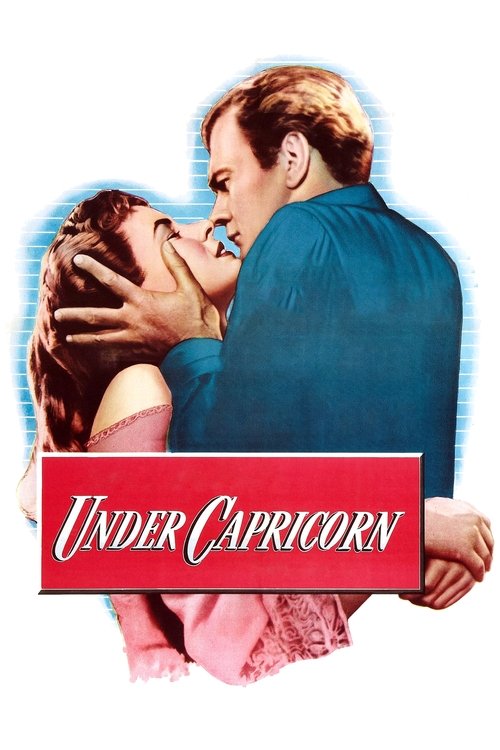
Under Capricorn
1949 · Directed by Alfred Hitchcock
Woke Score
CriticCritic Score
Ultra Based
Critics rated this 61 points above its woke score. Among Ultra Based films, this critic score ranks #888 of 1469.
Representation Casting
Score: 0/100
The cast is entirely white and primarily British or American actors. No evidence of intentional diverse representation in casting decisions.
LGBTQ+ Themes
Score: 0/100
No LGBTQ+ characters, themes, or relationships present in the narrative.
Feminist Agenda
Score: 0/100
While Bergman's character is central to the plot, the film contains no feminist messaging or examination of gender oppression. Her agency is constrained by period circumstance, not critiqued.
Racial Consciousness
Score: 0/100
The film is set in colonial Australia yet contains no representation of or commentary on Indigenous peoples or colonial exploitation.
Climate Crusade
Score: 0/100
No environmental or climate-related themes present in the film.
Eat the Rich
Score: 0/100
The film depicts class transgression as personal achievement rather than social critique. No anti-capitalist messaging is evident.
Body Positivity
Score: 0/100
No body positivity messaging or representation of diverse body types is present.
Neurodivergence
Score: 0/100
No representation of neurodivergent characters or discussion of neurodiversity.
Revisionist History
Score: 0/100
The film treats its historical setting as backdrop. No attempt at revisionist historical examination with modern sensibilities.
Lecture Energy
Score: 0/100
The film contains no preachy messaging or lecturing about social issues. It operates as character-driven thriller.


Synopsis
A British ex-convict in colonial Australia and his fragile wife, haunted by the past crime that binds them, struggle to rebuild their lives when a young newcomer stirs long-buried passions and secrets.
Consciousness Assessment
Under Capricorn arrives as a Hitchcockian exercise in psychological melodrama, a 1949 adaptation of Helen Simpson's 1937 novel set among the colonial gentry of Sydney in 1831. The film centers on the marriage between a former stable boy of Irish origin, now a successful settler, and his aristocratic wife, both bound by shared knowledge of a past crime. Ingrid Bergman's character exists at the emotional core of the narrative, though her agency remains circumscribed by the conventions of 1940s cinema and the period setting itself. Joseph Cotten's performance carries the weight of social transgression, his rise from servitude a personal rather than political achievement. The film treats its colonial Australian backdrop as atmospheric setting rather than as material demanding critical interrogation of imperial systems or their human costs.
What emerges from the narrative is a story of private torment rather than social consciousness. The film exhibits no engagement with the specific dynamics of colonial exploitation, makes no comment on Indigenous peoples or their displacement, and contains no evidence of modern progressive sensibilities regarding representation, gender, sexuality, or systemic inequality. The supporting cast appears in service to the central psychological drama, not as vehicles for contemporary social messaging. The colonial setting functions as historical window dressing, picturesque and morally neutral.
This is a competent Hitchcock exercise in suspense and character study, executed within the aesthetic and ideological frameworks of its era. It makes no claims to social awareness, carries no burden of progressive consciousness, and displays no anxiety about the structures of power it depicts. For those seeking contemporary cultural markers in their cinema, this film offers nothing of the sort. It remains precisely what it was intended to be: a craftsman's work in the thriller genre, concerned with the mechanics of guilt and redemption rather than the machinery of social justice.
Analysis generated by our Consciousness Algorithm
Critic Reviews
“Shot in astonishingly elaborate long takes, this is the kind of film that finds the most brilliant poetry in the slightest movement of the camera—a paradigm of cinematic expression.”
“If Under Capricorn is not Hitch's crowning glory, it is undeniably his most underrated film.”
“Though Under Capricorn’s dark and twisty narrative eventually unearths everyone’s secrets, it’s the swooning camera that most fully taps into the class and sexual tensions that consume the characters. ”
“Under Capricorn is overlong and talky, with scant measure of the Alfred Hitchcock thriller tricks.”
Consciousness Markers
The cast is entirely white and primarily British or American actors. No evidence of intentional diverse representation in casting decisions.
No LGBTQ+ characters, themes, or relationships present in the narrative.
While Bergman's character is central to the plot, the film contains no feminist messaging or examination of gender oppression. Her agency is constrained by period circumstance, not critiqued.
The film is set in colonial Australia yet contains no representation of or commentary on Indigenous peoples or colonial exploitation.
No environmental or climate-related themes present in the film.
The film depicts class transgression as personal achievement rather than social critique. No anti-capitalist messaging is evident.
No body positivity messaging or representation of diverse body types is present.
No representation of neurodivergent characters or discussion of neurodiversity.
The film treats its historical setting as backdrop. No attempt at revisionist historical examination with modern sensibilities.
The film contains no preachy messaging or lecturing about social issues. It operates as character-driven thriller.