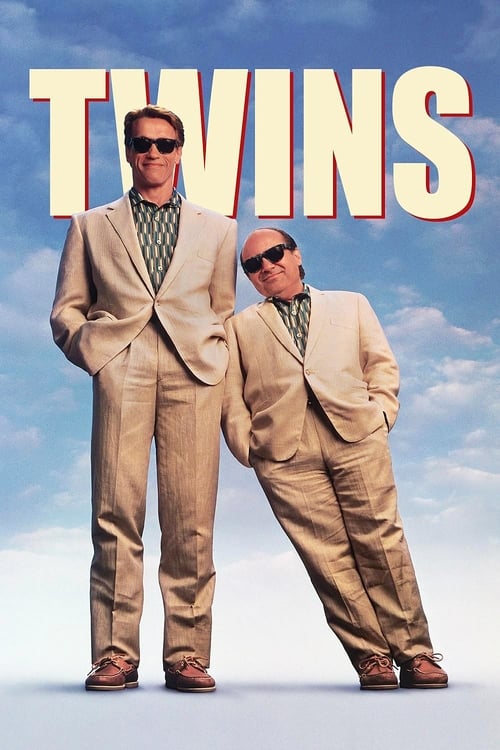
Twins
1988 · Directed by Ivan Reitman
Woke Score
CriticCritic Score
Audience
Ultra Based
Critics rated this 42 points above its woke score. Among Ultra Based films, this critic score ranks #1168 of 1469.
Representation Casting
Score: 15/100
The cast includes some diversity in supporting roles, but the narrative centers almost entirely on two white male leads. Female characters are minimal and serve primarily as romantic interests or background figures.
LGBTQ+ Themes
Score: 0/100
No LGBTQ+ themes, representation, or references are present in the film. The narrative is entirely heterosexual.
Feminist Agenda
Score: 5/100
Women appear in supporting roles with minimal agency. The female characters serve romantic or functional purposes without significant development or independent storylines.
Racial Consciousness
Score: 10/100
The film contains no explicit racial commentary or themes. Minority characters appear in the cast but serve background roles without meaningful representation of racial experience.
Climate Crusade
Score: 0/100
No environmental or climate-related themes appear in the film. The narrative shows no environmental consciousness.
Eat the Rich
Score: 20/100
The film presents class struggle as comedic material. Vincent's poverty is treated as a source of humor rather than systemic critique. The narrative ultimately endorses capitalist success without questioning economic structures.
Body Positivity
Score: 5/100
The entire premise relies on physical contrast as comedy. Danny DeVito's smaller stature is the central joke of the film, establishing a clear hierarchy where physical difference equals comedic material rather than natural human variation.
Neurodivergence
Score: 0/100
No neurodivergent representation or themes are present. The film contains no acknowledgment of neurodiversity.
Revisionist History
Score: 0/100
No historical revision or reexamination of past events occurs. The film is a fictional comedy with no historical basis or commentary.
Lecture Energy
Score: 5/100
The film contains minimal preachy messaging. It is a straightforward comedy focused on entertainment rather than moral instruction, though its assumptions about physical difference reflect unreflective cultural attitudes of its era.


Synopsis
Julius and Vincent Benedict are the results of an experiment that would allow for the perfect child. Julius was planned and grows to athletic proportions. Vincent is an accident and is somewhat smaller in stature. Vincent is placed in an orphanage while Julius is taken to a south seas island and raised by philosophers. Vincent becomes the ultimate low life and is about to be killed by loan sharks.
Consciousness Assessment
"Twins" operates as a high-concept comedy built on the premise that Danny DeVito's character is a joke. This 1988 film predates the contemporary progressive sensibilities by several years, and it shows. The humor derives from physical contrast, which is to say the punchline is that one brother is short and the other is Arnold Schwarzenegger. Vincent's characterization rests almost entirely on class-based stereotyping: he is a degenerate con artist from the wrong side of the tracks, thereby establishing that his small stature correlates with moral and social failure.
The film does feature women in supporting roles, and the cast includes some diversity, but these elements function as background decoration rather than meaningful representation. Kelly Preston's character exists primarily to provide romantic interest for Julius, while the narrative centers entirely on male bonding and competition. The script contains no indication of awareness regarding body diversity as a topic worthy of genuine consideration. That the film eventually grants Vincent some dignity and success feels less like intentional statement-making and more like the standard Hollywood requirement that comedic underdogs eventually prevail.
What makes "Twins" instructive for contemporary analysis is precisely what it lacks: any sense that its central conceit might warrant examination beyond the surface level. The film treats physical difference as inherently comic, an assumption that would draw scrutiny in more recent discourse. It is, in other words, precisely the kind of comedy that modern cultural consciousness has learned to question.
Analysis generated by our Consciousness Algorithm
Critic Reviews
“Twins is not a great comedy - it's not up there with Reitman's "Ghostbusters" and DeVito is not as funny as he was in "Ruthless People" and "Wise Guys" - but it is an engaging entertainment with some big laughs and a sort of warm goofiness.”
“Twins starts with an overblown fairy-tale quality that seems as if it should work. But, by the finish, the movie collapses on the shoulders of the stars. It works because they both showed up and delivered the goods and kept their end of the deal. [9 Dec 1988, p.1]”
“The whole movie has a warmth about it that never slops over into sentiment: there is much more here than tall-guy, short-guy jokes. [12 Dec 1988, p.82]”
“Twins turns out to be, among other things, sad evidence that witty direction is becoming a dying art.”
Consciousness Markers
The cast includes some diversity in supporting roles, but the narrative centers almost entirely on two white male leads. Female characters are minimal and serve primarily as romantic interests or background figures.
No LGBTQ+ themes, representation, or references are present in the film. The narrative is entirely heterosexual.
Women appear in supporting roles with minimal agency. The female characters serve romantic or functional purposes without significant development or independent storylines.
The film contains no explicit racial commentary or themes. Minority characters appear in the cast but serve background roles without meaningful representation of racial experience.
No environmental or climate-related themes appear in the film. The narrative shows no environmental consciousness.
The film presents class struggle as comedic material. Vincent's poverty is treated as a source of humor rather than systemic critique. The narrative ultimately endorses capitalist success without questioning economic structures.
The entire premise relies on physical contrast as comedy. Danny DeVito's smaller stature is the central joke of the film, establishing a clear hierarchy where physical difference equals comedic material rather than natural human variation.
No neurodivergent representation or themes are present. The film contains no acknowledgment of neurodiversity.
No historical revision or reexamination of past events occurs. The film is a fictional comedy with no historical basis or commentary.
The film contains minimal preachy messaging. It is a straightforward comedy focused on entertainment rather than moral instruction, though its assumptions about physical difference reflect unreflective cultural attitudes of its era.