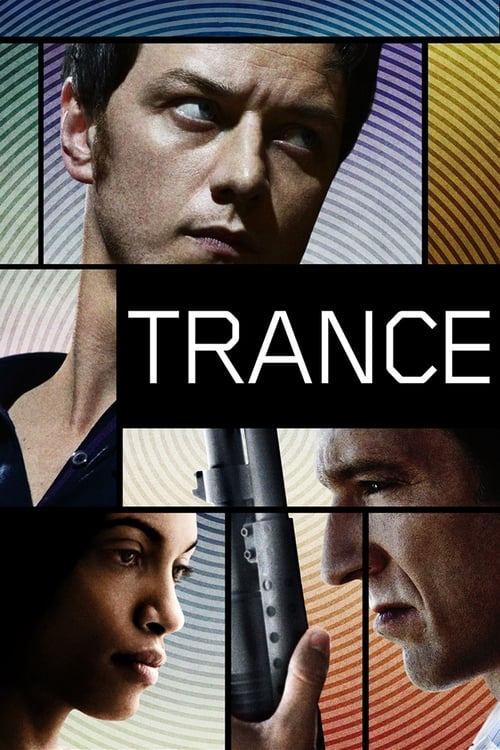
Trance
2013 · Directed by Danny Boyle
Woke Score
CriticCritic Score
Audience
Ultra Based
Critics rated this 53 points above its woke score. Among Ultra Based films, this critic score ranks #862 of 1469.
Representation Casting
Score: 35/100
The film features Rosario Dawson and Danny Sapani in substantial roles, demonstrating some diversity in casting. However, their presence is narrative-driven rather than intentionally progressive, and the film does not foreground or celebrate this representation as part of its artistic vision.
LGBTQ+ Themes
Score: 0/100
No LGBTQ+ themes, characters, or representation are present in the film. The narrative contains no meaningful engagement with sexual orientation or gender identity.
Feminist Agenda
Score: 15/100
Elizabeth Lamb functions as a competent professional in a position of power within the narrative, which provides some implicit female agency. However, the film does not foreground feminist ideology or critique patriarchal structures in any deliberate way.
Racial Consciousness
Score: 0/100
The film contains no explicit racial consciousness, commentary on systemic racism, or thematic engagement with race. Actors of color are present but racial identity is not part of the narrative's concerns.
Climate Crusade
Score: 0/100
No climate-related themes, environmental consciousness, or ecological concerns appear in this psychological thriller about art theft and manipulation.
Eat the Rich
Score: 0/100
While the film involves crime and moral ambiguity, it does not critique capitalism or contain anti-capitalist messaging. The theft is treated as personal motivation rather than ideological resistance.
Body Positivity
Score: 0/100
No body positivity messaging, celebration of diverse body types, or critique of beauty standards appears in the film. Bodies are treated as narrative elements without ideological commentary.
Neurodivergence
Score: 0/100
No representation or meaningful engagement with neurodivergence, mental health identity, or neurodivergent representation as a positive aspect of the narrative.
Revisionist History
Score: 0/100
The film does not attempt to rewrite historical narratives or offer progressive reinterpretations of historical events. It is a fictional psychological thriller with no historical revisionism.
Lecture Energy
Score: 0/100
The film does not lecture audiences about social issues or contain preachy messaging about progressive causes. It prioritizes narrative intrigue over ideological instruction.


Synopsis
A violent gang enlists the help of a hypnotherapist in an attempt to locate a painting which somehow vanished in the middle of a heist.
Consciousness Assessment
Trance exists as a curious artifact from the early 2010s, before the consolidation of contemporary progressive sensibilities into mainstream cinema. This is a film about psychological manipulation and moral decay, concerns that predate and transcend the cultural moment we are tasked with measuring. Danny Boyle's thriller features a diverse cast that includes Rosario Dawson as a hypnotherapist and Danny Sapani in a supporting role, yet their presence functions as narrative necessity rather than deliberate representation. The film does not concern itself with the identity politics or social consciousness that would later define the markers we apply here.
The narrative structure prioritizes plot mechanics, unreliable perception, and the corrupting influence of desire over any engagement with systemic critique. Elizabeth Lamb, the hypnotherapist character, operates within a framework of professional competence and personal vulnerability rather than as a vehicle for progressive commentary. The story's central preoccupation remains the theft of a Goya painting and the psychological unraveling of its characters, matters of art and crime that exist outside the realm of contemporary progressive discourse. There is no meaningful engagement with climate concerns, neurodivergence as identity, body positivity, or anti-capitalist sentiment. The film treats capitalism and crime with the cool detachment of a heist narrative, not as targets for ideological critique.
This is a film that simply predates the cultural moment we are assessing. It belongs to a lineage of psychological thrillers concerned with truth, memory, and the reliability of consciousness itself. These remain valid artistic concerns, though they do not correspond to the specific markers of modern social consciousness that define our scoring apparatus. Trance is a moderately entertaining exercise in misdirection that happens to include performers from underrepresented backgrounds without making their representation the subject of its artistic inquiry.
Analysis generated by our Consciousness Algorithm
Critic Reviews
“The film's not merely content with being a twisty psycho-thriller. Boyle and Hodge expertly tweak and tinker with your sympathies, and the characters you initially peg as heroes and villains may not be in the same place by the time things wrap up.”
“A devious mind game, Trance is also the most entertaining smart movie so far this year. ”
“This exhilarating brain-twister is a nonstop visual, aural and intellectual delight, steeped in movie conventions and yet fizzing with freshness. It’s what happens when film noir goes out to a rave. ”
“I love a good mind-bender, but it's getting more common these days to see thrillers that don't so much bend your mind as chop it, smash it, and place it in the Cuisinart. Trance, the new film directed by Danny Boyle is a high-brainiac art-world thriller that wants to do nothing more (or less) than give your head a majorly pleasurable spin. ”
Consciousness Markers
The film features Rosario Dawson and Danny Sapani in substantial roles, demonstrating some diversity in casting. However, their presence is narrative-driven rather than intentionally progressive, and the film does not foreground or celebrate this representation as part of its artistic vision.
No LGBTQ+ themes, characters, or representation are present in the film. The narrative contains no meaningful engagement with sexual orientation or gender identity.
Elizabeth Lamb functions as a competent professional in a position of power within the narrative, which provides some implicit female agency. However, the film does not foreground feminist ideology or critique patriarchal structures in any deliberate way.
The film contains no explicit racial consciousness, commentary on systemic racism, or thematic engagement with race. Actors of color are present but racial identity is not part of the narrative's concerns.
No climate-related themes, environmental consciousness, or ecological concerns appear in this psychological thriller about art theft and manipulation.
While the film involves crime and moral ambiguity, it does not critique capitalism or contain anti-capitalist messaging. The theft is treated as personal motivation rather than ideological resistance.
No body positivity messaging, celebration of diverse body types, or critique of beauty standards appears in the film. Bodies are treated as narrative elements without ideological commentary.
No representation or meaningful engagement with neurodivergence, mental health identity, or neurodivergent representation as a positive aspect of the narrative.
The film does not attempt to rewrite historical narratives or offer progressive reinterpretations of historical events. It is a fictional psychological thriller with no historical revisionism.
The film does not lecture audiences about social issues or contain preachy messaging about progressive causes. It prioritizes narrative intrigue over ideological instruction.