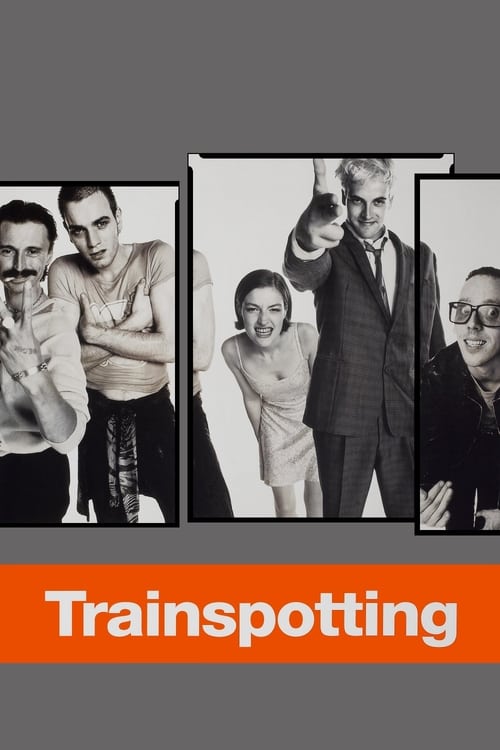
Trainspotting
1996 · Directed by Danny Boyle
Woke Score
CriticCritic Score
Audience
Ultra Based
Critics rated this 79 points above its woke score. Among Ultra Based films, this critic score ranks #294 of 1469.
Representation Casting
Score: 5/100
The film features Kelly Macdonald as Diane, portrayed as intelligent and capable, but the cast is predominantly white and male-centered. Limited meaningful representation beyond the protagonist's circle.
LGBTQ+ Themes
Score: 0/100
No LGBTQ+ themes, characters, or representation present in the film.
Feminist Agenda
Score: 10/100
Diane is presented as the most responsible and morally grounded character despite her youth, contrasting sharply with the dysfunctional male addicts. The film implicitly critiques toxic masculinity through its portrayal of male self-destruction.
Racial Consciousness
Score: 0/100
No racial themes or consciousness evident. The film focuses on Scottish working-class identity and drug culture without addressing racial dynamics.
Climate Crusade
Score: 0/100
No climate themes or environmental messaging present.
Eat the Rich
Score: 15/100
The film critiques the social decay and economic despair of post-Thatcher Scotland, showing systemic failure and hopelessness. However, this is economic critique rather than modern anti-capitalist discourse.
Body Positivity
Score: 0/100
No body positivity messaging or celebration of diverse body types. The film depicts addiction's physical toll without commentary on body acceptance.
Neurodivergence
Score: 0/100
No representation of neurodivergence or disability awareness.
Revisionist History
Score: 0/100
No revisionist historical narrative or reframing of past events.
Lecture Energy
Score: 5/100
The film shows consequences of addiction and systemic failure but does so through narrative and visual storytelling rather than explicit moralizing. Minimal preachy tone.

Synopsis
Heroin addict Mark Renton stumbles through bad ideas and sobriety attempts with his unreliable friends --Sick Boy, Begbie, Spud and Tommy. He also has an underage girlfriend, Diane, along for the ride. After cleaning up and moving from Edinburgh to London, Mark finds he can't escape the life he left behind as Begbie and Sick Boy come knocking.
Consciousness Assessment
Trainspotting arrives at the threshold of our woke accounting as a relic from a time when films could depict social dysfunction without genuflecting before the altar of modern progressive consciousness. Released in 1996, Danny Boyle's frenetic descent into Edinburgh's heroin underworld predates the cultural markers we now scrutinize by nearly three decades, which is to say it operates in a different moral and aesthetic universe entirely. The film's social criticism targets Thatcherite economic collapse and male self-destruction, not the constellation of 2020s progressive sensibilities that now govern our scoring apparatus. It is a work of genuine cultural rage, but rage of a distinctly pre-millennial variety.
The film's modest progressive elements emerge almost accidentally from its narrative priorities rather than from ideological intent. Diane, Mark's underage girlfriend, is rendered as the only character possessed of basic competence and moral seriousness, a fact that casts the male ensemble in unflattering light. The film does not trumpet this as feminist statement; it simply allows her decency to speak against the pathological masculinity surrounding her. The broader social critique of economic collapse and systemic failure carries anti-capitalist implications, though framed through working-class desperation rather than contemporary social justice rhetoric.
What remains absent is far more instructive than what appears. There is no racial consciousness, no LGBTQ+ representation, no climate messaging, no neurodivergence awareness, no body positivity framework. The film pursues its subjects with documentary-like unflinching, depicting addiction as horror rather than as opportunity for preachy instruction. This is not virtue by our modern standards, merely the aesthetic default of its era. Trainspotting scores low not because it fails the contemporary woke test, but because it was made before that test existed. It remains a considerably better film than most modern works that achieve higher scores.
Analysis generated by our Consciousness Algorithm
Critic Reviews
“It would be hard to imagine a movie about drugs, depravity, and all-around bad behavior more electrifying than Trainspotting.”
“Keeps you engaged in this story of a memorable anti-hero for our times.”
“Heroin may be a downer, but Trainspotting definitely takes you up…a series of roaring, provocative, outrageous highs. [26 July 1996, Friday, p.C]”
“The story, such as it is, follows Renton's inconsistent attempts to kick his habit.”
Consciousness Markers
The film features Kelly Macdonald as Diane, portrayed as intelligent and capable, but the cast is predominantly white and male-centered. Limited meaningful representation beyond the protagonist's circle.
No LGBTQ+ themes, characters, or representation present in the film.
Diane is presented as the most responsible and morally grounded character despite her youth, contrasting sharply with the dysfunctional male addicts. The film implicitly critiques toxic masculinity through its portrayal of male self-destruction.
No racial themes or consciousness evident. The film focuses on Scottish working-class identity and drug culture without addressing racial dynamics.
No climate themes or environmental messaging present.
The film critiques the social decay and economic despair of post-Thatcher Scotland, showing systemic failure and hopelessness. However, this is economic critique rather than modern anti-capitalist discourse.
No body positivity messaging or celebration of diverse body types. The film depicts addiction's physical toll without commentary on body acceptance.
No representation of neurodivergence or disability awareness.
No revisionist historical narrative or reframing of past events.
The film shows consequences of addiction and systemic failure but does so through narrative and visual storytelling rather than explicit moralizing. Minimal preachy tone.