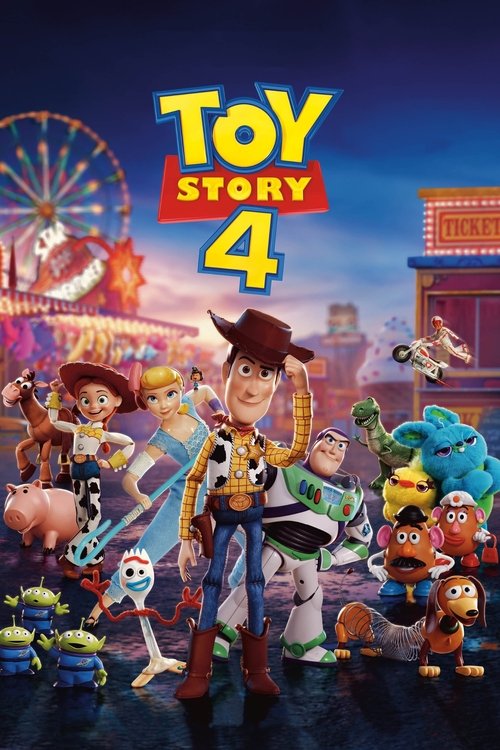
Toy Story 4
2019 · Directed by Josh Cooley
Woke Score
CriticCritic Score
Audience
Ultra Based
Critics rated this 66 points above its woke score. Among Ultra Based films, this critic score ranks #262 of 1469.
Representation Casting
Score: 35/100
The voice cast includes Jordan Peele and Keanu Reeves in supporting roles, and Bonnie's family appears diverse. However, representation feels incidental rather than intentional.
LGBTQ+ Themes
Score: 0/100
No LGBTQ+ themes, representation, or subtext present in the film.
Feminist Agenda
Score: 25/100
Bo Peep is given more agency and independence than in previous films, but the feminist dimension remains modest and character-driven rather than thematic.
Racial Consciousness
Score: 15/100
Diverse voice cast and background characters, but no explicit racial themes or consciousness present in the narrative.
Climate Crusade
Score: 0/100
No climate-related themes or environmental messaging appears in the film.
Eat the Rich
Score: 5/100
Forky's origin as trash could suggest anti-consumerist undertones, but the film makes no sustained critique of capitalism or consumption.
Body Positivity
Score: 0/100
Body positivity is not a theme in a film about animated toys with standardized proportions.
Neurodivergence
Score: 15/100
Forky's anxiety and existential confusion could be interpreted as neurodivergent traits, but this reading requires significant projection beyond what the film explicitly presents.
Revisionist History
Score: 0/100
No historical revisionism present in this fictional narrative about toys.
Lecture Energy
Score: 10/100
The film contains some reflective moments about purpose and identity, but it avoids explicit preachiness or moralizing.


Synopsis
Woody has always been confident about his place in the world, devoted to taking care of his kid—whether that's Andy or Bonnie. But after Bonnie creates a reluctant new toy called "Forky", a road trip adventure alongside old and new friends challenges everything Woody believes about loyalty, purpose, and what it truly means to be a toy.
Consciousness Assessment
Toy Story 4 arrives as a film caught between its commercial obligations and whatever genuine artistic impulses may lurk beneath the surface. The voice cast includes actors of color in supporting roles, and Bo Peep has been retrofitted with a more assertive personality, yet these choices feel less like deliberate statements and more like the natural evolution of a franchise refreshing itself for contemporary sensibilities. The film is competent, occasionally moving, and deeply committed to the proposition that toys have feelings.
Where the film's social consciousness most visibly emerges is in its treatment of Forky, a character literally constructed from garbage who questions his own legitimacy. This could be read as commentary on constructed identity or the value of the discarded, but the film remains too content to be a Pixar movie first and a text second. The narrative ultimately concerns itself with nostalgia, the bonds between toys and their owners, and Woody's journey toward accepting a new purpose. These are genuine human themes, but they operate at a register of emotional authenticity rather than ideological positioning.
The film's diversity in voice casting and its subtle gender dynamics sit comfortably within what a major studio considers progressive in 2019, which is to say they occupy the position of basic representation without demanding anything challenging from the audience. Toy Story 4 is a film that respects its audience's emotional investment in these characters, and that respect manifests as a refusal to weaponize those characters in service of any particular cultural argument. It is, in the most literal sense, just a movie about toys.
Analysis generated by our Consciousness Algorithm
Critic Reviews
“Toy Story 4 reaffirms that Pixar, at their best, are like no other animation studio around.”
“The fourth entry is a worthy addition to the Toy Story library, bringing back some of the most beloved characters in the history of animated film and introducing us to a fantastically entertaining new bunch of toys — some of them adorable and huggable, some of them more reminiscent of a certain type of creepy, old-school doll usually seen in R-rated horror films.”
“Cooley bursts out of the gate in his directorial debut with high energy, tight storytelling, a rousing adventure, laugh out loud comedy, charming new characters, and most importantly, a tender, and dare I say personal, core.”
“It may only be a repeat of earlier ideas and plotlines, but compare it to the fourth films in other franchises and Pixar’s latest is an amusing and charming gem.”
Consciousness Markers
The voice cast includes Jordan Peele and Keanu Reeves in supporting roles, and Bonnie's family appears diverse. However, representation feels incidental rather than intentional.
No LGBTQ+ themes, representation, or subtext present in the film.
Bo Peep is given more agency and independence than in previous films, but the feminist dimension remains modest and character-driven rather than thematic.
Diverse voice cast and background characters, but no explicit racial themes or consciousness present in the narrative.
No climate-related themes or environmental messaging appears in the film.
Forky's origin as trash could suggest anti-consumerist undertones, but the film makes no sustained critique of capitalism or consumption.
Body positivity is not a theme in a film about animated toys with standardized proportions.
Forky's anxiety and existential confusion could be interpreted as neurodivergent traits, but this reading requires significant projection beyond what the film explicitly presents.
No historical revisionism present in this fictional narrative about toys.
The film contains some reflective moments about purpose and identity, but it avoids explicit preachiness or moralizing.