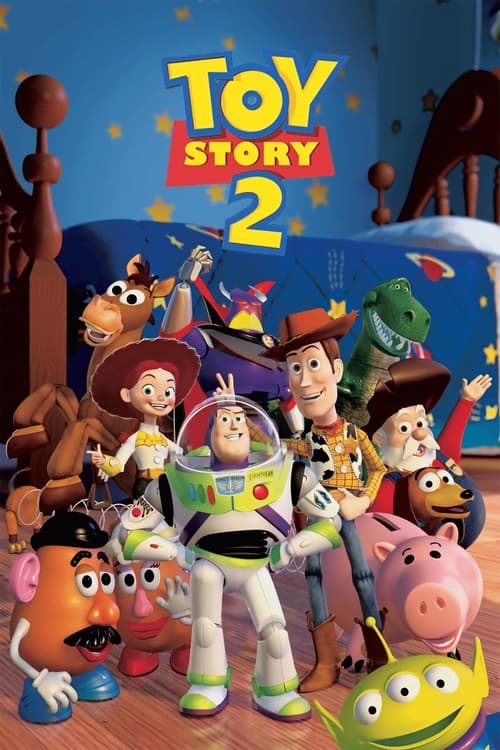
Toy Story 2
1999 · Directed by John Lasseter
Woke Score
CriticCritic Score
Audience
Ultra Based
Critics rated this 80 points above its woke score. Among Ultra Based films, this critic score ranks #176 of 1469.
Representation Casting
Score: 25/100
Jessie introduces a prominent female character, but the cast remains predominantly male in agency and screen time. The ensemble is diverse by toy type, not by deliberate demographic consideration.
LGBTQ+ Themes
Score: 0/100
No LGBTQ+ themes, representation, or subtext present in the film. The narrative is entirely heteronormative by default rather than design.
Feminist Agenda
Score: 20/100
Jessie's character suggests some awareness of female agency, but she remains secondary to Woody's journey. The film does not interrogate gender dynamics or power structures in any meaningful way.
Racial Consciousness
Score: 0/100
The film contains no meaningful exploration of race or racial themes. Characters are toys without racial coding, and the narrative shows no awareness of such concerns.
Climate Crusade
Score: 0/100
No environmental themes or climate consciousness appears in the film. Consumer culture and toy production are treated as neutral backdrops rather than subjects of critique.
Eat the Rich
Score: 5/100
While Al's toy collecting obsession could be read as consumerism critique, the film treats this as a character flaw rather than a systemic problem. No structural critique of capitalism emerges.
Body Positivity
Score: 0/100
The film contains no discussion of body image or body positivity. Toys are designed according to their intended function without any commentary on physical difference.
Neurodivergence
Score: 0/100
No neurodivergent characters or themes are present. The film shows no awareness of neurodiversity as a concept worth representing or exploring.
Revisionist History
Score: 0/100
The film contains no historical revisionism or reframing of historical events. Jessie's cowboy toy status is purely fictional and playful rather than revisionist.
Lecture Energy
Score: 5/100
The film maintains genuine emotional storytelling without preachy preaching. Any messages about loyalty and belonging emerge organically rather than through explicit instruction.


Synopsis
Andy heads off to Cowboy Camp, leaving his toys to their own devices. Things shift into high gear when an obsessive toy collector named Al McWhiggen, owner of Al's Toy Barn kidnaps Woody. Andy's toys mount a daring rescue mission, Buzz Lightyear meets his match and Woody has to decide where he and his heart truly belong.
Consciousness Assessment
Toy Story 2 arrives as a thoroughly charming sequel that expands the toy universe with genuine emotional stakes, yet it remains a product of late 1990s sensibilities. The film does introduce Joan Cusack as Jessie, a female cowboy toy with agency and a compelling backstory, which marks a modest step forward in representation within the franchise. However, the narrative still orbits around Woody and Buzz, with Jessie functioning primarily as a supporting player despite her substantial screen time. The film's preoccupations are those of a children's film made before the 2015 cultural inflection point: it concerns itself with themes of abandonment, identity, and the commodification of childhood, but it does so without the deliberate social consciousness that would later define prestige animation.
The ensemble cast of toys is diverse in species and personality but not in any deliberate demographic sense. There are no meaningful explorations of gender dynamics beyond Jessie's introduction as a strong female character by the standards of 1999. The film contains no LGBTQ+ themes, no discussions of climate or capitalism (despite its toy-commerce setting), and no characters coded as neurodivergent. The narrative is straightforward and uninterested in interrogating systems or structures. Jessie's traumatic abandonment by her original owner provides genuine pathos, but the film frames this as a personal loss rather than a systemic critique of consumer culture or disposability.
What we observe here is a film that is simply well-crafted and emotionally intelligent within its own parameters. It is not, however, a film that engages with contemporary progressive frameworks or cultural awareness. The female characters exist to serve the story, not to make a statement. The diverse cast of toys reflects the diversity of toy designs, not a deliberate commitment to representation. This is not cynicism on Pixar's part, merely the operating logic of 1999, when such considerations had not yet become central to mainstream cultural production. Toy Story 2 remains an excellent film, but an innocent one.
Analysis generated by our Consciousness Algorithm
Critic Reviews
“One of those rare sequels that's even better than the original.”
“Toy Story 2 may not have the most original title, but everything else about it is, well, mint in the box.”
“It's a great, IQ-flattering entertainment both wonderful and wise.”
“If you (or your kids) loved Toy Story, you'll like Toy Story 2 as well. Just don't expect any big surprises.”
Consciousness Markers
Jessie introduces a prominent female character, but the cast remains predominantly male in agency and screen time. The ensemble is diverse by toy type, not by deliberate demographic consideration.
No LGBTQ+ themes, representation, or subtext present in the film. The narrative is entirely heteronormative by default rather than design.
Jessie's character suggests some awareness of female agency, but she remains secondary to Woody's journey. The film does not interrogate gender dynamics or power structures in any meaningful way.
The film contains no meaningful exploration of race or racial themes. Characters are toys without racial coding, and the narrative shows no awareness of such concerns.
No environmental themes or climate consciousness appears in the film. Consumer culture and toy production are treated as neutral backdrops rather than subjects of critique.
While Al's toy collecting obsession could be read as consumerism critique, the film treats this as a character flaw rather than a systemic problem. No structural critique of capitalism emerges.
The film contains no discussion of body image or body positivity. Toys are designed according to their intended function without any commentary on physical difference.
No neurodivergent characters or themes are present. The film shows no awareness of neurodiversity as a concept worth representing or exploring.
The film contains no historical revisionism or reframing of historical events. Jessie's cowboy toy status is purely fictional and playful rather than revisionist.
The film maintains genuine emotional storytelling without preachy preaching. Any messages about loyalty and belonging emerge organically rather than through explicit instruction.