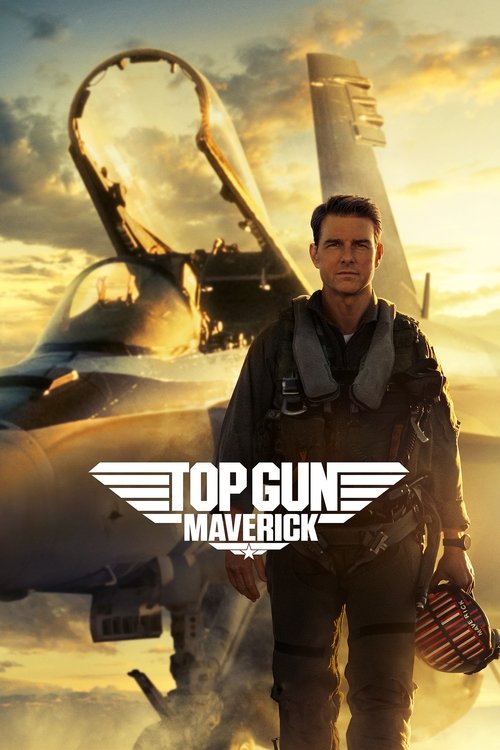
Top Gun: Maverick
2022 · Directed by Joseph Kosinski
Woke Score
CriticCritic Score
Audience
Ultra Based
Critics rated this 63 points above its woke score. Among Ultra Based films, this critic score ranks #407 of 1469.
Representation Casting
Score: 42/100
The film includes Monica Barbaro as a female pilot and Jay Ellis and Lewis Pullman in supporting roles, representing some demographic diversity. However, the casting feels incidental rather than intentional, and the core cast remains dominated by established male stars.
LGBTQ+ Themes
Score: 0/100
There is no LGBTQ+ representation or thematic content in the film. No characters are coded as queer, and no relationships or identities of this nature are explored.
Feminist Agenda
Score: 15/100
Monica Barbaro's character is a capable pilot operating in a male-dominated space, which could be read as feminist by default. However, the narrative does not center on gender dynamics or challenge institutional sexism in any explicit way.
Racial Consciousness
Score: 18/100
The cast includes actors of color in supporting roles, but the film shows no awareness of race as a social category or concern. Racial dynamics are neither explored nor acknowledged in any meaningful way.
Climate Crusade
Score: 0/100
The film contains no environmental themes, climate commentary, or ecological consciousness. The spectacle of military aviation is presented without reference to carbon footprint or environmental impact.
Eat the Rich
Score: 5/100
The film is fundamentally pro-military and pro-institution, celebrating hierarchical structures and state power. There is no critique of capitalism or wealth inequality present in the narrative.
Body Positivity
Score: 5/100
The film celebrates physical fitness and the masculine body as a tool for military excellence. Body positivity as a contemporary progressive value is absent; instead, the film reinforces traditional ideals of physical performance and discipline.
Neurodivergence
Score: 0/100
There is no representation of neurodivergent characters or any thematic engagement with neurodiversity. The film assumes neurotypical functioning as the baseline for its military personnel.
Revisionist History
Score: 10/100
The film presents American military power in largely uncritical terms, though this is more nostalgia than revisionism. The historical context of naval aviation is not interrogated or reinterpreted through a contemporary lens.
Lecture Energy
Score: 15/100
The film occasionally gestures toward thematic depth in its exploration of aging, mentorship, and mortality, but it avoids heavy-handed exposition or moralizing. The tone is more elegiac than preachy.


Synopsis
After more than thirty years of service as one of the Navy's top aviators, and dodging the advancement in rank that would ground him, Pete "Maverick" Mitchell finds himself training a detachment of TOP GUN graduates for a specialized mission the likes of which no living pilot has ever seen.
Consciousness Assessment
Top Gun: Maverick arrives as a monument to the uncomplicated virtues of a bygone era, which is precisely what makes its modest progressive gestures so curious. The film integrates its supporting cast with a light touch, including Monica Barbaro as the only female pilot in the squadron and Jay Ellis and Lewis Pullman as members of the training detachment, their presence normalized rather than telegraphed. One might describe this as representation by default, the contemporary equivalent of simply casting the available talent without ceremony. The film's emotional core remains stubbornly traditional: aging masculinity, mentorship, sacrifice, and the redemptive power of a man proving himself through dangerous work. These are not inherently reactionary themes, but they resist the earnest self-examination that contemporary progressive cinema favors.
The film's relationship to militarism deserves attention, though it operates in a register distinct from social consciousness as typically understood in current discourse. Here we have a celebration of American naval superiority and the warrior ethos, presented without irony or qualification. The adversary remains nameless and faceless, a geopolitical abstraction, which allows the film to function as pure spectacle and character study rather than a meditation on the costs of military intervention. This is not "woke" by any coherent definition, nor is it meaningfully "anti-woke." It simply declines the conversation altogether, preferring to exist in a space where such debates have not yet arrived.
What emerges is a film content with its own values, neither defensive nor aggressive about them. The cinematography glories in the masculine body in motion, the aerial sequences shot with the precision of liturgical documentation. Maverick himself is presented as a man learning to accept limitation and mortality, a surprisingly tender arc buried beneath the roar of jet engines. The film succeeds precisely because it knows what it is: a late-career victory lap for Tom Cruise, a technical showcase, and a nostalgic object for audiences who remember when action cinema did not feel compelled to justify itself through cultural commentary.
Analysis generated by our Consciousness Algorithm
Critic Reviews
“As much as “Top Gun: Maverick” whips from a technical, visceral, thrill-making, supersonic-level, the entire endeavor and every little moment of introspection, suffering and determination is all the more accentuated, strengthened and fist-pumpingly good because you care so damn much about the story, the people and their very human concerns.”
“Thrilling, moving and gloriously Cruisey, Joseph Kosinski's sequel to the 1986 hit is unquestionably the best studio action film in years.”
“When talking about Top Gun: Maverick, it’s hard not to sound hyperbolic, but this is the rare case where it absolutely deserves all the massive praise. Top Gun: Maverick improves upon the original in every conceivable way (well, the soundtrack doesn’t have Berlin, so that’s one strike against it), and does so in a way that might make this one of the greatest sequels ever made. It’s also hard not to say this might have some of the most exciting action scenes to ever hit the skies, and gives Cruise one of his best performances by returning to the role that made him a star. Top Gun: Maverick is a marvel of a film, one that will truly take your breath away.”
“Top Gun: Maverick is not a dislikable movie, by any means: The cast is charming, the military stuff is convincing, the action sequences are, as intended, pretty astounding: In the proper theater (I saw it in IMAX) it will be a physical experience, literally, one that may lead to armrests being shredded by white-knuckling audiences in cinemas all over the world. But it’s also a little depressing, because of where it says movies are going, what it says about the lack of creativity making its way on screen, and what a precarious balance movie theaters are in.”
Consciousness Markers
The film includes Monica Barbaro as a female pilot and Jay Ellis and Lewis Pullman in supporting roles, representing some demographic diversity. However, the casting feels incidental rather than intentional, and the core cast remains dominated by established male stars.
There is no LGBTQ+ representation or thematic content in the film. No characters are coded as queer, and no relationships or identities of this nature are explored.
Monica Barbaro's character is a capable pilot operating in a male-dominated space, which could be read as feminist by default. However, the narrative does not center on gender dynamics or challenge institutional sexism in any explicit way.
The cast includes actors of color in supporting roles, but the film shows no awareness of race as a social category or concern. Racial dynamics are neither explored nor acknowledged in any meaningful way.
The film contains no environmental themes, climate commentary, or ecological consciousness. The spectacle of military aviation is presented without reference to carbon footprint or environmental impact.
The film is fundamentally pro-military and pro-institution, celebrating hierarchical structures and state power. There is no critique of capitalism or wealth inequality present in the narrative.
The film celebrates physical fitness and the masculine body as a tool for military excellence. Body positivity as a contemporary progressive value is absent; instead, the film reinforces traditional ideals of physical performance and discipline.
There is no representation of neurodivergent characters or any thematic engagement with neurodiversity. The film assumes neurotypical functioning as the baseline for its military personnel.
The film presents American military power in largely uncritical terms, though this is more nostalgia than revisionism. The historical context of naval aviation is not interrogated or reinterpreted through a contemporary lens.
The film occasionally gestures toward thematic depth in its exploration of aging, mentorship, and mortality, but it avoids heavy-handed exposition or moralizing. The tone is more elegiac than preachy.