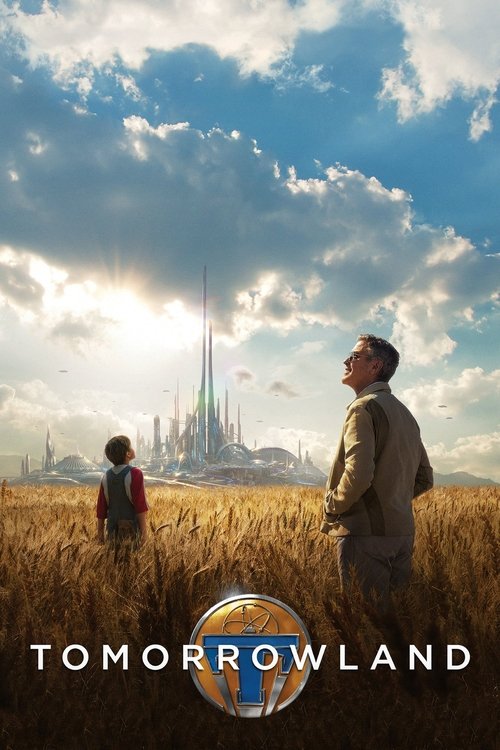
Tomorrowland
2015 · Directed by Brad Bird
Woke Score
CriticCritic Score
Audience
Based
Critics rated this 25 points above its woke score. Among Based films, this critic score ranks #241 of 345.
Representation Casting
Score: 35/100
The cast includes performers of various backgrounds including Britt Robertson as the lead and supporting actors from diverse backgrounds, though this diversity appears incidental to the narrative rather than deliberately highlighted.
LGBTQ+ Themes
Score: 0/100
No LGBTQ+ themes, representation, or subtext are present in the film.
Feminist Agenda
Score: 25/100
The protagonist is a young woman interested in science, but the film does not engage with feminist themes or critique gender dynamics; her characterization as curious and capable is presented as individual trait rather than as commentary on gender.
Racial Consciousness
Score: 15/100
While the cast includes actors of color, there is no explicit engagement with racial themes or consciousness; they are present in roles that do not address or highlight racial dimensions.
Climate Crusade
Score: 40/100
Environmental destruction and climate concern appear as plot elements, but the film presents technological solutions and individual optimism rather than systemic change or policy critique.
Eat the Rich
Score: 5/100
The film celebrates innovation and technological progress without critique of capitalism or corporate structures; if anything, it suggests that technological advancement is the solution to human problems.
Body Positivity
Score: 0/100
No body positivity themes, discussion of body diversity, or related representation are present in the film.
Neurodivergence
Score: 0/100
No representation of or engagement with neurodivergence appears in the film.
Revisionist History
Score: 0/100
The film does not engage in revisionist history or reexamination of historical narratives.
Lecture Energy
Score: 45/100
The film contains significant expository dialogue about the nature of human potential, the importance of optimism, and the dangers of cynicism, delivered with the weight of philosophical instruction.


Synopsis
Bound by a shared destiny, a bright, optimistic teen bursting with scientific curiosity and a former boy-genius inventor jaded by disillusionment embark on a danger-filled mission to unearth the secrets of an enigmatic place somewhere in time and space that exists in their collective memory as "Tomorrowland."
Consciousness Assessment
Tomorrowland presents itself as a paean to human optimism and technological progress, a film that believes in the power of positive thinking to overcome existential challenges. The narrative pits a young woman of scientific inclination against a world of doom-saying and environmental collapse, though the film's treatment of these themes remains apolitical. Brad Bird's film is far more interested in celebrating the power of individual innovation and visionary thinking than in engaging with the structural nature of the problems it depicts. The diverse casting, while present, functions as window dressing rather than as a deliberate statement about representation.
The film's engagement with progressive sensibilities is minimal and largely incidental. Environmental destruction appears as a plot device rather than as a call to systemic change, and the solution presented involves neither collective action nor institutional reform but rather the triumph of individual genius and belief. There is no examination of power structures, no critique of corporate malfeasance, no suggestion that the problem lies anywhere but in humanity's collective loss of faith. This is optimism divorced from political consciousness, a belief that things will improve through innovation and determination rather than through any recognizable form of social transformation.
The cast includes performers from underrepresented backgrounds, but their presence exists within a narrative framework that treats social consciousness as peripheral. Tomorrowland is ultimately a film about the redemptive power of hope and imagination, qualities we might all appreciate, but it achieves this without engaging in the specific cultural markers of contemporary progressive sensibility. It is a film that believes in a better future, but it does not particularly care to interrogate how we get there or who bears responsibility for the present.
Analysis generated by our Consciousness Algorithm
Critic Reviews
“All hands on both sides of the camera do outstanding work. Clooney seems to be enjoying himself thoroughly as the old grump whose creative flame hasn’t been entirely extinguished, but it falls more to Robertson to carry the film, which she does with great energy and appeal.”
“Bird layers on plenty of dazzle... But his heart is what keeps the story motoring and the ending is perfectly engineered, including a coda that encourages all of us to try harder.”
“Bird has crafted a gorgeous world rife with creativity and inventive images. A Spielbergian sense of candid awe and wonder permeates each scene with a nostalgic edge.”
“Disney’s gimmick of naming movies for its theme-park attractions crashes and burns in Tomorrowland, a here-and-now caper that will confuse children, bore adults and offend anyone who’s ever taken a science class.”
Consciousness Markers
The cast includes performers of various backgrounds including Britt Robertson as the lead and supporting actors from diverse backgrounds, though this diversity appears incidental to the narrative rather than deliberately highlighted.
No LGBTQ+ themes, representation, or subtext are present in the film.
The protagonist is a young woman interested in science, but the film does not engage with feminist themes or critique gender dynamics; her characterization as curious and capable is presented as individual trait rather than as commentary on gender.
While the cast includes actors of color, there is no explicit engagement with racial themes or consciousness; they are present in roles that do not address or highlight racial dimensions.
Environmental destruction and climate concern appear as plot elements, but the film presents technological solutions and individual optimism rather than systemic change or policy critique.
The film celebrates innovation and technological progress without critique of capitalism or corporate structures; if anything, it suggests that technological advancement is the solution to human problems.
No body positivity themes, discussion of body diversity, or related representation are present in the film.
No representation of or engagement with neurodivergence appears in the film.
The film does not engage in revisionist history or reexamination of historical narratives.
The film contains significant expository dialogue about the nature of human potential, the importance of optimism, and the dangers of cynicism, delivered with the weight of philosophical instruction.