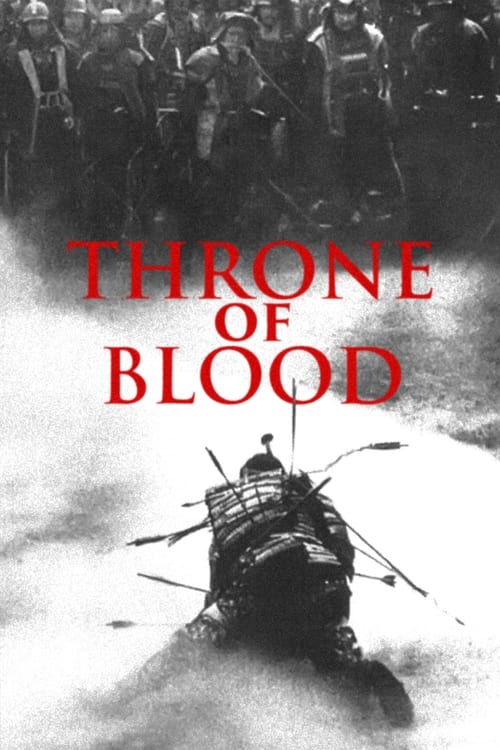
Throne of Blood
1957 · Directed by Akira Kurosawa
Ultra Based
Consciousness Score: 4%
Representation Casting
Score: 0/100
The all-Japanese cast is natural to the feudal Japanese setting. No deliberate modern representation strategy is evident.
LGBTQ+ Themes
Score: 0/100
No LGBTQ+ themes or characters are present in the film.
Feminist Agenda
Score: 15/100
Asaji is a powerful female character who drives significant plot events, but this reflects the source material (Lady Macbeth) rather than modern feminist consciousness or reframing.
Racial Consciousness
Score: 0/100
The film engages authentically with Japanese feudal culture but without modern critical examination of race or ethnicity.
Climate Crusade
Score: 0/100
No climate themes or environmental consciousness are present.
Eat the Rich
Score: 0/100
While ambition and power are central themes, they are not examined through an anti-capitalist or wealth-critical lens.
Body Positivity
Score: 0/100
No body positivity messaging or representation of diverse body types is present.
Neurodivergence
Score: 0/100
No neurodivergent characters or representation are present in the film.
Revisionist History
Score: 0/100
The film adapts Shakespeare to a historical setting but does not revise or reinterpret historical events through a modern critical lens.
Lecture Energy
Score: 0/100
The film tells its story through visual narrative and classical dramatic structure without preachy messaging or explicit social commentary.


Synopsis
Returning to their lord's castle, samurai warriors Washizu and Miki are waylaid by a spirit who predicts their futures. When the first part of the spirit's prophecy comes true, Washizu's scheming wife, Asaji, presses him to speed up the rest of the spirit's prophecy by murdering his lord and usurping his place. Director Akira Kurosawa's resetting of William Shakespeare's "Macbeth" in feudal Japan is one of his most acclaimed films.
Consciousness Assessment
Throne of Blood stands as a masterwork of cinema and a monument to the idea that a text can be transplanted across centuries and continents without losing its power. Kurosawa's 1957 adaptation of Macbeth into feudal Japan demonstrates the universality of Shakespeare's ambition narrative, not through any effort at cultural commentary but through pure filmmaking craft. The film is genuinely great. It is also, by modern standards, entirely innocent of progressive social consciousness. Asaji, played with terrifying composure by Isuzu Yamada, is a formidable character who manipulates her husband toward murder and power. She is also simply Lady Macbeth, a character conceived in 1606, translated faithfully through centuries and across oceans. Her agency and intelligence reflect the source material, not a deliberate project of representation or feminist reframing. The samurai warriors, the spirit prophecies, the fog-laden castle, the arrows that fell like rain: these are the concerns of the film. No modern cultural anxieties are being processed here. The violence is ritualistic and tragic, not a statement about systemic oppression. The ambition that destroys Washizu is a universal human failing, not capitalism or patriarchy made visible. To score this film high on markers of contemporary social consciousness would be to confuse the excellence of the work with the application of a framework that did not exist when it was made, and more importantly, was not its purpose.
Analysis generated by our Consciousness Algorithm
Consciousness Markers
The all-Japanese cast is natural to the feudal Japanese setting. No deliberate modern representation strategy is evident.
No LGBTQ+ themes or characters are present in the film.
Asaji is a powerful female character who drives significant plot events, but this reflects the source material (Lady Macbeth) rather than modern feminist consciousness or reframing.
The film engages authentically with Japanese feudal culture but without modern critical examination of race or ethnicity.
No climate themes or environmental consciousness are present.
While ambition and power are central themes, they are not examined through an anti-capitalist or wealth-critical lens.
No body positivity messaging or representation of diverse body types is present.
No neurodivergent characters or representation are present in the film.
The film adapts Shakespeare to a historical setting but does not revise or reinterpret historical events through a modern critical lens.
The film tells its story through visual narrative and classical dramatic structure without preachy messaging or explicit social commentary.