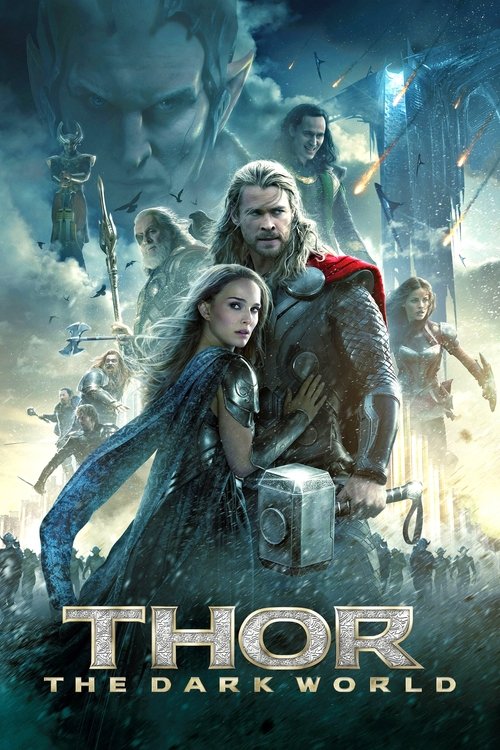
Thor: The Dark World
2013 · Directed by Alan Taylor
Woke Score
CriticCritic Score
Audience
Ultra Based
Critics rated this 46 points above its woke score. Among Ultra Based films, this critic score ranks #1066 of 1469.
Representation Casting
Score: 25/100
The ensemble includes actors of color (Idris Elba, Anthony Hopkins in makeup, Tadanobu Asano), but their casting feels incidental to the narrative rather than intentional representation work.
LGBTQ+ Themes
Score: 0/100
No LGBTQ+ themes, characters, or subtext of any kind. Tom Hiddleston's Loki predates any meaningful queer reading of the character.
Feminist Agenda
Score: 5/100
Natalie Portman's role was severely diminished in editing, leaving her character as a plot device rather than an active protagonist. No feminist agenda is evident.
Racial Consciousness
Score: 10/100
Diverse casting exists but operates within a fantasy context with no commentary on race, identity, or systemic issues. Representation without consciousness.
Climate Crusade
Score: 0/100
A fantasy film set in multiple realms with no environmental commentary or climate-related themes whatsoever.
Eat the Rich
Score: 0/100
No critique of wealth, capitalism, or economic systems. The conflict is purely supernatural and political in a fantasy context.
Body Positivity
Score: 0/100
Standard superhero film aesthetics with no engagement with body diversity, disability representation, or body positivity messaging.
Neurodivergence
Score: 0/100
No neurodivergent characters, representation, or themes related to mental health or cognitive difference.
Revisionist History
Score: 0/100
A fantasy film with no connection to historical events or revisionist historical narratives of any kind.
Lecture Energy
Score: 5/100
The film contains minimal dialogue that could be characterized as preachy or preachy. It prioritizes action over commentary.


Synopsis
Thor fights to restore order across the cosmos… but an ancient race led by the vengeful Malekith returns to plunge the universe back into darkness. Faced with an enemy that even Odin and Asgard cannot withstand, Thor must embark on his most perilous and personal journey yet, one that will reunite him with Jane Foster and force him to sacrifice everything to save us all.
Consciousness Assessment
Thor: The Dark World is a 2013 blockbuster that, by contemporary progressive standards, barely registers on the cultural consciousness spectrum. It's a straightforward fantasy action film with minimal engagement with modern social sensibilities. The film features a diverse ensemble cast, but their inclusion feels largely incidental to the narrative rather than intentional representation. Natalie Portman's role was notoriously diminished in the final edit, reducing her agency and screen time to near-invisibility, which speaks volumes about the film's priorities in 2013. The narrative concerns itself entirely with magical conflicts and cosmic warfare, with no meaningful engagement with LGBTQ+ themes, climate commentary, anti-capitalist critique, neurodivergence, or body positivity. Malekith's villainy is rooted in generic dark elf lore rather than any sociopolitical commentary. There is no revisionist history to speak of, no lecture energy about social issues, and no discernible feminist agenda despite the presence of an Oscar-winning actress in the lead role. The film is, in essence, a studio product designed to entertain without offending or challenging anyone's worldview, which is precisely the point. It exists in a pre-woke Marvel universe where representation was accidental and social consciousness was something that happened to other movies.
Analysis generated by our Consciousness Algorithm
Critic Reviews
“The big battle in Thor: The Dark World is one of Marvel’s more genuinely rousing sequences. Once this movie gets warmed up, it’s warm through and through.”
“For a movie that has dark in its title, and which is — yes! — darker (people die, Asgard is grimier, as befitting Alan Taylor’s Game Of Thrones heritage), Thor 2.0 is consistently amusing.”
“Marvel’s man with the mallet does all that’s required of him in a breakneck sequel that’s never dark for long. Next time, though, we’ll have more Loki and fewer elves.”
“The battle scenes are as lacking in heat and coherence as the central love story.”
Consciousness Markers
The ensemble includes actors of color (Idris Elba, Anthony Hopkins in makeup, Tadanobu Asano), but their casting feels incidental to the narrative rather than intentional representation work.
No LGBTQ+ themes, characters, or subtext of any kind. Tom Hiddleston's Loki predates any meaningful queer reading of the character.
Natalie Portman's role was severely diminished in editing, leaving her character as a plot device rather than an active protagonist. No feminist agenda is evident.
Diverse casting exists but operates within a fantasy context with no commentary on race, identity, or systemic issues. Representation without consciousness.
A fantasy film set in multiple realms with no environmental commentary or climate-related themes whatsoever.
No critique of wealth, capitalism, or economic systems. The conflict is purely supernatural and political in a fantasy context.
Standard superhero film aesthetics with no engagement with body diversity, disability representation, or body positivity messaging.
No neurodivergent characters, representation, or themes related to mental health or cognitive difference.
A fantasy film with no connection to historical events or revisionist historical narratives of any kind.
The film contains minimal dialogue that could be characterized as preachy or preachy. It prioritizes action over commentary.