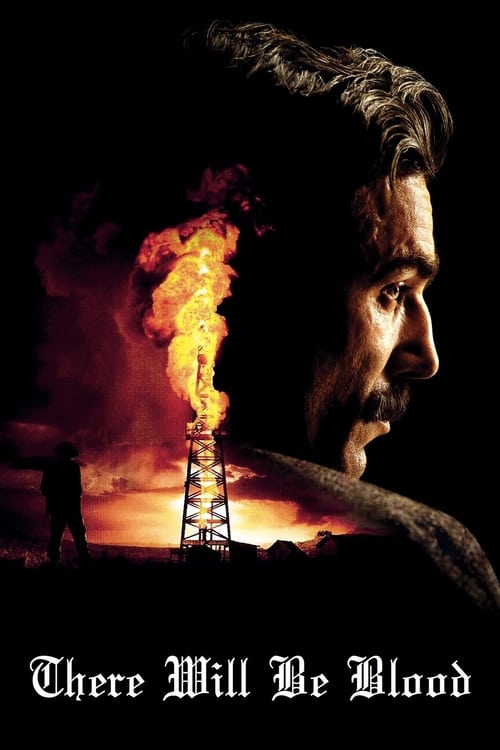
There Will Be Blood
2007 · Directed by Paul Thomas Anderson
Woke Score
Critic Score
Audience
Based
Critics rated this 75 points above its woke score. Among Based films, this critic score ranks #23 of 304.
Representation Casting
Score: 0/100
The cast reflects the historical period authentically with primarily white male characters in positions of power. No deliberate diversification or contemporary representation efforts are evident.
LGBTQ+ Themes
Score: 0/100
No LGBTQ+ themes, characters, or subtext appear in the film.
Feminist Agenda
Score: 0/100
Female characters are peripheral to the narrative and lack agency. No feminist commentary or perspective shapes the storytelling.
Racial Consciousness
Score: 0/100
The film does not engage with racial themes or consciousness despite being set during a period of significant racial inequality in California.
Climate Crusade
Score: 0/100
While depicting oil extraction, the film frames its critique through moral and spiritual concerns rather than environmental or climate consciousness.
Eat the Rich
Score: 65/100
The film presents a powerful critique of industrial capitalism and greed, showing wealth as spiritually corrosive and interpersonally destructive. However, this critique operates within classical literary tradition rather than contemporary progressive frameworks.
Body Positivity
Score: 0/100
No themes related to body positivity, body diversity, or body acceptance are present in the film.
Neurodivergence
Score: 0/100
No representation of or engagement with neurodivergence appears in the narrative.
Revisionist History
Score: 0/100
The film adapts historical material authentically without reframing history through contemporary progressive social justice lenses.
Lecture Energy
Score: 15/100
The film contains some didactic ideological debates between characters, particularly between Plainview and Eli Sunday, but trusts its audience to interpret symbolism and meaning without explicit moral lecturing.


Synopsis
Ruthless silver miner, turned oil prospector, Daniel Plainview, moves to oil-rich California. Using his son to project a trustworthy, family-man image, Plainview cons local landowners into selling him their valuable properties for a pittance. However, local preacher Eli Sunday suspects Plainview's motives and intentions, starting a slow-burning feud that threatens both their lives.
Consciousness Assessment
Paul Thomas Anderson's 2007 masterpiece arrives as a film whose anti-capitalist fervor has aged into something resembling historical inevitability. Daniel Day-Lewis inhabits Daniel Plainview with such total commitment to spiritual emptiness that we watch a man consume himself on the altar of accumulation. The film's critique of capitalism operates at a register of classical American literature, drawing from Sinclair's Oil and the 19th-century tradition of examining the corrupting influence of industrial wealth. Anderson presents greed not as a political position to be debated but as a kind of metaphysical disease, one that hollows out the soul and renders human connection impossible.
What distinguishes this film from contemporary progressive cinema is its refusal to connect its moral critique to the specific identity and representation frameworks that define modern cultural consciousness. The film does not ask us to consider whose voices are excluded from Plainview's world or to celebrate diverse representation as a corrective. Instead, it operates within a more austere philosophical register: capitalism itself is the problem, and the film documents its corrosive effects on individual character and community. The extended confrontations between Plainview and Paul Dano's Eli Sunday function as ideological combat, but neither faith nor commerce emerges victorious. Both are revealed as competing forms of exploitation.
By the standards of 2020s progressive sensibility, this film scores remarkably low despite its serious moral engagement. It is a film about the destructive nature of unchecked greed and industrial extraction, yet it does not connect these themes to climate catastrophe, racial injustice, or calls for systemic reform. It is a period piece that accepts its historical moment without attempting to revise it through contemporary social justice frameworks. This is not a weakness but rather a reflection of when the film was made and what artistic project Anderson undertook. The film remains a towering achievement, even if it operates according to an older grammar of cultural critique.
Analysis generated by our Consciousness Algorithm
Critic Reviews
“There Will Be Blood is ferocious, and it will be championed and attacked with an equal ferocity. When the dust settles, we may look back on it as some kind of obsessed classic.”
“There Will Be Blood is, in fact, not a historical saga; rather, it's an absurdist, blackly comic horror film with a very idiosyncratic satanic figure at its core.”
“Daniel Day-Lewis stuns in Paul Thomas Anderson's saga of a soul-dead oil man.”
“An enthralling and powerfully eccentric American epic.”
“Boldly and magnificently strange, There Will Be Blood marks a significant departure in the work of Paul Thomas Anderson.”
“For a story that's all about the harnessing of fateful chthonic forces, Paul Thomas Anderson has dug deeper than ever before, and struck black gold.”
Consciousness Markers
The cast reflects the historical period authentically with primarily white male characters in positions of power. No deliberate diversification or contemporary representation efforts are evident.
No LGBTQ+ themes, characters, or subtext appear in the film.
Female characters are peripheral to the narrative and lack agency. No feminist commentary or perspective shapes the storytelling.
The film does not engage with racial themes or consciousness despite being set during a period of significant racial inequality in California.
While depicting oil extraction, the film frames its critique through moral and spiritual concerns rather than environmental or climate consciousness.
The film presents a powerful critique of industrial capitalism and greed, showing wealth as spiritually corrosive and interpersonally destructive. However, this critique operates within classical literary tradition rather than contemporary progressive frameworks.
No themes related to body positivity, body diversity, or body acceptance are present in the film.
No representation of or engagement with neurodivergence appears in the narrative.
The film adapts historical material authentically without reframing history through contemporary progressive social justice lenses.
The film contains some didactic ideological debates between characters, particularly between Plainview and Eli Sunday, but trusts its audience to interpret symbolism and meaning without explicit moral lecturing.