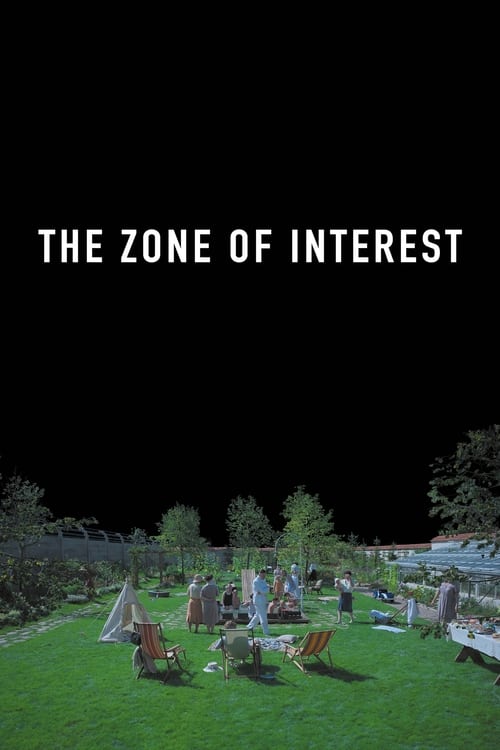
The Zone of Interest
2023 · Directed by Jonathan Glazer
Woke Score
CriticCritic Score
Audience
Ultra Based
Critics rated this 88 points above its woke score. Among Ultra Based films, this critic score ranks #91 of 1469.
Representation Casting
Score: 0/100
The film features German actors in a German-language production set in Nazi Germany, reflecting historical authenticity rather than diversity initiatives. No evidence of contemporary casting choices based on representation principles.
LGBTQ+ Themes
Score: 0/100
The film contains no LGBTQ+ themes, representation, or narrative elements. Sexual orientation is not a factor in the story.
Feminist Agenda
Score: 5/100
Hedwig Höss is a complex female character with agency and interiority, but the film does not frame her complexity through an explicitly feminist lens or contemporary gender consciousness. Her character emerges from the narrative rather than ideological commitment.
Racial Consciousness
Score: 0/100
While the film depicts the Nazi genocide of Jews, it does not approach the subject through a contemporary racial consciousness framework. The horror is treated as historical fact rather than as an occasion for modern social commentary on race.
Climate Crusade
Score: 0/100
There is no climate-related content, themes, or messaging in the film. Environmental concerns are entirely absent from the narrative.
Eat the Rich
Score: 0/100
The film contains no critique of capitalism or 'eat the rich' messaging. Economic systems and class conflict are not thematic concerns.
Body Positivity
Score: 0/100
There is no body positivity messaging or representation in the film. Bodies are presented naturalistically without ideological positioning regarding physical appearance or diversity.
Neurodivergence
Score: 0/100
The film contains no representation of neurodivergent characters or exploration of neurodiversity as a theme.
Revisionist History
Score: 10/100
The film presents the historical facts of Rudolf Höss and Auschwitz without distortion, focusing instead on the phenomenology of complicity. It does not rewrite history to serve contemporary ideological purposes, which is the opposite of revisionist history.
Lecture Energy
Score: 5/100
While the film is formally restrained and resists preachy moralizing, the very subject matter and the director's known artistic philosophy carry an implicit critique. The restraint itself functions as a kind of anti-lecture, which is not quite the same as having no message.


Synopsis
The commandant of Auschwitz, Rudolf Höss, and his wife Hedwig, strive to build a dream life for their family in a house and garden next to the camp.
Consciousness Assessment
Jonathan Glazer's "The Zone of Interest" presents a Holocaust film that operates according to a different aesthetic philosophy than the pedagogical, morally clarifying approach that has become convention in the genre. The film focuses relentlessly on the domestic banality of the Höss family, their quotidian rituals and minor grievances, while the systematic murder of millions occurs audibly but largely invisibly beyond the garden wall. This is a film about what is not shown, what is not explained, what is not performed for moral instruction. It is, in other words, a film deeply skeptical of the impulse to make atrocity legible and comprehensible through conventional narrative and visual representation. The production is ethnically German with a German-language cast, which reflects historical accuracy rather than any particular commitment to contemporary casting representation. There is nothing here that signals deference to progressive sensibilities, nor should there be.
The film's refusal to deliver moral clarity or cultural instruction actually places it in tension with contemporary progressive filmmaking conventions. It does not position its audience as beneficiaries of ethical wisdom. It does not invite self-congratulation through sympathetic identification with victims or moral clarity. The gender dynamics present in the film, particularly Hedwig's agency and complexity as a character, emerge from the narrative logic rather than from any explicit ideological commitment. The film treats its subjects with anthropological distance, neither condemning nor redeeming them through the mechanisms of contemporary social consciousness. Glazer appears interested in the phenomenology of evil as it manifests in the mundane, in the small adjustments and compromises that constitute ordinary life during extraordinary circumstances. This approach is notably resistant to the lecture energy that characterizes much prestige cinema with social themes.
The film's Oscar success reflects critical appreciation for its formal rigor and thematic sophistication, not for any particular alignment with contemporary cultural priorities. It remains stubbornly itself, an examination of complicity and willful ignorance that offers no therapeutic resolution or moral comfort. Its restraint and refusal to instrumentalize the Holocaust for contemporary social messaging is precisely what makes it resistant to the markers being evaluated here.
Analysis generated by our Consciousness Algorithm
Critic Reviews
““To write poetry after Auschwitz is barbaric”, Theodor Adorno famously wrote. Glazer’s film gives us the prosaic instead, refashioning it into the darkest, most vital sort of art it might be possible for us as a species to produce.”
“It’s a shocking piece of audio-visual art that only further cements Glazer as one of the 21st century’s most original and influential filmmakers.”
“At this point it doesn’t seem a stretch to say that Jonathan Glazer is incapable of making a movie that’s anything less than bracingly original.”
“Maybe Glazer’s movie will be of use to people naïve enough to believe that nobody without horns and a pitchfork can be the devil. Everybody else will learn nothing from this film. ”
Consciousness Markers
The film features German actors in a German-language production set in Nazi Germany, reflecting historical authenticity rather than diversity initiatives. No evidence of contemporary casting choices based on representation principles.
The film contains no LGBTQ+ themes, representation, or narrative elements. Sexual orientation is not a factor in the story.
Hedwig Höss is a complex female character with agency and interiority, but the film does not frame her complexity through an explicitly feminist lens or contemporary gender consciousness. Her character emerges from the narrative rather than ideological commitment.
While the film depicts the Nazi genocide of Jews, it does not approach the subject through a contemporary racial consciousness framework. The horror is treated as historical fact rather than as an occasion for modern social commentary on race.
There is no climate-related content, themes, or messaging in the film. Environmental concerns are entirely absent from the narrative.
The film contains no critique of capitalism or 'eat the rich' messaging. Economic systems and class conflict are not thematic concerns.
There is no body positivity messaging or representation in the film. Bodies are presented naturalistically without ideological positioning regarding physical appearance or diversity.
The film contains no representation of neurodivergent characters or exploration of neurodiversity as a theme.
The film presents the historical facts of Rudolf Höss and Auschwitz without distortion, focusing instead on the phenomenology of complicity. It does not rewrite history to serve contemporary ideological purposes, which is the opposite of revisionist history.
While the film is formally restrained and resists preachy moralizing, the very subject matter and the director's known artistic philosophy carry an implicit critique. The restraint itself functions as a kind of anti-lecture, which is not quite the same as having no message.