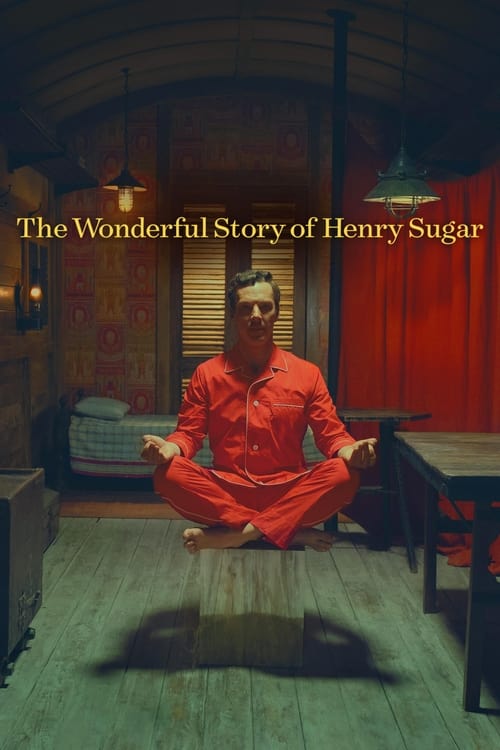
The Wonderful Story of Henry Sugar
2023 · Directed by Wes Anderson
Woke Score
CriticCritic Score
Audience
Ultra Based
Critics rated this 67 points above its woke score. Among Ultra Based films, this critic score ranks #235 of 1469.
Representation Casting
Score: 25/100
Features Dev Patel and Ben Kingsley in significant roles, but their inclusion serves primarily as visual authenticity rather than meaningful representation. South Asian characters function as sources of wisdom for the white protagonist.
LGBTQ+ Themes
Score: 0/100
No LGBTQ+ themes or representation present in the film.
Feminist Agenda
Score: 0/100
The film features an almost entirely male cast and narrative, with female characters appearing only in peripheral roles without agency or development.
Racial Consciousness
Score: 15/100
While featuring South Asian actors, the film perpetuates colonial tropes about mystical Eastern wisdom serving Western desires. India and its people are treated as exotic backdrops rather than as subjects worthy of genuine engagement.
Climate Crusade
Score: 0/100
No climate themes or environmental consciousness present in the film.
Eat the Rich
Score: 10/100
The protagonist is a wealthy man who exploits spiritual knowledge for personal gambling advantage. The film treats this as a whimsical adventure rather than a moral failing, offering no critique of capitalist greed or exploitation.
Body Positivity
Score: 0/100
No body positivity themes or commentary present in the film.
Neurodivergence
Score: 0/100
No representation of or engagement with neurodivergence in the film.
Revisionist History
Score: 0/100
While set partially in India, the film makes no attempt to reframe or reexamine historical narratives or colonial relationships.
Lecture Energy
Score: 35/100
Anderson's stylistic choices and the guru's teachings create moments of preachy instruction, though the film's primary concern is aesthetic rather than pedagogical. The whimsy somewhat masks the underlying instructional tone.


Synopsis
A rich man learns about a guru who can see without using his eyes. He sets out to master the skill in order to cheat at gambling.
Consciousness Assessment
Anderson's adaptation of Roald Dahl's source material arrives as a deliberately stylized fever dream, all saturated colors and symmetrical compositions, which is to say it arrives as an Anderson film. The plot concerns itself with wealth, privilege, and the pursuit of supernatural advantage, themes that could have accommodated a meaningful critique of class and material obsession. Instead, the film treats these elements as aesthetic props, window dressing for its visual conceits. The protagonist remains fundamentally unsympathetic, and the narrative offers no interrogation of his moral failings or the systems that enabled them.
The casting does include Dev Patel and Ben Kingsley, both South Asian actors, in roles connected to the film's India sequences. However, their inclusion functions primarily as visual authenticity rather than as a statement about representation. The guru character, played by Patel, exists largely as a mysterious figure who dispenses wisdom to the wealthy protagonist, a dynamic that recalls colonial-era tropes about mystical Eastern knowledge serving Western desires. The film never interrogates this dynamic or positions its South Asian characters as full agents within their own narrative.
What emerges is a work preoccupied entirely with formal experimentation and whimsical storytelling, indifferent to the ideological dimensions of its material. Anderson's anarchic visual style, combined with his studied disregard for conventional narrative logic, might initially suggest a challenge to established hierarchies. In practice, the film simply substitutes one form of aesthetic control for another, leaving its underlying assumptions about class, power, and exotic otherness entirely untouched. It is a film of considerable style and negligible substance on matters of social consciousness.
Analysis generated by our Consciousness Algorithm
Critic Reviews
“It’s disarming and lovely to see a spiritual growth parable rendered in Anderson’s jewel-box style. His delivery here is not willfully eccentric but gorgeously centered. Form underscores content in "Henry Sugar" in a most delightful way. ”
“[Anderson’s] movies have always proposed — sometimes ingeniously, sometimes exhaustingly, always sincerely — that we might benefit from looking at the world from a fresh vantage. And so it is with The Wonderful Story of Henry Sugar, in which a revolutionary new way of seeing holds the key to an altogether deeper transformation.”
“In the end, both Dahl’s stories and Anderson’s movies require a few common but difficult skill sets of the actors. Wit. Technical precision. Verbal facility. Adroit timing. And some fun, even if it’s tightly prescribed and carefully confined to a certain place in a fastidiously arranged, ever-shifting picture frame.”
“At 37 minutes long, its brevity perhaps exposes or even creates a flimsiness in his signature style that in a longer film would have more space to breathe and parade itself.”
Consciousness Markers
Features Dev Patel and Ben Kingsley in significant roles, but their inclusion serves primarily as visual authenticity rather than meaningful representation. South Asian characters function as sources of wisdom for the white protagonist.
No LGBTQ+ themes or representation present in the film.
The film features an almost entirely male cast and narrative, with female characters appearing only in peripheral roles without agency or development.
While featuring South Asian actors, the film perpetuates colonial tropes about mystical Eastern wisdom serving Western desires. India and its people are treated as exotic backdrops rather than as subjects worthy of genuine engagement.
No climate themes or environmental consciousness present in the film.
The protagonist is a wealthy man who exploits spiritual knowledge for personal gambling advantage. The film treats this as a whimsical adventure rather than a moral failing, offering no critique of capitalist greed or exploitation.
No body positivity themes or commentary present in the film.
No representation of or engagement with neurodivergence in the film.
While set partially in India, the film makes no attempt to reframe or reexamine historical narratives or colonial relationships.
Anderson's stylistic choices and the guru's teachings create moments of preachy instruction, though the film's primary concern is aesthetic rather than pedagogical. The whimsy somewhat masks the underlying instructional tone.