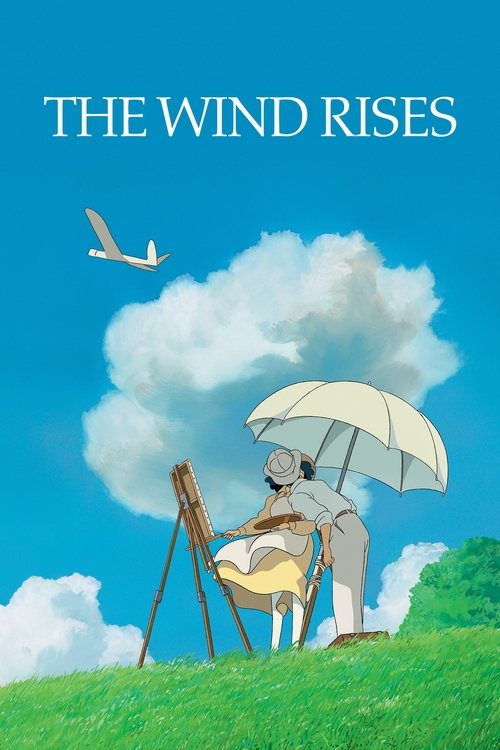
The Wind Rises
2013 · Directed by Hayao Miyazaki
Woke Score
CriticCritic Score
Audience
Ultra Based
Critics rated this 79 points above its woke score. Among Ultra Based films, this critic score ranks #284 of 1469.
Representation Casting
Score: 0/100
The cast reflects the historical setting with no apparent attention to contemporary representation concerns. This is a period piece about Japan in the early 20th century with an all-Japanese cast, which is historically appropriate but contains no progressive casting choices.
LGBTQ+ Themes
Score: 0/100
There are no LGBTQ characters or themes in the film. The narrative focuses exclusively on heterosexual relationships and contains no representation of sexual or gender minorities.
Feminist Agenda
Score: 8/100
Naoko is portrayed as a romantic ideal and emotional support for the male protagonist rather than as a character with agency or her own narrative arc. She embodies a traditional feminine role subordinate to the male lead's ambitions, which conflicts with contemporary feminist sensibilities.
Racial Consciousness
Score: 0/100
The film contains no engagement with racial consciousness, racial justice, or the examination of racial hierarchies. It treats its Japanese historical setting as a neutral backdrop without critical reflection on colonial or imperial contexts.
Climate Crusade
Score: 0/100
There is no engagement with climate themes or environmental consciousness in the film. The narrative does not examine ecological impact or environmental responsibility in relation to industrial development or warfare.
Eat the Rich
Score: 2/100
The film contains mild criticism of industrial capitalism through its depiction of corporate pressures on the engineer, but this is incidental rather than systematic. There is no coherent anti-capitalist argument or examination of economic structures.
Body Positivity
Score: 0/100
Body positivity is not a concern of the film. Characters are drawn with conventional aesthetic ideals appropriate to the animation style, with no deliberate engagement with diverse body representation.
Neurodivergence
Score: 0/100
The film contains no representation of neurodivergent characters or engagement with neurodiversity as a theme. Jiro's obsessive focus on engineering is portrayed as individual genius rather than examined through any lens of neurodivergence.
Revisionist History
Score: 10/100
The film presents a romanticized portrayal of the engineer without critical examination of the historical context of Japanese militarism or the moral implications of creating weapons. It avoids rather than engages with revisionist reconsideration of this history.
Lecture Energy
Score: 0/100
The film does not adopt a preachy or pedagogical tone regarding social issues. It is contemplative and poetic rather than instructional, avoiding explicit messaging about contemporary social concerns.


Synopsis
A lifelong love of flight inspires Japanese aviation engineer Jiro Horikoshi, whose storied career includes the creation of the A-6M World War II fighter plane.
Consciousness Assessment
Miyazaki's final feature film stands as a meditation on artistic obsession and moral complicity, concerns that feel almost quaint in their distance from contemporary social consciousness. The film tracks an engineer's singular devotion to beautiful design while history's machinery grinds toward destruction, a tension the film contemplates with genuine seriousness but minimal contemporary political awareness. Naoko, the female lead, functions primarily as a romantic ideal and emotional anchor for the protagonist's ambitions rather than as a character with her own agency or arc. She exists in the narrative to support Jiro's trajectory, embodying a passive femininity that belonged to neither Miyazaki's earlier works nor to any recognizable progressive sensibility.
The film contains no meaningful engagement with Japan's colonial history, the victims of the weapons Jiro designed, or any systematic examination of power structures beyond the vague suggestion that individuals are caught in historical currents beyond their control. This is a film about the beauty of flight and engineering, not about accountability or the reexamination of received historical narratives. The score derives entirely from the film's period setting and its treatment of female character agency. A 2013 release date provides no excuse for the absence of contemporary cultural awareness in its approach to these materials.
The production design and animation are accomplished, the voice performances capable, and the thematic ambitions sincere. Yet the film operates in a register entirely removed from the social consciousness that defines modern progressive cinema, treating its historical subject as a personal tragedy rather than an opportunity for critical examination.
Analysis generated by our Consciousness Algorithm
Critic Reviews
“Miyazaki is at the peak of his visual craftsmanship here, alternating lush, boldly colored rural vistas with epic, crowded urban canvases, soaring aerial perspectives and test flights both majestic and ill-fated.”
“A very honest film from a great Japanese artist.”
“Even if Hayao Miyazaki's career is complete, a work like this serves to remind us of the shining beacons he's left behind him, the testaments to pursuing beauty in the face of so much ugliness, themselves lasting reminders of the quiet rewards of determination.”
“Does The Wind Rises represent Miyazaki at the top of his game? No, not really. But it could be Miyazaki at the end of the game, and that alone is reason enough to appreciate the film for the things it offers rather than hammer it too hard for the things it lacks.”
Consciousness Markers
The cast reflects the historical setting with no apparent attention to contemporary representation concerns. This is a period piece about Japan in the early 20th century with an all-Japanese cast, which is historically appropriate but contains no progressive casting choices.
There are no LGBTQ characters or themes in the film. The narrative focuses exclusively on heterosexual relationships and contains no representation of sexual or gender minorities.
Naoko is portrayed as a romantic ideal and emotional support for the male protagonist rather than as a character with agency or her own narrative arc. She embodies a traditional feminine role subordinate to the male lead's ambitions, which conflicts with contemporary feminist sensibilities.
The film contains no engagement with racial consciousness, racial justice, or the examination of racial hierarchies. It treats its Japanese historical setting as a neutral backdrop without critical reflection on colonial or imperial contexts.
There is no engagement with climate themes or environmental consciousness in the film. The narrative does not examine ecological impact or environmental responsibility in relation to industrial development or warfare.
The film contains mild criticism of industrial capitalism through its depiction of corporate pressures on the engineer, but this is incidental rather than systematic. There is no coherent anti-capitalist argument or examination of economic structures.
Body positivity is not a concern of the film. Characters are drawn with conventional aesthetic ideals appropriate to the animation style, with no deliberate engagement with diverse body representation.
The film contains no representation of neurodivergent characters or engagement with neurodiversity as a theme. Jiro's obsessive focus on engineering is portrayed as individual genius rather than examined through any lens of neurodivergence.
The film presents a romanticized portrayal of the engineer without critical examination of the historical context of Japanese militarism or the moral implications of creating weapons. It avoids rather than engages with revisionist reconsideration of this history.
The film does not adopt a preachy or pedagogical tone regarding social issues. It is contemplative and poetic rather than instructional, avoiding explicit messaging about contemporary social concerns.