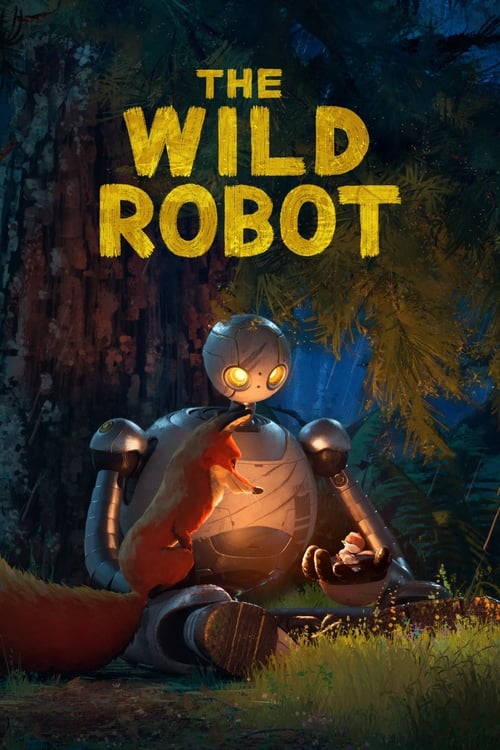
The Wild Robot
2024 · Directed by Chris Sanders
Woke Score
CriticCritic Score
Audience
Based
Critics rated this 63 points above its woke score. Among Based films, this critic score ranks #42 of 345.
Representation Casting
Score: 40/100
Lupita Nyong'o voices the lead character Roz, and the cast includes diverse voice actors, though the animal-focused narrative limits opportunities for human representation discussions.
LGBTQ+ Themes
Score: 0/100
No LGBTQ+ themes, characters, or references appear in this family-oriented animal care narrative.
Feminist Agenda
Score: 35/100
Roz is female-coded and embodies caregiving, though she is also portrayed as capable and is the central agent of the story. The characterization is mixed rather than explicitly feminist.
Racial Consciousness
Score: 0/100
The film is set on an uninhabited island with animals and a robot. There is no racial dimension to the narrative.
Climate Crusade
Score: 15/100
The island setting suggests environmental consciousness, but the story is fundamentally about caregiving and family rather than climate activism or environmental messaging.
Eat the Rich
Score: 0/100
No evidence of anti-capitalist messaging or critique of economic systems in this family film.
Body Positivity
Score: 0/100
The protagonist is a robot, making this marker not applicable to the film's narrative concerns.
Neurodivergence
Score: 0/100
No evidence of neurodivergent representation, characters, or themes in the film.
Revisionist History
Score: 0/100
This is a fictional family film with no historical narrative or revisionist historical elements.
Lecture Energy
Score: 20/100
The film carries themes of care and compassion but does not approach them with heavy-handed preachiness or explicit messaging.


Synopsis
After a shipwreck, an intelligent robot called Roz is stranded on an uninhabited island. To survive the harsh environment, Roz bonds with the island's animals and cares for an orphaned baby goose.
Consciousness Assessment
The Wild Robot presents itself as a meditation on caregiving and cross-species bonds, concerns that sit comfortably outside the framework of contemporary progressive cultural consciousness. The film's narrative centers on Roz, a female-coded robot who discovers purpose in nurturing orphaned animals on an island, a premise that offers little friction with modern sensibilities in either direction. The voice cast includes Lupita Nyong'o in the lead role, a decision that carries demographic weight without substantially altering the film's thematic architecture. What emerges is a story fundamentally concerned with love, responsibility, and adaptation rather than with the specific social justice frameworks that define current cultural discourse. The film operates in a register of gentle humanism, more interested in the bonds between beings than in interrogating systems of power or inequality. One might observe that the absence of explicit social commentary is itself a choice, though perhaps not a calculated one. The Wild Robot is content to be a family film about a robot learning to be a parent, a premise so straightforward that it resists the kind of ideological scrutiny this exercise demands. Its modest engagement with progressive sensibilities appears accidental rather than purposeful, the product of casting decisions and character design rather than thematic commitment.
Analysis generated by our Consciousness Algorithm
Critic Reviews
“Sanders' ability to interpret the material on the page and turn it into this living painting of a film is nothing shy of a wonder.”
“Like the book, Chris Sanders’ onscreen adaptation is compassionate, funny and filled with unexpectedly poignant moments.”
“Is this the best animated movie of the year? Totally, so far. It might even be the best movie of the year. ”
“This denial of nature is more banal than inspiring. The robot may grow a heart but the movie feels strictly mechanical.”
Consciousness Markers
Lupita Nyong'o voices the lead character Roz, and the cast includes diverse voice actors, though the animal-focused narrative limits opportunities for human representation discussions.
No LGBTQ+ themes, characters, or references appear in this family-oriented animal care narrative.
Roz is female-coded and embodies caregiving, though she is also portrayed as capable and is the central agent of the story. The characterization is mixed rather than explicitly feminist.
The film is set on an uninhabited island with animals and a robot. There is no racial dimension to the narrative.
The island setting suggests environmental consciousness, but the story is fundamentally about caregiving and family rather than climate activism or environmental messaging.
No evidence of anti-capitalist messaging or critique of economic systems in this family film.
The protagonist is a robot, making this marker not applicable to the film's narrative concerns.
No evidence of neurodivergent representation, characters, or themes in the film.
This is a fictional family film with no historical narrative or revisionist historical elements.
The film carries themes of care and compassion but does not approach them with heavy-handed preachiness or explicit messaging.