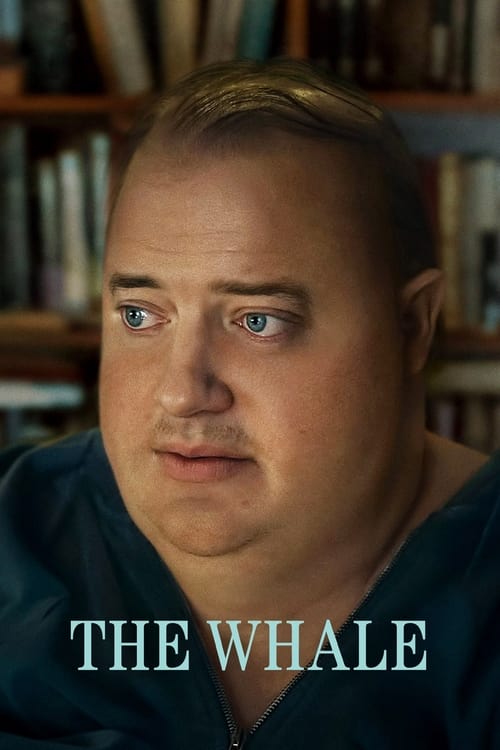
The Whale
2022 · Directed by Darren Aronofsky
Woke Score
CriticCritic Score
Audience
Ultra Based
Critics rated this 46 points above its woke score. Among Ultra Based films, this critic score ranks #786 of 1469.
Representation Casting
Score: 15/100
The cast includes Hong Chau and Sadie Sink, providing demographic diversity, but this representation exists within a conventional dramatic structure with no apparent consciousness of systemic representation.
LGBTQ+ Themes
Score: 0/100
No LGBTQ+ themes, characters, or messaging present in the film.
Feminist Agenda
Score: 20/100
The daughter character exists but is not presented through an explicitly feminist lens. The narrative centers on the father's redemption arc rather than feminist consciousness.
Racial Consciousness
Score: 5/100
Minimal racial consciousness. Hong Chau's character is present but race is not a thematic concern of the film's narrative.
Climate Crusade
Score: 0/100
No climate themes, messaging, or environmental consciousness present in the film.
Eat the Rich
Score: 0/100
No anti-capitalist messaging or systemic critique. The film focuses on personal redemption rather than economic systems.
Body Positivity
Score: 25/100
The film depicts obesity with empathy but frames it explicitly as self-destruction and pathology, contradicting modern body positivity sensibilities and triggering criticism from fat acceptance advocates.
Neurodivergence
Score: 0/100
No neurodivergence representation or themes present in the film.
Revisionist History
Score: 0/100
Not applicable to this contemporary psychological drama set in the present day.
Lecture Energy
Score: 35/100
The film carries moral weight and thematic messaging about redemption and human connection, but it emphasizes emotional claustrophobia over preachy social commentary.


Synopsis
A reclusive English teacher suffering from severe obesity attempts to reconnect with his estranged teenage daughter for one last chance at redemption.
Consciousness Assessment
Darren Aronofsky's "The Whale" presents a curious case of a film that generates controversy about progressive values while operating outside most contemporary cultural consciousness markers. The narrative concerns itself with empathy, human dignity, and the possibility of redemption, which are admirable moral foundations, but these humanist concerns predate modern social justice frameworks by centuries. Brendan Fraser's central performance, wrapped in prosthetics that triggered considerable debate about body representation, demonstrates the film's alignment with conventional dramatic sympathy rather than modern body positivity sensibilities. The film frames obesity not as a neutral characteristic but as a form of self-destruction, a distinction that separates it sharply from progressive body advocacy.
The supporting cast includes Hong Chau and Sadie Sink, providing demographic diversity, though neither representation is deployed with any apparent consciousness of systemic inequality or identity politics. The film operates within a deliberately claustrophobic, intimate register where social systems and structures barely intrude. The narrative's focus remains on individual moral reckoning instead of collective cultural awareness. The writing, adapted from Samuel D. Hunter's play, prioritizes psychological depth over thematic messaging about society's structural failures.
The film's Oscar recognition, including Fraser's Best Actor win, reflects institutional validation of its emotional authenticity instead of any progressive cultural positioning. One encounters here a drama that earned respect for its craft and sincerity, not for any contribution to contemporary social consciousness. It remains a work of conventional humanism dressed in the formal language of prestige cinema, a film that assumes the audience already possesses moral clarity and merely needs emotional demonstration of its necessity.
Analysis generated by our Consciousness Algorithm
Critic Reviews
“The Whale is a thoughtful, philosophical, political and ultimately sad documentary that ponders the impulses behind, and advisability of, intense interaction between human beings and another smart species.”
“When a baby orca strayed from its family pod near Puget Sound and showed up 200 miles away in Canada in 2001, it became the center of a long-running human drama by turns cute, inspirational, ludicrous and tragic, as documented in The Whale. ”
“Thoughtful and moving, if often heavy-handed, The Whale follows the remarkable story of Luna and will appeal to animal lovers of all ages.”
“Parents should know that the ending makes the last moments of this family-friendly documentary as tough as "Bambi." But the lessons about friendship are gigantic, indeed. ”
Consciousness Markers
The cast includes Hong Chau and Sadie Sink, providing demographic diversity, but this representation exists within a conventional dramatic structure with no apparent consciousness of systemic representation.
No LGBTQ+ themes, characters, or messaging present in the film.
The daughter character exists but is not presented through an explicitly feminist lens. The narrative centers on the father's redemption arc rather than feminist consciousness.
Minimal racial consciousness. Hong Chau's character is present but race is not a thematic concern of the film's narrative.
No climate themes, messaging, or environmental consciousness present in the film.
No anti-capitalist messaging or systemic critique. The film focuses on personal redemption rather than economic systems.
The film depicts obesity with empathy but frames it explicitly as self-destruction and pathology, contradicting modern body positivity sensibilities and triggering criticism from fat acceptance advocates.
No neurodivergence representation or themes present in the film.
Not applicable to this contemporary psychological drama set in the present day.
The film carries moral weight and thematic messaging about redemption and human connection, but it emphasizes emotional claustrophobia over preachy social commentary.