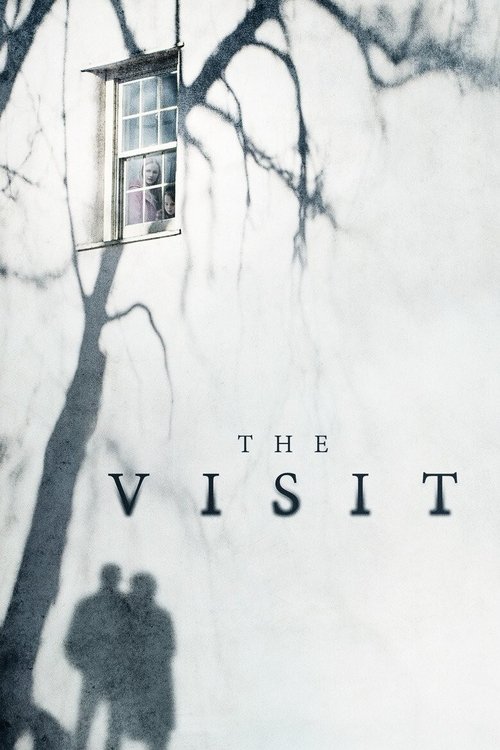
The Visit
2015 · Directed by M. Night Shyamalan
Woke Score
CriticCritic Score
Ultra Based
Critics rated this 52 points above its woke score. Among Ultra Based films, this critic score ranks #902 of 1469.
Representation Casting
Score: 20/100
The cast includes biracial protagonists and a diverse family, but this representation exists naturally within the narrative without thematic commentary or foregrounding.
LGBTQ+ Themes
Score: 0/100
No LGBTQ+ representation or themes present in the film.
Feminist Agenda
Score: 15/100
One protagonist is female and capable, but the film does not engage with feminist themes or gender commentary.
Racial Consciousness
Score: 10/100
The family has racial diversity, but the film makes no explicit commentary on race, racism, or racial identity.
Climate Crusade
Score: 0/100
No environmental themes or climate messaging present in the narrative.
Eat the Rich
Score: 0/100
No class commentary, critique of wealth, or anti-capitalist messaging evident in the film.
Body Positivity
Score: 5/100
The film deals with aging and bodily deterioration, but frames these as horrific rather than as opportunities for body acceptance or progressive representation.
Neurodivergence
Score: 35/100
Dementia and mental illness are central to the narrative through the sundowning syndrome plot device, but the portrayal is horror-focused rather than neurodiversity-affirming.
Revisionist History
Score: 0/100
No historical revisionism or reframing of historical events present in the film.
Lecture Energy
Score: 5/100
The film relies on tension and atmosphere rather than preachy exposition or lectures about its themes.


Synopsis
A brother and sister are sent to their grandparents' remote Pennsylvania farm for a week, where they discover that the elderly couple is involved in something deeply disturbing.
Consciousness Assessment
The Visit is a found-footage horror film that concerns itself primarily with the uncanny and the frightening rather than with progressive messaging. The narrative follows two siblings visiting estranged grandparents whose behavior becomes increasingly disturbing, a setup that allows Shyamalan to explore themes of aging, dementia, and family trauma. The film's racial and gender diversity exists as natural casting choices within the genre framework, not as deliberate statements about representation.
The film's engagement with bodily horror and mental illness is horror-oriented rather than consciousness-raising. The portrayal of sundowning and cognitive decline serves the genre's need for escalating dread; it does not position these conditions as worthy of affirmation or progressive reframing. The female protagonist acquits herself competently, but the film makes no thematic investment in gender politics. Similarly, the biracial composition of the family is presented without commentary or foregrounding.
The film is apolitical in its approach to its subject matter. It contains no preachy lectures, no explicit social justice framework, and no attempt to use horror as a vehicle for progressive consciousness. This represents a profound lack of engagement with contemporary sensibilities rather than an active rejection of them.
Analysis generated by our Consciousness Algorithm
Critic Reviews
“This is a film that stays with you long after the lights have gone up.”
“Performances that are natural yet weighted with history and frequently heart-wrenching.”
“The result is so overloaded with extra characters, tangled story lines, dance numbers, fantasies and flashbacks that the once-simple plot feels puffed-up and irritatingly self-important.”
Consciousness Markers
The cast includes biracial protagonists and a diverse family, but this representation exists naturally within the narrative without thematic commentary or foregrounding.
No LGBTQ+ representation or themes present in the film.
One protagonist is female and capable, but the film does not engage with feminist themes or gender commentary.
The family has racial diversity, but the film makes no explicit commentary on race, racism, or racial identity.
No environmental themes or climate messaging present in the narrative.
No class commentary, critique of wealth, or anti-capitalist messaging evident in the film.
The film deals with aging and bodily deterioration, but frames these as horrific rather than as opportunities for body acceptance or progressive representation.
Dementia and mental illness are central to the narrative through the sundowning syndrome plot device, but the portrayal is horror-focused rather than neurodiversity-affirming.
No historical revisionism or reframing of historical events present in the film.
The film relies on tension and atmosphere rather than preachy exposition or lectures about its themes.