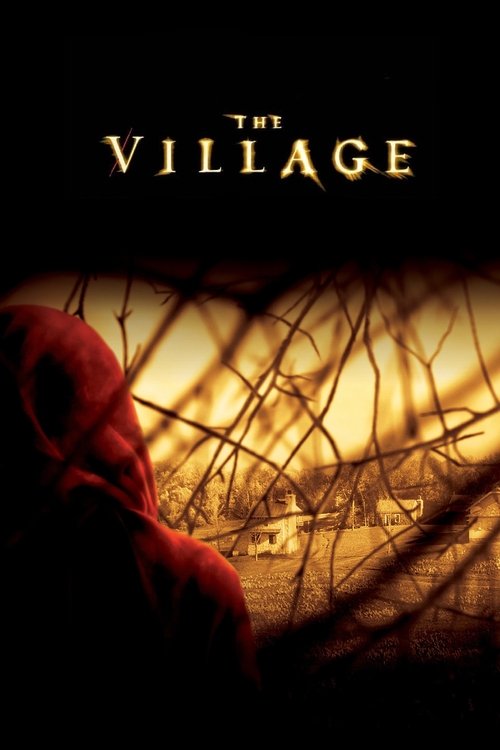
The Village
2004 · Directed by M. Night Shyamalan
Woke Score
CriticCritic Score
Audience
Ultra Based
Critics rated this 36 points above its woke score. Among Ultra Based films, this critic score ranks #1286 of 1469.
Representation Casting
Score: 35/100
Bryce Dallas Howard's portrayal of blind protagonist Ivy Walker demonstrates thoughtful character work, but the casting of a sighted actress in a blind role raises contemporary representation concerns about authentic disability casting.
LGBTQ+ Themes
Score: 0/100
No LGBTQ+ themes, characters, or representation present in the film.
Feminist Agenda
Score: 15/100
Ivy Walker is a capable female protagonist with agency, but the film does not engage with feminist ideology or contemporary gender consciousness. Her role is primarily romantic and moral rather than ideological.
Racial Consciousness
Score: 0/100
The film contains no engagement with racial consciousness, racial justice, or representation of diverse racial backgrounds in any meaningful way.
Climate Crusade
Score: 0/100
No climate-related themes or environmental activism present in the film.
Eat the Rich
Score: 0/100
While the film depicts a community structured by hierarchical control, it does not engage with anti-capitalist ideology or critique of economic systems.
Body Positivity
Score: 0/100
No body positivity themes or commentary on body diversity present in the film.
Neurodivergence
Score: 20/100
A character with apparent developmental disability (Noah Percy) is depicted, but he is portrayed as a threat and villain, reinforcing harmful stereotypes rather than celebrating neurodivergence.
Revisionist History
Score: 0/100
The film's twist reveals a contemporary setting masquerading as historical, but this is a narrative device rather than revisionist historical consciousness or reframing of historical events.
Lecture Energy
Score: 5/100
The film contains minor philosophical exposition about fear and control, but stops well short of preachy preaching. The storytelling remains primarily atmospheric and narrative-driven.


Synopsis
When a willful young man tries to venture beyond his sequestered Pennsylvania hamlet, his actions set off a chain of chilling incidents that will alter the community forever.
Consciousness Assessment
M. Night Shyamalan's "The Village" arrives from an era when cinema had not yet learned to genuflect before the altar of contemporary social consciousness. The film concerns itself with timeless philosophical anxieties: the architecture of fear, the seduction of manufactured innocence, the hierarchical machinery of control. These are substantial preoccupations, but they do not constitute the specific cultural markers we now associate with progressive sensibilities in their 2020s configuration.
The film does contain one element of modern progressive framing: Bryce Dallas Howard's portrayal of Ivy Walker, a blind protagonist who serves as the moral center of the narrative. Howard's performance demonstrates genuine thoughtfulness in how blindness is rendered cinematically, avoiding melodrama or victimization. The character's disability does not define her limitations but rather her unique perspective. However, the casting of a sighted actress in this role would, by contemporary standards, represent a missed opportunity for authentic representation. The film's treatment of Adrien Brody's character, a man with apparent developmental disability, veers into more troubling territory, positioning him as a jealous threat whose difference marks him as dangerous.
What emerges from this 2004 artifact is a film fundamentally concerned with other matters entirely. The social anxiety it expresses concerns the manipulation of collective consciousness, the performance of morality, and the price of enforced ignorance. These are worthy themes, but they operate orthogonal to the specific cultural anxieties that would come to dominate cinema two decades later. The film remains a curio of pre-woke cinema, technically competent and thematically coherent, yet innocent of the particular sensibilities that would eventually remake the medium.
Analysis generated by our Consciousness Algorithm
Critic Reviews
“Made with such elegance, atmosphere and wonderfully mannered performances it will nestle deep inside your head, refusing to budge. The more you ponder it, the better it becomes. ”
“A third-generation performer, this daughter of actor-director Ron Howard makes a stunning feature debut.”
“The Village, even when its step falters, is on to something more provocative than seeing dead people. Its power, unrelated to digital monsters, comes from the tension building inside the characters.”
“It's bad enough to make parable a four-letter word.”
Consciousness Markers
Bryce Dallas Howard's portrayal of blind protagonist Ivy Walker demonstrates thoughtful character work, but the casting of a sighted actress in a blind role raises contemporary representation concerns about authentic disability casting.
No LGBTQ+ themes, characters, or representation present in the film.
Ivy Walker is a capable female protagonist with agency, but the film does not engage with feminist ideology or contemporary gender consciousness. Her role is primarily romantic and moral rather than ideological.
The film contains no engagement with racial consciousness, racial justice, or representation of diverse racial backgrounds in any meaningful way.
No climate-related themes or environmental activism present in the film.
While the film depicts a community structured by hierarchical control, it does not engage with anti-capitalist ideology or critique of economic systems.
No body positivity themes or commentary on body diversity present in the film.
A character with apparent developmental disability (Noah Percy) is depicted, but he is portrayed as a threat and villain, reinforcing harmful stereotypes rather than celebrating neurodivergence.
The film's twist reveals a contemporary setting masquerading as historical, but this is a narrative device rather than revisionist historical consciousness or reframing of historical events.
The film contains minor philosophical exposition about fear and control, but stops well short of preachy preaching. The storytelling remains primarily atmospheric and narrative-driven.