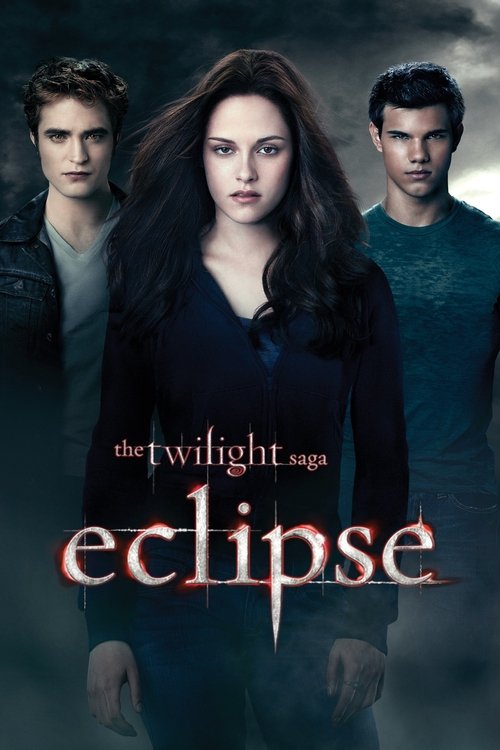
The Twilight Saga: Eclipse
2010 · Directed by David Slade
Woke Score
CriticCritic Score
Audience
Ultra Based
Critics rated this 54 points above its woke score. Among Ultra Based films, this critic score ranks #960 of 1469.
Representation Casting
Score: 15/100
The cast is predominantly white with limited diversity in meaningful roles. Native American characters exist in the narrative but lack substantive development beyond plot mechanics.
LGBTQ+ Themes
Score: 0/100
The film contains no LGBTQ themes, representation, or discourse of any kind. Heterosexual romance forms the sole narrative focus.
Feminist Agenda
Score: 8/100
Bella Swan remains passive throughout, existing primarily as the object of male desire and conflict. The film does not frame this as problematic nor attempt to reposition her agency.
Racial Consciousness
Score: 5/100
While the film includes Native American characters, it demonstrates no self-aware engagement with representation or historical context. Indigenous characters function as plot devices.
Climate Crusade
Score: 0/100
Climate themes are entirely absent from the narrative, which focuses on supernatural romance and conflict.
Eat the Rich
Score: 0/100
The film contains no anti-capitalist messaging or critique of economic systems. Wealth is presented as a neutral aspect of the vampire characters' existence.
Body Positivity
Score: 5/100
While the film does not actively mock non-conventional bodies, it emphasizes physical beauty and romantic desirability in conventional ways without interrogating those standards.
Neurodivergence
Score: 0/100
No neurodivergent characters or themes appear in the film. Neurodiversity is not addressed in any form.
Revisionist History
Score: 8/100
The film employs a fictionalized version of Quileute mythology and culture but does not present this as a deliberate reframing of historical narrative. It is presented as fantasy worldbuilding.
Lecture Energy
Score: 5/100
The film occasionally delivers expository dialogue about vampire and werewolf lore, but this is minimal and serves plot mechanics rather than preachy intent.


Synopsis
Bella once again finds herself surrounded by danger as Seattle is ravaged by a string of mysterious killings and a malicious vampire continues her quest for revenge. In the midst of it all, she is forced to choose between her love for Edward and her friendship with Jacob, knowing that her decision has the potential to ignite the ageless struggle between vampire and werewolf. With her graduation quickly approaching, Bella is confronted with the most important decision of her life.
Consciousness Assessment
The Twilight Saga: Eclipse represents a peculiar artifact in the canon of 2010 cinema: a film that predates the contemporary iteration of social consciousness discourse by several years, yet contains elements that would later become focal points of cultural debate. Released in June 2010, it exists in that pre-woke era when such classifications had not yet calcified into cultural shorthand. The narrative concerns itself primarily with a romantic triangle and vampire-werewolf conflict, not with the systemic interrogation of power structures that would come to dominate cultural criticism in subsequent years.
The film's gender dynamics warrant examination. Bella Swan remains passive, making few consequential decisions while two men orbit her emotional gravity. She does not choose to end the vampire-werewolf conflict through her own agency; rather, she is positioned as the object around which male desire and male violence circulate. This passivity, however, predates contemporary feminist discourse in the franchise. The film does not celebrate her inaction as empowerment, nor does it attempt to reframe it through progressive vocabulary. It simply presents a young woman whose primary narrative function is to be chosen.
Regarding representation, the film maintains a notably homogeneous core cast. The Quileute tribe members, including Jacob Black (Taylor Lautner), exist largely as romantic foils and plot devices rather than as fully realized characters with their own narrative arcs. The film does not engage in revisionist history or explicit cultural consciousness regarding Native American representation. It simply employs Indigenous characters in service of the central romance narrative, which reflects the limitations of the era rather than the deliberate progressive posturing that would characterize later productions. The film contains no meaningful engagement with LGBTQ themes, climate consciousness, anti-capitalist messaging, body positivity discourse, neurodivergent representation, or lecture-oriented preachiness. These absences are not failures by contemporary standards; they simply reflect what 2010 mainstream cinema looked like.
Analysis generated by our Consciousness Algorithm
Critic Reviews
“The story, at heart, is earnest and humorless teen romantic glop, but its feelings aren't fake, and the movie is compulsively watchable; it has a passionflower intensity.”
“It took three films, but The Twilight Saga finally nails just the right tone in Eclipse, a film that neatly balances the teenage operatic passions from Stephenie Meyer's novels with the movies' supernatural trappings.”
“Employing a bigger budget, better effects and an edgier director ("Hard Candy's" David Slade), Eclipse focuses on what works -- the stars.”
“You brace for a certain amount of hand-wringing, lip-biting and pinup posing aimed at middle-schoolers; given the way that Eclipse initially suggests a potential for reaching beyond a preteen audience, you just wish the beefcake and cheese didn’t eventually overshadow its better qualities.”
Consciousness Markers
The cast is predominantly white with limited diversity in meaningful roles. Native American characters exist in the narrative but lack substantive development beyond plot mechanics.
The film contains no LGBTQ themes, representation, or discourse of any kind. Heterosexual romance forms the sole narrative focus.
Bella Swan remains passive throughout, existing primarily as the object of male desire and conflict. The film does not frame this as problematic nor attempt to reposition her agency.
While the film includes Native American characters, it demonstrates no self-aware engagement with representation or historical context. Indigenous characters function as plot devices.
Climate themes are entirely absent from the narrative, which focuses on supernatural romance and conflict.
The film contains no anti-capitalist messaging or critique of economic systems. Wealth is presented as a neutral aspect of the vampire characters' existence.
While the film does not actively mock non-conventional bodies, it emphasizes physical beauty and romantic desirability in conventional ways without interrogating those standards.
No neurodivergent characters or themes appear in the film. Neurodiversity is not addressed in any form.
The film employs a fictionalized version of Quileute mythology and culture but does not present this as a deliberate reframing of historical narrative. It is presented as fantasy worldbuilding.
The film occasionally delivers expository dialogue about vampire and werewolf lore, but this is minimal and serves plot mechanics rather than preachy intent.