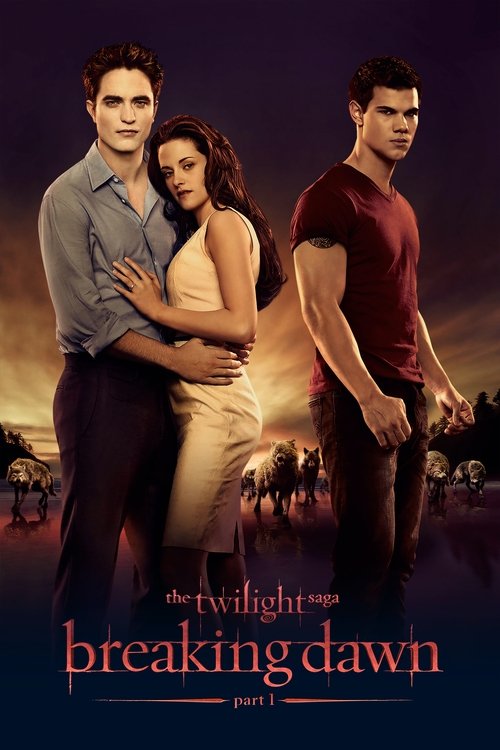
The Twilight Saga: Breaking Dawn - Part 1
2011 · Directed by Bill Condon
Woke Score
CriticCritic Score
Audience
Ultra Based
Critics rated this 33 points above its woke score. Among Ultra Based films, this critic score ranks #1263 of 1469.
Representation Casting
Score: 15/100
The cast is overwhelmingly white with no meaningful diversity. Indigenous characters are present but exist primarily as supporting players in a supernatural conflict.
LGBTQ+ Themes
Score: 5/100
No LGBTQ+ themes or representation of note. The narrative is entirely heteronormative, centering on traditional romantic relationships.
Feminist Agenda
Score: 28/100
While Bella's pregnancy and bodily vulnerability could be read as commentary, the film treats her suffering as romantic sacrifice rather than critique. No meaningful exploration of reproductive autonomy.
Racial Consciousness
Score: 12/100
Indigenous characters are portrayed in ways that scholars have critiqued as problematic, though the film demonstrates no self-awareness regarding these concerns.
Climate Crusade
Score: 0/100
No climate-related themes or environmental consciousness present in the narrative.
Eat the Rich
Score: 0/100
The film contains no critique of capitalism or wealth. Characters' affluence is treated as unremarkable.
Body Positivity
Score: 10/100
Bella's pregnancy is depicted as grotesque body horror rather than as a celebration of bodily diversity or acceptance. The emphasis is on suffering and transformation.
Neurodivergence
Score: 0/100
No representation of neurodivergent characters or exploration of neurodiversity themes.
Revisionist History
Score: 5/100
The film contains no significant historical revisionism, though its portrayal of Indigenous peoples reflects outdated stereotypes without commentary.
Lecture Energy
Score: 8/100
The film avoids explicit preachiness, preferring action and spectacle. Any social commentary is incidental rather than intentional.


Synopsis
Bella Swan and Edward Cullen's honeymoon phase is abruptly disrupted by betrayals and unforeseen tragedies that endanger their world.
Consciousness Assessment
The Twilight Saga: Breaking Dawn - Part 1 is a 2011 supernatural romance film that presents a particularly instructive case study in the absence of modern progressive sensibilities. The film operates in a cultural register entirely pre-dating the contemporary frameworks we deploy to evaluate such matters. Its narrative preoccupations center on romantic fulfillment and supernatural conflict rather than any interrogation of systemic structures or identity politics.
The film's core narrative, in which Bella Swan carries a half-human, half-vampire fetus to term in what amounts to a biological horror scenario, might appear to contain feminist resonance upon casual examination. However, the film treats this situation not as a critique of reproductive vulnerability but as a romantic climax. Bella's suffering is narratively positioned as the price of love rather than as a commentary on bodily autonomy or medical ethics. The cast is overwhelmingly white and heterosexual, with no meaningful exploration of LGBTQ+ themes. The supporting characters of color, primarily the Quileute tribe members, exist in a narrative structure that many scholars have identified as problematic in its portrayal of Indigenous peoples, though the film itself shows no awareness of this concern.
Structurally, Breaking Dawn - Part 1 lacks the lecture energy, climate consciousness, and anti-capitalist sensibilities that would mark a contemporary woke text. It is a product of 2000s popular entertainment, concerned with romance, action, and spectacle. The film's shortcomings are those of its era: insufficient representation and unexamined problematic elements. But these are not the same as the deliberate performative progressivism that characterizes genuinely woke cinema.
Analysis generated by our Consciousness Algorithm
Critic Reviews
“It is in many respects the best installment of the franchise as its stars go from sullen kids to sullen young adults, where their expressions look more natural.”
“It's the most imaginative picture in the franchise.”
“Worthy of mention is Carolina Herrera's design for Bella's wedding dress, sophisticated and demure in the front and Pippa Middleton sexy, and proper, in the back. ”
“Bill Condon (Dreamgirls, Chicago, Gods and Monsters) takes over the directing reins for these final two parts; his most noteworthy contribution to the series so far is a terrifyingly staged birth scene that should turn the teen fan base off of sex altogether … which is precisely what this whole dumb, punishing series has been gunning for from the start.”
Consciousness Markers
The cast is overwhelmingly white with no meaningful diversity. Indigenous characters are present but exist primarily as supporting players in a supernatural conflict.
No LGBTQ+ themes or representation of note. The narrative is entirely heteronormative, centering on traditional romantic relationships.
While Bella's pregnancy and bodily vulnerability could be read as commentary, the film treats her suffering as romantic sacrifice rather than critique. No meaningful exploration of reproductive autonomy.
Indigenous characters are portrayed in ways that scholars have critiqued as problematic, though the film demonstrates no self-awareness regarding these concerns.
No climate-related themes or environmental consciousness present in the narrative.
The film contains no critique of capitalism or wealth. Characters' affluence is treated as unremarkable.
Bella's pregnancy is depicted as grotesque body horror rather than as a celebration of bodily diversity or acceptance. The emphasis is on suffering and transformation.
No representation of neurodivergent characters or exploration of neurodiversity themes.
The film contains no significant historical revisionism, though its portrayal of Indigenous peoples reflects outdated stereotypes without commentary.
The film avoids explicit preachiness, preferring action and spectacle. Any social commentary is incidental rather than intentional.