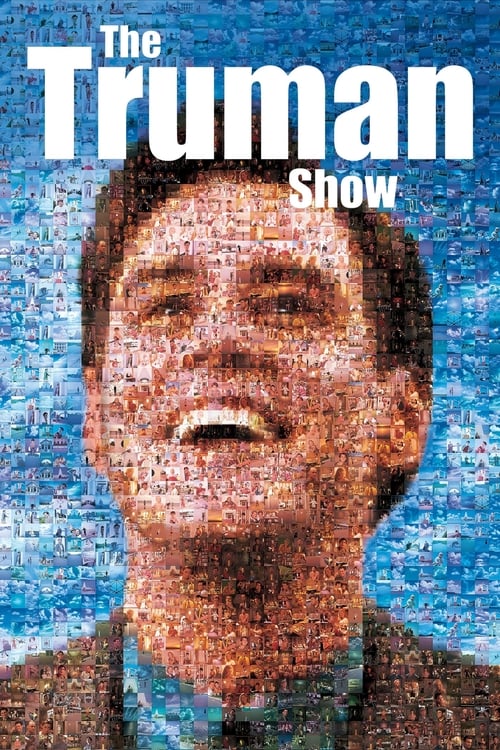
The Truman Show
1998 · Directed by Peter Weir
Woke Score
CriticCritic Score
Audience
Ultra Based
Critics rated this 86 points above its woke score. Among Ultra Based films, this critic score ranks #135 of 1469.
Representation Casting
Score: 5/100
The film features a diverse supporting cast by 1998 standards, but this diversity appears incidental rather than intentional. No evidence of conscious representation politics.
LGBTQ+ Themes
Score: 0/100
No LGBTQ+ themes, characters, or subtext present in the narrative.
Feminist Agenda
Score: 0/100
No feminist consciousness or agenda evident. Female characters serve conventional supporting roles without gender-critical commentary.
Racial Consciousness
Score: 0/100
No racial themes or commentary. The film's world is implicitly white suburban without addressing this as a subject of critique.
Climate Crusade
Score: 0/100
No environmental or climate-related themes present in the film.
Eat the Rich
Score: 3/100
The show itself is a capitalist apparatus designed for profit, but the film never develops this into explicit systemic critique or revolutionary consciousness.
Body Positivity
Score: 0/100
No engagement with body diversity, disability representation, or body positivity messaging.
Neurodivergence
Score: 0/100
No representation of neurodivergent characters or themes related to neurodiversity.
Revisionist History
Score: 0/100
No historical revisionism or reframing of historical narratives present in the film.
Lecture Energy
Score: 2/100
The film allows its satirical premise to speak for itself with minimal preachy exposition, though some scenes contain explicit dialogue about the show's nature and philosophy.


Synopsis
An insurance salesman begins to suspect that his whole life is actually some sort of reality TV show.
Consciousness Assessment
The Truman Show is a 1998 satirical comedy-drama that predates the modern woke cultural moment by more than two decades. While the film contains sophisticated social commentary about surveillance, media manipulation, and the commodification of human life, these themes operate entirely outside the framework of contemporary progressive identity politics. The film's concerns are epistemological and philosophical rather than rooted in any constellation of 2020s cultural sensibilities.
Examining the ten markers of modern progressive cultural consciousness reveals a film that, despite its intellectual ambitions, remains almost entirely untouched by contemporary social awareness movements. The cast, while competent and diverse in a casual 1998 sense, features no meaningful representation that signals progressive intentionality. Ed Harris, Laura Linney, and Noah Emmerich fill supporting roles without any apparent consideration toward demographic balance or the visibility of underrepresented groups. The narrative itself contains no LGBTQ+ themes, no feminist consciousness, no racial commentary, and no interrogation of climate, capitalism, or bodily diversity. Truman's world is a carefully constructed white suburban fantasy, presented as dystopian for reasons of control and authenticity rather than any critique of who occupies that world or what it means that they do.
The film's singular achievement lies in its prescient anxiety about surveillance and reality television, yet even this critique emerges from a pre-woke sensibility. We might recognize it as proto-capitalist critique (the show's entire premise is a commercial apparatus), but the film never develops this into explicit political consciousness. Truman's escape is framed as individual liberation rather than systemic indictment. There is no lecture energy here, no effort to educate the audience about oppressive structures through dialogue or exposition. Peter Weir presents the situation and allows the absurdity to speak for itself, a restraint that feels almost quaint in retrospect.
Analysis generated by our Consciousness Algorithm
Critic Reviews
“A gemlike picture crafted with rare and immaculate precision.”
“Delicately subversive, hypnotically sardonic, full of terror, banality and wafer-thin lyricism.”
“That rare cinematic experience-a movie so close to pure perfection that it seems a shame to spoil it by even reading a review beforehand.”
“It's unusually provocative and challenging for a Hollywood movie and, surprisingly, allows the audience to piece things together without too much external direction.”
Consciousness Markers
The film features a diverse supporting cast by 1998 standards, but this diversity appears incidental rather than intentional. No evidence of conscious representation politics.
No LGBTQ+ themes, characters, or subtext present in the narrative.
No feminist consciousness or agenda evident. Female characters serve conventional supporting roles without gender-critical commentary.
No racial themes or commentary. The film's world is implicitly white suburban without addressing this as a subject of critique.
No environmental or climate-related themes present in the film.
The show itself is a capitalist apparatus designed for profit, but the film never develops this into explicit systemic critique or revolutionary consciousness.
No engagement with body diversity, disability representation, or body positivity messaging.
No representation of neurodivergent characters or themes related to neurodiversity.
No historical revisionism or reframing of historical narratives present in the film.
The film allows its satirical premise to speak for itself with minimal preachy exposition, though some scenes contain explicit dialogue about the show's nature and philosophy.