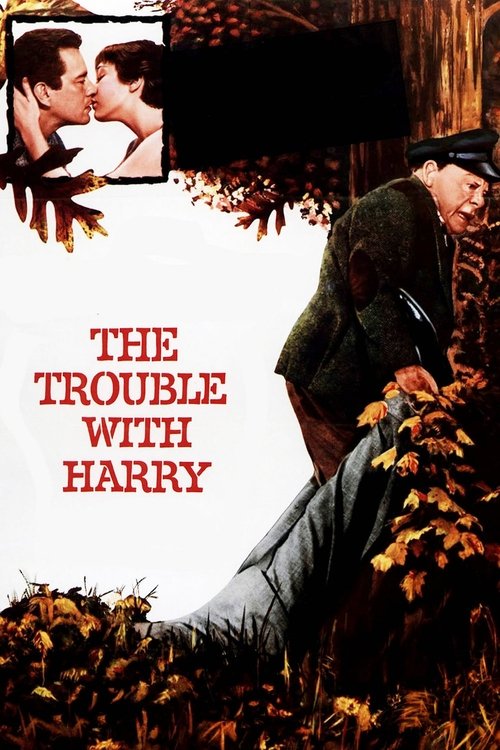
The Trouble with Harry
1955 · Directed by Alfred Hitchcock
Woke Score
CriticCritic Score
Audience
Ultra Based
Critics rated this 72 points above its woke score. Among Ultra Based films, this critic score ranks #515 of 1469.
Representation Casting
Score: 5/100
Female characters appear in prominent roles (MacLaine, Natwick, Dunnock), but this reflects narrative structure rather than conscious diversity efforts. The cast is entirely white and primarily reflects 1950s Hollywood conventions.
LGBTQ+ Themes
Score: 0/100
No LGBTQ+ themes or representation are present in the film.
Feminist Agenda
Score: 0/100
While female characters drive portions of the plot, there is no explicit feminist framework or conscious engagement with gender politics.
Racial Consciousness
Score: 0/100
The film contains no racial consciousness or commentary. The cast is uniformly white.
Climate Crusade
Score: 0/100
No climate-related themes or environmental consciousness appears in this film.
Eat the Rich
Score: 0/100
The film does not engage with anti-capitalist sentiment or class critique in contemporary terms.
Body Positivity
Score: 0/100
No body positivity discourse or commentary is present in the film.
Neurodivergence
Score: 0/100
No neurodivergent representation or commentary appears in the film.
Revisionist History
Score: 0/100
The film does not engage in revisionist historical interpretation or reframing of historical events.
Lecture Energy
Score: 0/100
The film maintains a light comedic tone without preachy lectures or explicit moral instruction to the audience.


Synopsis
The trouble with Harry is that he's dead. In a quiet Vermont village, a corpse creates unexpected chaos as several townspeople each believe they may be to blame.
Consciousness Assessment
The Trouble with Harry is a 1955 black comedy from Alfred Hitchcock, a film that predates by half a century the contemporary cultural frameworks we now use to evaluate social consciousness. Set in a small Vermont village, the narrative concerns itself with the complications arising from a corpse and the various townspeople who believe themselves responsible for its presence. Shirley MacLaine appears in her film debut as a character with an illegitimate child, a plot point that genuinely scandalized the Hays Code office at the time. This moral transgression, however, reflects the concerns of its era rather than the specific sensibilities of 21st-century progressive discourse.
The film's ensemble structure gives women prominent roles in the narrative, though this reflects the exigencies of the plot rather than any conscious effort at contemporary representation. The characters are motivated by self-interest, moral ambiguity, and the desire to maintain social appearances. These are timeless preoccupations of satirical comedy, not markers of modern social awareness. The film is concerned with hypocrisy and the gap between public propriety and private behavior, themes that have animated comedy since Molière.
There is no evidence of LGBTQ+ themes, explicit feminist framework, racial consciousness, environmental concern, anti-capitalist sentiment, body positivity discourse, neurodivergent representation, revisionist historical interpretation, or the preachy lecture-like quality characteristic of contemporary progressive cinema. The film is a sophisticated moral farce, but it operates entirely within the idiom of its own moment, untouched by the cultural markers that would define progressive sensibility decades later.
Analysis generated by our Consciousness Algorithm
Critic Reviews
“Hitchcock's comedic charms shine in this delightful story about a corpse that just won't stay buried. ”
“A lighter film for Hitchcock but with a wonderfully sewn narrative and some good performances.”
“A curious comedy that neither looks back at Rear Window nor ahead to Vertigo, but rather exists in some goofy space all its own. It’s as if Hitchcock went on vacation, but kept working. ”
“Hitchcock is reluctant to follow the subversive premises of the story through to their outrageous logical conclusion; the dialogue's sexual innuendoes now seem coy and awkward; the male leads are wooden; the ending too complacent; and the discreet style stranded by that dreaded British restraint so dear to the director.”
Consciousness Markers
Female characters appear in prominent roles (MacLaine, Natwick, Dunnock), but this reflects narrative structure rather than conscious diversity efforts. The cast is entirely white and primarily reflects 1950s Hollywood conventions.
No LGBTQ+ themes or representation are present in the film.
While female characters drive portions of the plot, there is no explicit feminist framework or conscious engagement with gender politics.
The film contains no racial consciousness or commentary. The cast is uniformly white.
No climate-related themes or environmental consciousness appears in this film.
The film does not engage with anti-capitalist sentiment or class critique in contemporary terms.
No body positivity discourse or commentary is present in the film.
No neurodivergent representation or commentary appears in the film.
The film does not engage in revisionist historical interpretation or reframing of historical events.
The film maintains a light comedic tone without preachy lectures or explicit moral instruction to the audience.