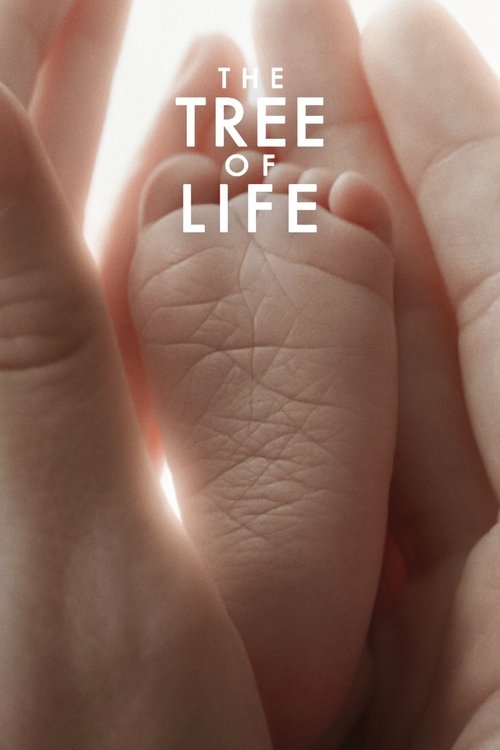
The Tree of Life
2011 · Directed by Terrence Malick
Woke Score
CriticCritic Score
Audience
Ultra Based
Critics rated this 81 points above its woke score. Among Ultra Based films, this critic score ranks #239 of 1469.
Representation Casting
Score: 0/100
The film features an almost entirely white cast in a 1950s Texas setting with no apparent consideration for demographic diversity. No effort is made to broaden representation beyond the narrow family unit.
LGBTQ+ Themes
Score: 0/100
There are no LGBTQ characters, themes, or subtext in the film. The narrative concerns itself exclusively with heterosexual family relations.
Feminist Agenda
Score: 5/100
The mother character is depicted with tenderness and presented as embodying grace, yet she remains largely passive and subordinated within the patriarchal family structure. Her suffering is aestheticized rather than critiqued.
Racial Consciousness
Score: 0/100
The film contains no engagement with racial themes, racial history, or racial consciousness. The setting is presented as racially unmarked and homogeneous.
Climate Crusade
Score: 0/100
No environmental or climate themes appear in the film. The natural world is depicted as timeless and cosmic rather than as a subject of contemporary ecological concern.
Eat the Rich
Score: 0/100
The film shows no engagement with economic systems, class struggle, or critique of capitalism. Material conditions are largely absent from its concerns.
Body Positivity
Score: 0/100
Body positivity themes are entirely absent. The film does not engage with contemporary discussions of bodily acceptance or appearance.
Neurodivergence
Score: 0/100
There is no representation of or engagement with neurodivergence, mental health conditions, or neurodivergent perspectives in the film.
Revisionist History
Score: 0/100
The film does not attempt to revise historical narratives. It treats the 1950s family structure as a timeless archetype rather than as a specific historical moment.
Lecture Energy
Score: 15/100
While the film employs voiceover narration and philosophical monologue, its preachy quality is expressed through poetic meditation and ambiguity rather than explicit instruction. The tone is contemplative rather than preachy.


Synopsis
The impressionistic story of a Texas family in the 1950s. The film follows the life journey of the eldest son, Jack, through the innocence of childhood to his disillusioned adult years as he tries to reconcile a complicated relationship with his father. Jack finds himself a lost soul in the modern world, seeking answers to the origins and meaning of life while questioning the existence of faith.
Consciousness Assessment
The Tree of Life stands as a monument to Terrence Malick's commitment to exploring the ineffable through cinema, a project so consumed with metaphysical inquiry that matters of contemporary social consciousness barely register within its frame. The film is set in 1950s Texas and depicts family life with such reverence for the mystical that it functions almost as a religious text rather than a social document. One encounters here patriarchal structures of profound rigidity, a mother figure of almost saintly passivity, and a father-son dynamic rooted in discipline and emotional distance, all rendered as cosmic truth rather than as historical particulars worthy of interrogation. Malick's lens refuses to distance itself from these arrangements; instead, it sanctifies them through association with the universe itself, treating the father's authority as a natural law.
The film's sparse cast and narrow domestic scope offer little room for demographic representation of any kind. There are no LGBTQ elements, no gestures toward contemporary racial consciousness, no acknowledgment of the constraints placed on women, and certainly no suggestion that the family's rigid hierarchies might be anything other than eternal fixtures of human existence. The mother's suffering is rendered poetic rather than systemic. The father's cruelty is presented as a tragic philosophical position rather than as abuse worthy of critique. What emerges from Malick's vision is a work of such singular artistic ambition that it transcends its historical moment almost entirely, leaving behind any concern with how the 1950s actually subordinated and marginalized people.
This is not to diminish the film's artistic achievement or spiritual depth. Rather, it is to note that The Tree of Life operates in a register so removed from the material world that questions of social equity simply do not enter its vocabulary. The film achieves its cosmic grandeur precisely by treating human suffering as an occasion for meditation on the divine rather than as a prompt for social change. It is a work that looks upward and outward, never inward toward questions of power and representation. In the context of contemporary cultural assessment, such singular devotion to transcendence registers as indifference to the concerns that animate modern progressive sensibilities.
Analysis generated by our Consciousness Algorithm
Critic Reviews
“Result is pure-grade art cinema destined primarily for the delectation of Malick partisans and adventurous arthouse-goers. ”
“Better than a masterpiece - whatever that is - The Tree of Life is an eruption of a movie, something to live with, think, and talk about afterward. ”
“Glibly put, this challenging time-skipping rumination is the big screen equivalent of watching that "Tree" grow.”
Consciousness Markers
The film features an almost entirely white cast in a 1950s Texas setting with no apparent consideration for demographic diversity. No effort is made to broaden representation beyond the narrow family unit.
There are no LGBTQ characters, themes, or subtext in the film. The narrative concerns itself exclusively with heterosexual family relations.
The mother character is depicted with tenderness and presented as embodying grace, yet she remains largely passive and subordinated within the patriarchal family structure. Her suffering is aestheticized rather than critiqued.
The film contains no engagement with racial themes, racial history, or racial consciousness. The setting is presented as racially unmarked and homogeneous.
No environmental or climate themes appear in the film. The natural world is depicted as timeless and cosmic rather than as a subject of contemporary ecological concern.
The film shows no engagement with economic systems, class struggle, or critique of capitalism. Material conditions are largely absent from its concerns.
Body positivity themes are entirely absent. The film does not engage with contemporary discussions of bodily acceptance or appearance.
There is no representation of or engagement with neurodivergence, mental health conditions, or neurodivergent perspectives in the film.
The film does not attempt to revise historical narratives. It treats the 1950s family structure as a timeless archetype rather than as a specific historical moment.
While the film employs voiceover narration and philosophical monologue, its preachy quality is expressed through poetic meditation and ambiguity rather than explicit instruction. The tone is contemplative rather than preachy.