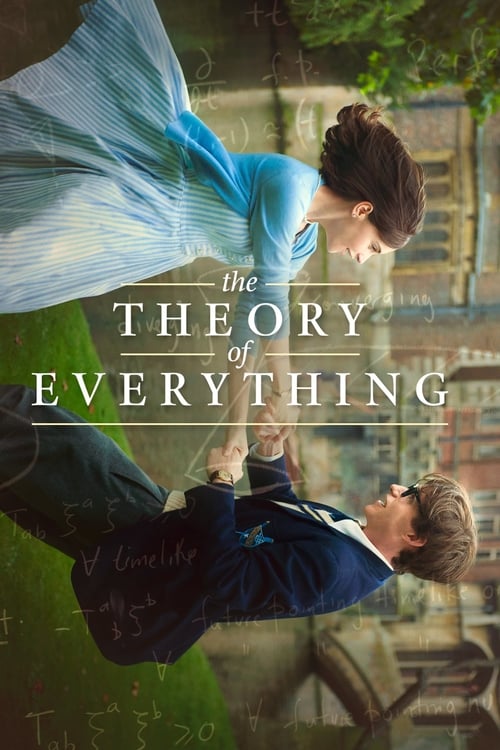
The Theory of Everything
2014 · Directed by James Marsh
Woke Score
CriticCritic Score
Audience
Ultra Based
Critics rated this 53 points above its woke score. Among Ultra Based films, this critic score ranks #586 of 1469.
Representation Casting
Score: 25/100
The film centers a disabled protagonist with a career-defining performance, but the representation is not motivated by contemporary progressive casting principles. The supporting cast reflects the historical Cambridge setting without deliberate attention to diversity.
LGBTQ+ Themes
Score: 0/100
No LGBTQ themes, characters, or subtext appear in the film. The narrative focuses entirely on heterosexual romance and family dynamics.
Feminist Agenda
Score: 5/100
While Jane Wilde is a significant character, the film does not interrogate her historical erasure or employ feminist analysis. She functions primarily as the supportive partner within traditional gender dynamics.
Racial Consciousness
Score: 0/100
The film contains no meaningful engagement with racial themes, consciousness, or representation. The narrative focuses on white, privileged Cambridge academics.
Climate Crusade
Score: 0/100
Climate themes are entirely absent from the film. The narrative concerns personal relationships and scientific achievement within a historical period setting.
Eat the Rich
Score: 0/100
No critique of capitalism or economic systems appears in the film. The narrative celebrates individual intellectual achievement within institutional academia.
Body Positivity
Score: 0/100
The film does not engage with body positivity. It treats physical disability as tragedy and deterioration rather than exploring diverse embodiment or challenging beauty standards.
Neurodivergence
Score: 35/100
The film centers motor neurone disease as its primary subject, but frames it through the 'inspiration porn' lens of overcoming rather than disability justice. Hawking's genius is positioned as compensating for his physical limitations.
Revisionist History
Score: 0/100
The film adapts Jane Wilde's memoir faithfully without engaging in revisionist history or challenging dominant historical narratives about Hawking's life and legacy.
Lecture Energy
Score: 10/100
The film occasionally presents scientific exposition and biographical detail, but does not employ preachy moralizing or lecture audiences about social issues. Its approach is narratively driven rather than pedagogical.


Synopsis
The Theory of Everything is the extraordinary story of one of the world's greatest living minds, the renowned astrophysicist Stephen Hawking, who falls deeply in love with fellow Cambridge student Jane Wilde.
Consciousness Assessment
The Theory of Everything occupies an interesting position in contemporary cinema: a film about disability that manages to avoid most modern progressive sensibilities while still garnering substantial critical praise. James Marsh's 2014 biographical drama focuses primarily on the romantic relationship between Stephen Hawking and Jane Wilde rather than any sustained examination of systemic barriers or social consciousness. The film treats Hawking's motor neurone disease as an individual tragedy to be overcome through intellectual brilliance and romantic devotion, a narrative framework that disability scholars have critiqued as perpetuating the "inspiration porn" mythology. Eddie Redmayne's Oscar-winning performance emphasizes physical deterioration and personal struggle over any structural critique of how society fails disabled individuals.
The film's approach to representation is notably passive. While it does center a disabled protagonist, this representation serves the traditional biopic template rather than challenging it. The supporting cast is demographically straightforward without any particular attention to diversity of casting beyond what naturally emerged from the Cambridge setting and historical period. There is no meaningful engagement with LGBTQ themes, feminist analysis of Jane's narrative suppression in historical accounts, or any broader social consciousness. The relationship dynamics actually reinforce somewhat traditional gender roles, with Jane positioned as the supportive partner managing domestic life while Stephen pursues intellectual achievement.
What emerges from this analysis is a film that performs earnestness about its subject matter without engaging in the contemporary cultural conversations one might expect. It is a prestige biopic that won an Academy Award for Best Actor and achieved commercial success precisely because it told a familiar story of individual triumph in an accessible, emotionally engaging manner. The disability representation, while significant for its visibility, remains uncritical of the frameworks through which we understand suffering and achievement. This is not a film that interrogates modern social structures or progressive values, but rather a traditional prestige drama that happens to feature a disabled protagonist.
Analysis generated by our Consciousness Algorithm
Critic Reviews
“This is the extraordinary biopic about the fascinating, complex and inspirational example set by genius cosmologist and physicist Stephen Hawking. ”
“Visually imaginative, The Theory of Everything is an unusually compelling true-life story about an extraordinary couple triumphing over adversity. It’s my favorite movie so far this year.”
“Just in physical terms, Eddie Redmayne transformation’s into Stephen Hawking is something remarkable. ”
“Director James Marsh (already an Oscar winner for the documentary "Man on Wire") and screenwriter Anthony McCarten (adapting Jane Hawking's memoir) opt for the safe, pretty, and reassuring English period-piece choices the whole way through, as if deliberately underselling the fact that this is a story about two remarkable people facing extraordinary circumstances.”
Consciousness Markers
The film centers a disabled protagonist with a career-defining performance, but the representation is not motivated by contemporary progressive casting principles. The supporting cast reflects the historical Cambridge setting without deliberate attention to diversity.
No LGBTQ themes, characters, or subtext appear in the film. The narrative focuses entirely on heterosexual romance and family dynamics.
While Jane Wilde is a significant character, the film does not interrogate her historical erasure or employ feminist analysis. She functions primarily as the supportive partner within traditional gender dynamics.
The film contains no meaningful engagement with racial themes, consciousness, or representation. The narrative focuses on white, privileged Cambridge academics.
Climate themes are entirely absent from the film. The narrative concerns personal relationships and scientific achievement within a historical period setting.
No critique of capitalism or economic systems appears in the film. The narrative celebrates individual intellectual achievement within institutional academia.
The film does not engage with body positivity. It treats physical disability as tragedy and deterioration rather than exploring diverse embodiment or challenging beauty standards.
The film centers motor neurone disease as its primary subject, but frames it through the 'inspiration porn' lens of overcoming rather than disability justice. Hawking's genius is positioned as compensating for his physical limitations.
The film adapts Jane Wilde's memoir faithfully without engaging in revisionist history or challenging dominant historical narratives about Hawking's life and legacy.
The film occasionally presents scientific exposition and biographical detail, but does not employ preachy moralizing or lecture audiences about social issues. Its approach is narratively driven rather than pedagogical.