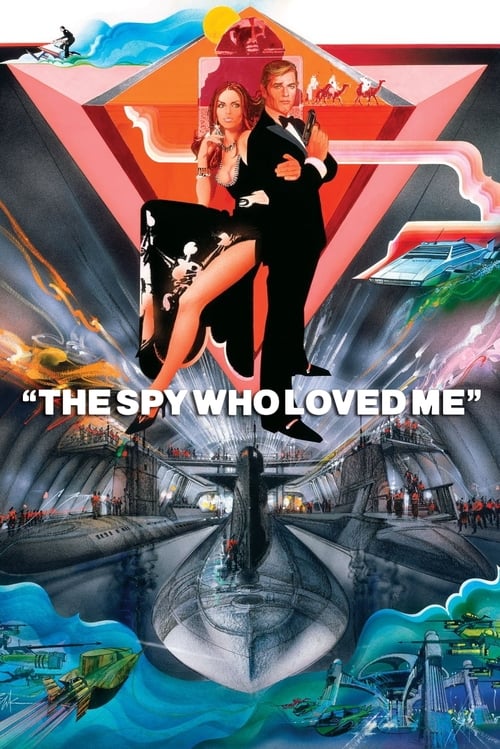
The Spy Who Loved Me
1977 · Directed by Lewis Gilbert
Woke Score
CriticCritic Score
Audience
Ultra Based
Critics rated this 47 points above its woke score. Among Ultra Based films, this critic score ranks #1058 of 1469.
Representation Casting
Score: 25/100
Female lead character (Anya) is present and competent, though still secondary to Bond's narrative. Casting reflects 1970s Hollywood norms with limited diversity.
LGBTQ+ Themes
Score: 0/100
No LGBTQ+ themes or representation present in the film. The narrative is entirely heterosexual and conventional.
Feminist Agenda
Score: 20/100
Anya functions as a capable agent but ultimately defers to Bond. The film's treatment of female agency is minimal by any standard of progressive analysis.
Racial Consciousness
Score: 0/100
No meaningful engagement with race or racial dynamics. The film reflects Cold War-era entertainment with an all-white principal cast.
Climate Crusade
Score: 0/100
Climate change is entirely absent from the narrative. The film's environmental concerns extend no further than preventing nuclear war.
Eat the Rich
Score: 5/100
The villain's scheme involves capitalist profit motives, but the film offers no systemic critique of capitalism itself, merely using villainy as plot device.
Body Positivity
Score: 0/100
The film celebrates idealized male and female bodies displayed for viewer consumption. No body diversity or positive representation of non-ideal physiques.
Neurodivergence
Score: 0/100
No representation of neurodivergent characters or any engagement with disability or neurodiversity as themes.
Revisionist History
Score: 0/100
The film accepts Cold War historical narratives uncritically and offers no revisionist perspective on historical events or colonial legacies.
Lecture Energy
Score: 10/100
Minimal moralizing or preachy exposition. The film is content to function as entertainment without pausing to instruct the audience on proper values.


Synopsis
Russian and British submarines with nuclear missiles on board both vanish from sight without a trace. England and Russia both blame each other as James Bond tries to solve the riddle of the disappearing ships. But the KGB also has an agent on the case.
Consciousness Assessment
The Spy Who Loved Me arrives as a thoroughly conventional product of mid-1970s spy cinema, a time when progressive sensibilities had not yet calcified into the particular constellation of cultural anxieties we now recognize. The film does feature a female Soviet agent, Anya Amasova, played by Barbara Bach, who functions as a capable operative rather than a passive romantic interest, and this represents a modest departure from earlier Bond entries where women existed primarily as decorative obstacles to seduction. Yet the film remains fundamentally committed to the male fantasy structure that defines the entire franchise: women are present, but their agency exists in service to Bond's narrative arc. The Cold War framework provides the pretense of geopolitical sophistication, though the film offers no genuine interrogation of imperialism, capitalism, or the machinery of state violence that generates the conflict.
What the film does not contain is any meaningful engagement with contemporary social movements of the 1970s. There is no climate anxiety, no examination of corporate malfeasance, no exploration of systemic racism or gender oppression beyond the occasional one-liner. The body on display belongs to an idealized male spy, and the film celebrates rather than questions physical prowess and violent competence. The film's conception of feminism, if we can call it that, amounts to allowing a woman to occasionally outpace Bond at his own game before inevitably deferring to his superior judgment and charm. This is not progressive consciousness so much as calculated market positioning in an era when Bond producers recognized that female audiences had money to spend.
The film exists in a pre-woke universe where such distinctions did not yet matter. It is entertainment designed to reassure audiences that Western institutions, however fallible, would ultimately prevail against Soviet menace. To judge it by contemporary standards would be absurd, yet also to claim it possesses modern progressive sensibilities would constitute a fundamental misreading of its actual commitments and limitations. It is, simply, a Bond film from 1977, competent and entertaining within its narrow parameters, unburdened by the weight of cultural consciousness that would later come to define popular entertainment.
Analysis generated by our Consciousness Algorithm
Critic Reviews
“A glitter sci-fi adventure fantasy that balances the indestructible James Bond with an indestructible cartoon adversary, Jaws (Richard Kiel), who is a great evil windup toy. This is the best of the Bonds starring the self-effacing Roger Moore.”
“What The Spy Who Loved Me lacks when it comes to establishing the atmosphere of danger present in some the best Bond movies it makes up in spades in the creation of one apparently-impossible situation for the protagonist after the other, the kind that other entries would have been lucky to include a single example.”
“While it never sags as alarmingly as its immediate predecessor, Spy, the 10th film in the series, is at best a tolerable disappointment.”
Consciousness Markers
Female lead character (Anya) is present and competent, though still secondary to Bond's narrative. Casting reflects 1970s Hollywood norms with limited diversity.
No LGBTQ+ themes or representation present in the film. The narrative is entirely heterosexual and conventional.
Anya functions as a capable agent but ultimately defers to Bond. The film's treatment of female agency is minimal by any standard of progressive analysis.
No meaningful engagement with race or racial dynamics. The film reflects Cold War-era entertainment with an all-white principal cast.
Climate change is entirely absent from the narrative. The film's environmental concerns extend no further than preventing nuclear war.
The villain's scheme involves capitalist profit motives, but the film offers no systemic critique of capitalism itself, merely using villainy as plot device.
The film celebrates idealized male and female bodies displayed for viewer consumption. No body diversity or positive representation of non-ideal physiques.
No representation of neurodivergent characters or any engagement with disability or neurodiversity as themes.
The film accepts Cold War historical narratives uncritically and offers no revisionist perspective on historical events or colonial legacies.
Minimal moralizing or preachy exposition. The film is content to function as entertainment without pausing to instruct the audience on proper values.