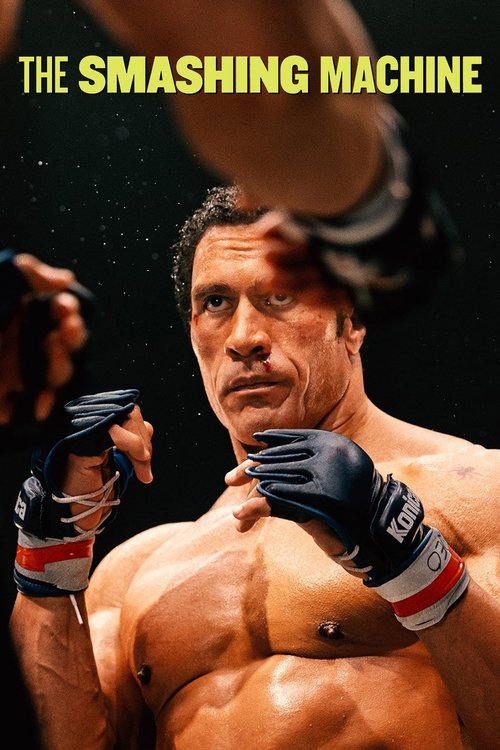
The Smashing Machine
2025 · Directed by Benny Safdie
Woke Score
CriticCritic Score
Audience
Ultra Based
Critics rated this 61 points above its woke score. Among Ultra Based films, this critic score ranks #758 of 1469.
Representation Casting
Score: 15/100
The film features diverse casting including real MMA athletes, but this reflects the sport's actual demographics rather than conscious representation efforts. Dwayne Johnson and Emily Blunt are cast based on star power and acting ability.
LGBTQ+ Themes
Score: 0/100
No evidence of LGBTQ+ themes in the film based on available information.
Feminist Agenda
Score: 0/100
Emily Blunt plays a supporting role as Mark's girlfriend. The narrative remains centered on the male protagonist's journey without feminist reframing.
Racial Consciousness
Score: 5/100
While the cast includes actors of various racial backgrounds, this reflects the actual composition of the MMA world rather than an explicit racial consciousness agenda.
Climate Crusade
Score: 0/100
No evidence of climate-related themes or messaging in this sports biography.
Eat the Rich
Score: 0/100
The film depicts the professional MMA circuit but shows no critique of capitalism or wealth structures.
Body Positivity
Score: 0/100
MMA is an athletic sport centered on physical performance and competition. No body positivity messaging is evident.
Neurodivergence
Score: 0/100
While the film addresses addiction and mental health struggles, these are not neurodivergence. No evidence of this marker.
Revisionist History
Score: 0/100
The film appears to be a biographical account of real events and Mark Kerr's actual life, not a revisionist reinterpretation.
Lecture Energy
Score: 10/100
Benny Safdie's directorial style favors character-driven intimacy over preachy messaging. Minimal evidence of moralizing or lectures about social issues.


Synopsis
In the late 1990s, up-and-coming mixed martial artist Mark Kerr aspires to become the greatest fighter in the world. However, he must also battle his opioid dependence and a volatile relationship with his girlfriend Dawn.
Consciousness Assessment
The Smashing Machine arrives as a biographical portrait of vulnerability masquerading as a sports drama. Benny Safdie's direction, coupled with Dwayne Johnson's apparent commitment to playing against type, suggests a filmmaker interested in the interior collapse of his subject rather than any broader cultural statement. The narrative centers Mark Kerr's addiction struggle and personal turmoil with the kind of intimate focus that typically resists moralizing or contemporary political framing.
The film's modest cultural engagement stems entirely from its subject matter. Opioid addiction, mental health crisis, and the human cost of athletic ambition are serious concerns that naturally align with contemporary social consciousness. Yet these themes emerge organically from Kerr's historical reality rather than from directorial intent to score progressive points. The presence of Emily Blunt and a diverse supporting cast of real athletes reflects casting pragmatism more than deliberate representation strategy.
The work remains fundamentally uninterested in lecturing its audience about systemic injustice or contemporary social causes. Safdie has built his reputation on character studies that privilege psychological depth over ideological messaging. The Smashing Machine appears content to observe its protagonist's struggle without offering the kind of preachy scaffolding that would signal alignment with modern cultural sensibilities.
Analysis generated by our Consciousness Algorithm
Critic Reviews
“The Smashing Machine isn’t a sports movie that wants to jerk a Pavolvian response of triumph out of us. It’s after something subtler and more moving. By the end of the film, Mark, who had grown so used to winning, has won in the most transformative way.”
“Like Johnson’s Kerr, The Smashing Machine is a surprisingly gentle giant.”
“Safdie recognizes that The Smashing Machine is a single-purpose invention, one built to run on the blood, sweat and sometimes even the tears of Dwayne Johnson. Consider the act of watching the movie a double dose of cinematic benevolence: rewarding yourself, and saving the star from his own worst Hollywood instincts. Two birds, one Rock.”
“It’s entirely possible that Benny Safdie was out to craft a different kind of underdog sports movie, one where the audience isn’t manipulated into raising a triumphant fist at the end. But surely the writer-director-editor hoped for more than a disinterested shrug.”
Consciousness Markers
The film features diverse casting including real MMA athletes, but this reflects the sport's actual demographics rather than conscious representation efforts. Dwayne Johnson and Emily Blunt are cast based on star power and acting ability.
No evidence of LGBTQ+ themes in the film based on available information.
Emily Blunt plays a supporting role as Mark's girlfriend. The narrative remains centered on the male protagonist's journey without feminist reframing.
While the cast includes actors of various racial backgrounds, this reflects the actual composition of the MMA world rather than an explicit racial consciousness agenda.
No evidence of climate-related themes or messaging in this sports biography.
The film depicts the professional MMA circuit but shows no critique of capitalism or wealth structures.
MMA is an athletic sport centered on physical performance and competition. No body positivity messaging is evident.
While the film addresses addiction and mental health struggles, these are not neurodivergence. No evidence of this marker.
The film appears to be a biographical account of real events and Mark Kerr's actual life, not a revisionist reinterpretation.
Benny Safdie's directorial style favors character-driven intimacy over preachy messaging. Minimal evidence of moralizing or lectures about social issues.