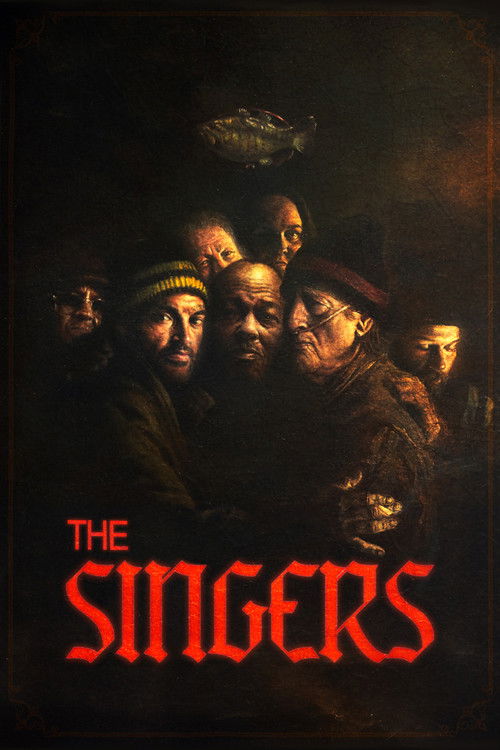
The Singers
2026 · Directed by Sam Davis
Woke Score
CriticCritic Score
Based
Critics rated this 58 points above its woke score. Among Based films, this critic score ranks #71 of 345.
Representation Casting
Score: 45/100
The film features authentic casting through viral video discovery and street casting, elevating working-class and underrepresented performers like subway singers and America's Got Talent veterans. However, this representation functions primarily as authenticity rather than a deliberate statement about inclusion.
LGBTQ+ Themes
Score: 0/100
No apparent LGBTQ+ themes or representation are present in this short film about a dive bar singing contest.
Feminist Agenda
Score: 15/100
The film does not foreground feminist themes. While the cast appears to include diverse genders, there is no particular examination of gender dynamics or feminist consciousness in the narrative.
Racial Consciousness
Score: 25/100
The cast includes performers of various racial and ethnic backgrounds, but the film treats this diversity as natural rather than as a subject for explicit racial consciousness or commentary on systemic inequality.
Climate Crusade
Score: 0/100
Climate themes are entirely absent from this intimate short about human connection through music in a bar setting.
Eat the Rich
Score: 20/100
The film depicts working-class spaces and working-class performers, which carries some implicit critique of economic hierarchy, but it does not actively interrogate capitalism or economic systems.
Body Positivity
Score: 10/100
The film features people of various body types without apparent judgment, but body positivity is not a thematic focus or deliberate element of the narrative.
Neurodivergence
Score: 0/100
No explicit representation of neurodivergence is evident. The film's focus on artistic expression and authentic voices could theoretically include neurodivergent performers, but this is not addressed.
Revisionist History
Score: 0/100
This contemporary short film contains no historical narrative or revisionist engagement with historical events.
Lecture Energy
Score: 15/100
The film avoids heavy-handed messaging, preferring to let the singing speak for itself. However, the implicit message about human connection through art carries some gentle preachy weight, though it stops short of explicit sermon.


Synopsis
An impromptu singing contest at a dive bar turns a lonely night into a soul-baring moment of shared harmony.
Consciousness Assessment
Sam Davis has crafted a modest portrait of human connection through the lens of a dive bar sing-off, a concept so fundamentally unpretentious that it nearly disarms criticism. The film discovers its cast through viral videos and street casting, lending an authentic texture to what might otherwise be a calculated exercise in indie charm. Yet there is something almost defiant in its refusal to interrogate the social conditions that produce loneliness, choosing instead to suggest that shared artistic expression can dissolve the barriers between strangers without examining what built those barriers in the first place.
The film's appeal rests on a particular brand of humanism that prefers connection over critique. We are asked to celebrate ordinary people finding their voice through song, a premise that carries genuine emotional weight. The performers, many of whom earned their followings through street performance and internet fame, bring a lived authenticity that glossy casting could never purchase. What the film does not do is examine the economic precarity, social isolation, or systemic factors that might drive individuals to seek community in such venues. The dive bar becomes a stage for redemption through art rather than a symptom of larger social failure.
The cultural moment around this film's Oscar nomination suggests an appetite for feel-good narratives about working people and artistic expression. Yet the film's progressive sensibilities remain largely dormant. It offers representation through authentic casting but does not weaponize that representation toward any particular social statement. The singing itself becomes a kind of universal language that transcends the need for explicit social consciousness. This is both the film's strength and its limitation: it trusts in the power of shared human experience while declining to ask harder questions about who gets excluded from such moments of connection.
Analysis generated by our Consciousness Algorithm
Critic Reviews
“A simple, lovely little slice of humanity about dead-end guys in a bar who find hope through a singing contest.”
“Davis does an inspiring job of evoking a dreary atmosphere, then piercing it with the unlikely power of song.”
“It's a sweet-natured film, albeit a forgettable one, that doesn't have much by way of thematic depth.”
“The Singers lifts our spirits with hope for humanity and the common good in life.”
Consciousness Markers
The film features authentic casting through viral video discovery and street casting, elevating working-class and underrepresented performers like subway singers and America's Got Talent veterans. However, this representation functions primarily as authenticity rather than a deliberate statement about inclusion.
No apparent LGBTQ+ themes or representation are present in this short film about a dive bar singing contest.
The film does not foreground feminist themes. While the cast appears to include diverse genders, there is no particular examination of gender dynamics or feminist consciousness in the narrative.
The cast includes performers of various racial and ethnic backgrounds, but the film treats this diversity as natural rather than as a subject for explicit racial consciousness or commentary on systemic inequality.
Climate themes are entirely absent from this intimate short about human connection through music in a bar setting.
The film depicts working-class spaces and working-class performers, which carries some implicit critique of economic hierarchy, but it does not actively interrogate capitalism or economic systems.
The film features people of various body types without apparent judgment, but body positivity is not a thematic focus or deliberate element of the narrative.
No explicit representation of neurodivergence is evident. The film's focus on artistic expression and authentic voices could theoretically include neurodivergent performers, but this is not addressed.
This contemporary short film contains no historical narrative or revisionist engagement with historical events.
The film avoids heavy-handed messaging, preferring to let the singing speak for itself. However, the implicit message about human connection through art carries some gentle preachy weight, though it stops short of explicit sermon.