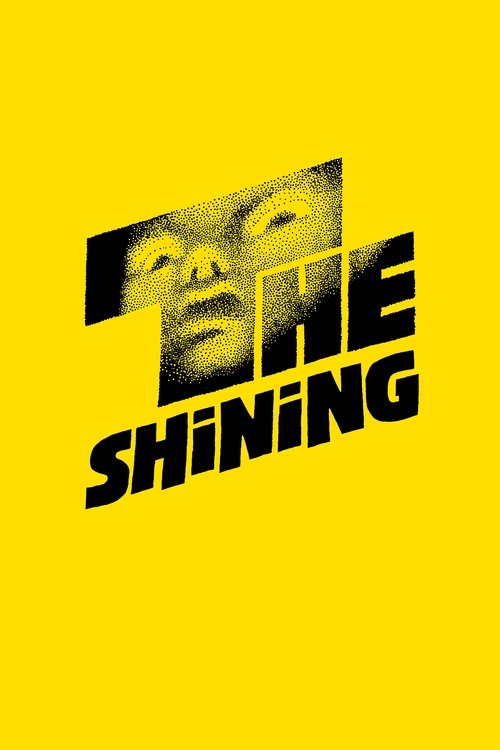
The Shining
1980 · Directed by Stanley Kubrick
Woke Score
CriticCritic Score
Audience
Ultra Based
Critics rated this 60 points above its woke score. Among Ultra Based films, this critic score ranks #698 of 1469.
Representation Casting
Score: 35/100
The cast is predominantly white, with Scatman Crothers in a supporting caretaker role that carries unfortunate historical baggage. The film does not engage with representation as a conscious priority.
LGBTQ+ Themes
Score: 0/100
No LGBTQ+ themes or representation present in the narrative. The film is entirely absent of any such considerations.
Feminist Agenda
Score: 25/100
Wendy is portrayed as passive and victimized rather than as an agent of her own narrative. Later critical interpretations have read feminist subtext into her survival, but the film itself presents her primarily as prey.
Racial Consciousness
Score: 0/100
The film shows no engagement with racial consciousness as a thematic concern. Scatman Crothers' character exists without any examination of racial dynamics, reflecting 1980s mainstream cinema indifference.
Climate Crusade
Score: 0/100
Climate themes are entirely absent. The winter setting is purely aesthetic and atmospheric, with no environmental consciousness whatsoever.
Eat the Rich
Score: 20/100
The hotel itself functions as a gothic critique of capitalist excess and institutional corruption, though this is implicit rather than explicit. The film does not present this as a conscious ideological position.
Body Positivity
Score: 0/100
Body positivity concerns are entirely absent from this 1980 horror film. Physical appearance is used for shock value rather than celebration of diversity.
Neurodivergence
Score: 5/100
Danny's psychic abilities could be read as neurodivergence, but the film does not frame them within any contemporary understanding of neurodiversity. They are simply supernatural plot devices.
Revisionist History
Score: 15/100
The hotel's history of violence and indigenous displacement exists in the film's background, but Kubrick does not engage in revisionist reframing. The historical horrors are merely atmospheric decoration.
Lecture Energy
Score: 5/100
The film operates purely through atmospheric horror and psychological terror. It contains no preachy impulses, social messaging, or lectures of any kind.


Synopsis
Jack Torrance accepts a caretaker job at the Overlook Hotel, where he, along with his wife Wendy and their son Danny, must live isolated from the rest of the world for the winter. But they aren't prepared for the madness that lurks within.
Consciousness Assessment
Stanley Kubrick's 1980 masterwork remains a towering achievement of pure cinematic horror, which is precisely why its engagement with contemporary progressive sensibilities registers as remarkably modest. The film is an exercise in formal control and psychological terror, not social consciousness. Kubrick was engaged in the business of manufacturing dread through meticulously composed frames, unsettling sound design, and the methodical destruction of a family's psyche. Social commentary, when present, operates beneath the surface rather than as the film's animating concern.
The most conspicuous issue, viewed through a contemporary lens, is the film's treatment of race and gender. Scatman Crothers delivers a performance of genuine warmth and humanity as the hotel's cook, yet the character occupies a supporting position that reflects the racial hierarchies of 1980 Hollywood. Wendy, played by Shelley Duvall, is constructed as victim rather than protagonist, though later feminist film criticism has attempted to recover agency from her survival narrative. The film offers neither progressive representation nor conscious engagement with these dynamics. It simply exists as a product of its era, indifferent to what would later become cultural imperatives.
What makes The Shining resistant to contemporary progressive readings is its absolute amorality. The film cares nothing for social themes, moral instruction, or cultural awareness. It is a machine designed to generate terror through visual composition and narrative dissolution. This commitment to form over messaging, to horror over humanity, renders it almost entirely incompatible with the sensibilities that would animate prestige cinema two decades later. We are witnessing not a film with progressive politics, but rather one with no politics whatsoever beyond the gothic nihilism of its own making.
Analysis generated by our Consciousness Algorithm
Critic Reviews
“But there is no way, within the film, to be sure with any confidence exactly what happens, or precisely how, or really why. Kubrick delivers this uncertainty in a film where the actors themselves vibrate with unease.”
“Ostensibly a haunted house story, it manages to traverse a complex world of incipient madness, spectral murder and supernatural visions ...and also makes you jump.”
“The Shining buzzes madness and malevolence from every frame.”
“Stanley Kubrick's production of The Shining, a ponderous, lackluster distillation of Stephen King's best-selling novel, looms as the Big Letdown of the new film season. I can't recall a more elaborately ineffective scare movie. You might say that The Shining, opening today at area theaters, has no peers: Few directors achieve the treacherous luxury of spending five years (and $12 million-$15 million) on such a peerlessly wrongheaded finished product.”
Consciousness Markers
The cast is predominantly white, with Scatman Crothers in a supporting caretaker role that carries unfortunate historical baggage. The film does not engage with representation as a conscious priority.
No LGBTQ+ themes or representation present in the narrative. The film is entirely absent of any such considerations.
Wendy is portrayed as passive and victimized rather than as an agent of her own narrative. Later critical interpretations have read feminist subtext into her survival, but the film itself presents her primarily as prey.
The film shows no engagement with racial consciousness as a thematic concern. Scatman Crothers' character exists without any examination of racial dynamics, reflecting 1980s mainstream cinema indifference.
Climate themes are entirely absent. The winter setting is purely aesthetic and atmospheric, with no environmental consciousness whatsoever.
The hotel itself functions as a gothic critique of capitalist excess and institutional corruption, though this is implicit rather than explicit. The film does not present this as a conscious ideological position.
Body positivity concerns are entirely absent from this 1980 horror film. Physical appearance is used for shock value rather than celebration of diversity.
Danny's psychic abilities could be read as neurodivergence, but the film does not frame them within any contemporary understanding of neurodiversity. They are simply supernatural plot devices.
The hotel's history of violence and indigenous displacement exists in the film's background, but Kubrick does not engage in revisionist reframing. The historical horrors are merely atmospheric decoration.
The film operates purely through atmospheric horror and psychological terror. It contains no preachy impulses, social messaging, or lectures of any kind.