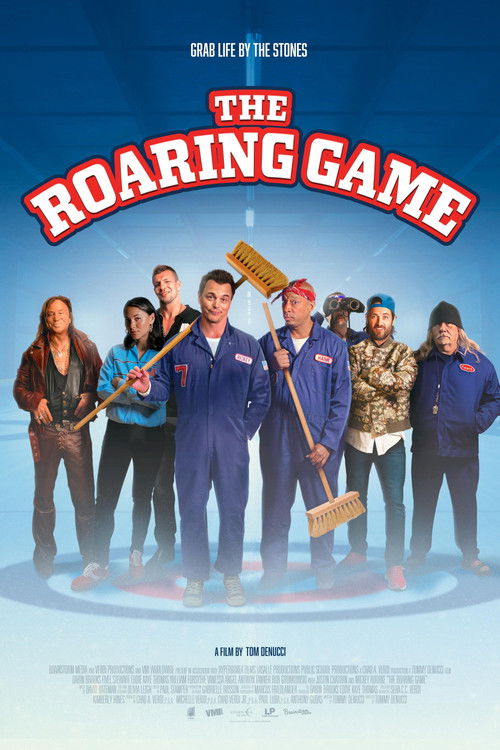
The Roaring Game
2026 · Directed by Tom DeNucci · $19M domestic
Ultra Based
Consciousness Score: 15%
Representation Casting
Score: 25/100
The cast includes actors of various ethnicities and a female lead athlete, but these elements serve no narrative purpose beyond demographic representation. The film shows no interest in exploring these characters' backgrounds or perspectives.
LGBTQ+ Themes
Score: 0/100
No LGBTQ+ themes, characters, or representation are evident in the available plot summary or critical discussion of the film.
Feminist Agenda
Score: 5/100
The female protagonist's selection to a national team is treated as a plot obstacle to the male protagonist's romantic goals rather than as her achievement. The narrative framework is fundamentally centered on male redemption.
Racial Consciousness
Score: 10/100
The film contains actors of color in supporting roles on the curling team, but there is no evidence of any engagement with racial themes, dynamics, or consciousness in the narrative.
Climate Crusade
Score: 0/100
A curling comedy set in an ice rink has no apparent environmental or climate-related themes or messaging.
Eat the Rich
Score: 15/100
The protagonist is a working-class janitor, which creates surface-level class positioning, but the film shows no systemic critique of capitalism or wealth inequality. The narrative is about individual redemption, not structural change.
Body Positivity
Score: 20/100
The film involves athletic competition and features a diverse cast, which could imply body diversity, but there is no evidence of deliberate body-positive messaging or commentary challenging conventional beauty standards.
Neurodivergence
Score: 0/100
No evidence of neurodivergent representation or themes in the available information about the film.
Revisionist History
Score: 0/100
This is a contemporary fictional sports comedy with no historical setting or revisionist historical claims.
Lecture Energy
Score: 15/100
The film's tonal shift into earnest inspirational sports drama in the final act suggests some heavy-handed messaging about redemption and determination, though this appears incidental rather than deliberate social instruction.


Synopsis
High school janitor Rickey loses everything when his girlfriend, Kelly, is selected to play hockey for Team USA and compete in the World Games. To win her back, Rickey creates a misfit curling team and uses his sweeping skills to compete for gold and complete a comic quest for redemption that captivates the nation.
Consciousness Assessment
The Roaring Game presents itself as the kind of sports comedy that might have been greenlit in 2003, complete with all the tonal inconsistencies one would expect from a narrative that cannot decide whether it wants to be slapstick farce or inspirational drama. The film's primary concern is the redemption arc of a working-class male protagonist who has been displaced by his girlfriend's athletic success, which the narrative treats as a loss rather than an achievement worth celebrating. This is not progressive sensibility so much as indifference to it.
The cast includes actors of various backgrounds, but their presence functions as mere demographic window dressing. Fivel Stewart and Antwon Tanner appear to be present because the film required bodies to fill out a curling team, not because the narrative has any particular investment in their characters' interior lives or perspectives. The film's sole nod to contemporary consciousness comes in the form of Kelly's selection to play hockey for Team USA, which technically acknowledges women's athletic participation, yet the entire plot machinery exists to undermine her achievement by framing it as the inciting incident that damages the male protagonist's romantic prospects.
The film's final act reportedly pivots into earnest inspirational sports drama territory, abandoning the comedy entirely. This tonal whiplash, rather than reflecting any cultural awareness, simply demonstrates a confusion about what story the filmmakers wanted to tell. We are left with a curling movie that neither commits to its absurdity nor earns its sentiment.
Analysis generated by our Consciousness Algorithm
Consciousness Markers
The cast includes actors of various ethnicities and a female lead athlete, but these elements serve no narrative purpose beyond demographic representation. The film shows no interest in exploring these characters' backgrounds or perspectives.
No LGBTQ+ themes, characters, or representation are evident in the available plot summary or critical discussion of the film.
The female protagonist's selection to a national team is treated as a plot obstacle to the male protagonist's romantic goals rather than as her achievement. The narrative framework is fundamentally centered on male redemption.
The film contains actors of color in supporting roles on the curling team, but there is no evidence of any engagement with racial themes, dynamics, or consciousness in the narrative.
A curling comedy set in an ice rink has no apparent environmental or climate-related themes or messaging.
The protagonist is a working-class janitor, which creates surface-level class positioning, but the film shows no systemic critique of capitalism or wealth inequality. The narrative is about individual redemption, not structural change.
The film involves athletic competition and features a diverse cast, which could imply body diversity, but there is no evidence of deliberate body-positive messaging or commentary challenging conventional beauty standards.
No evidence of neurodivergent representation or themes in the available information about the film.
This is a contemporary fictional sports comedy with no historical setting or revisionist historical claims.
The film's tonal shift into earnest inspirational sports drama in the final act suggests some heavy-handed messaging about redemption and determination, though this appears incidental rather than deliberate social instruction.