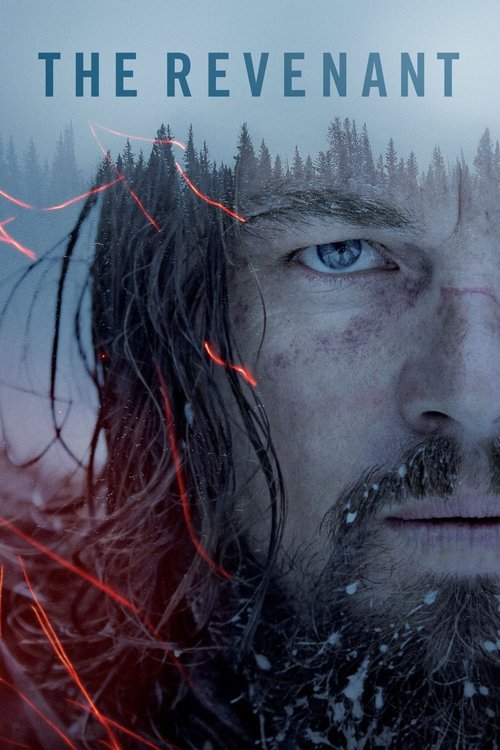
The Revenant
2015 · Directed by Alejandro González Iñárritu · $533.0M domestic
Woke Score
CriticCritic Score
Audience
Based
Critics rated this 29 points above its woke score. Among Based films, this critic score ranks #266 of 345.
Representation Casting
Score: 62/100
Indigenous actors are cast in meaningful roles, including Duane Howard as Elk Dog and Grace Dove as a Pawnee woman, representing a significant improvement over historical Hollywood practice. However, these characters remain secondary to the white protagonist's narrative arc.
LGBTQ+ Themes
Score: 0/100
No LGBTQ+ themes, characters, or representation are present in the film. The narrative contains no romantic or sexual relationships beyond heterosexual ones.
Feminist Agenda
Score: 15/100
Female characters exist in the narrative but lack agency or development. Glass's Indigenous wife appears primarily as a haunting memory rather than an active presence, serving his emotional arc rather than possessing her own.
Racial Consciousness
Score: 40/100
The film includes Indigenous peoples and acknowledges their presence on the frontier, but does not interrogate colonialism, dispossession, or systemic injustice. Indigenous peoples are represented but not centered in ways that foreground their perspectives or sovereignty.
Climate Crusade
Score: 20/100
While the environment is visually foregrounded and treated with reverence, there is no explicit environmental advocacy, climate messaging, or critique of extraction industries. Nature functions as a character and antagonist rather than as a vehicle for climate consciousness.
Eat the Rich
Score: 10/100
The film depicts fur trading and frontier capitalism as background elements but does not critique or examine wealth accumulation, exploitation, or systemic economic injustice. Capitalism is simply the context, not the subject of critique.
Body Positivity
Score: 0/100
No body positivity themes are present. The film does not engage with disability representation, body diversity, or acceptance of non-normative bodies in any meaningful way.
Neurodivergence
Score: 0/100
No representation of neurodivergence, mental health conditions, or neurodivergent perspectives appears in the film.
Revisionist History
Score: 5/100
The film tells a story set in historical time but does not engage in revisionist reinterpretation of historical events. It adapts a historical figure's narrative without attempting to reframe or challenge dominant historical narratives.
Lecture Energy
Score: 15/100
The film prioritizes visual storytelling and aesthetic experience over explicit messaging or dialogue-driven exposition about social themes. There is minimal preachy content, though the film's thematic choices carry implicit ideological weight.


Synopsis
In the 1820s, a frontiersman, Hugh Glass, sets out on a path of vengeance against those who left him for dead after a bear mauling.
Consciousness Assessment
The Revenant occupies an uncomfortable middle ground in contemporary cinema, where progressive casting choices coexist uneasily with fundamentally traditional narrative structures. The film's decision to cast Indigenous actors in substantive roles represents a departure from Hollywood's historical practice of whitewashing frontier stories, yet these same characters remain instrumental props in a white male protagonist's journey toward personal redemption. The camera worships the landscape with an intensity that borders on spiritual, but this reverence functions primarily as visual spectacle rather than as environmental critique or advocacy.
What emerges from careful examination is a film caught between its genre's colonial DNA and contemporary expectations for more thoughtful representation. Indigenous characters possess agency and complexity absent from earlier westerns, yet the narrative never truly decenters the white frontiersman's perspective. The film's environmental themes are implicit rather than explicit; nature is presented as a force that ennobles through suffering, a romantic notion rather than a political statement about extraction, exploitation, or ecological collapse. There is no attempt at revisionist history, no preachy messaging about systemic injustice, no visible concern with body diversity or neurodivergent representation.
The film's greatest weakness as a vehicle for progressive sensibilities lies in its studied refusal to interrogate the ideologies embedded in its own story. It aestheticizes hardship without examining its causes. It includes Indigenous peoples without centering their sovereignty. It wields its technical virtuosity in service of a narrative that, for all its visual innovation, remains wedded to the frontier mythology that justified dispossession. We are left with a film that looks progressive in its casting while functioning conservatively in its thematic priorities.
Analysis generated by our Consciousness Algorithm
Critic Reviews
“Made with a chip on its shoulder and a generational insight that would put most Oscar bait to shame, this completely daft film deserves to be seen by anyone who remotely supports the potential of the horror genre, to frighten, to disgust and to anger.”
“It almost continuously gets darker, funnier and edgier as it goes along. ”
“The result is a horror film that progresses organically and unpredictably, even willing to take a turn for the tragic, if that's what's inevitable. ”
“By the middle of the second hour, you'll be wishing a zombie would just chomp off your head to end the pain. ”
Consciousness Markers
Indigenous actors are cast in meaningful roles, including Duane Howard as Elk Dog and Grace Dove as a Pawnee woman, representing a significant improvement over historical Hollywood practice. However, these characters remain secondary to the white protagonist's narrative arc.
No LGBTQ+ themes, characters, or representation are present in the film. The narrative contains no romantic or sexual relationships beyond heterosexual ones.
Female characters exist in the narrative but lack agency or development. Glass's Indigenous wife appears primarily as a haunting memory rather than an active presence, serving his emotional arc rather than possessing her own.
The film includes Indigenous peoples and acknowledges their presence on the frontier, but does not interrogate colonialism, dispossession, or systemic injustice. Indigenous peoples are represented but not centered in ways that foreground their perspectives or sovereignty.
While the environment is visually foregrounded and treated with reverence, there is no explicit environmental advocacy, climate messaging, or critique of extraction industries. Nature functions as a character and antagonist rather than as a vehicle for climate consciousness.
The film depicts fur trading and frontier capitalism as background elements but does not critique or examine wealth accumulation, exploitation, or systemic economic injustice. Capitalism is simply the context, not the subject of critique.
No body positivity themes are present. The film does not engage with disability representation, body diversity, or acceptance of non-normative bodies in any meaningful way.
No representation of neurodivergence, mental health conditions, or neurodivergent perspectives appears in the film.
The film tells a story set in historical time but does not engage in revisionist reinterpretation of historical events. It adapts a historical figure's narrative without attempting to reframe or challenge dominant historical narratives.
The film prioritizes visual storytelling and aesthetic experience over explicit messaging or dialogue-driven exposition about social themes. There is minimal preachy content, though the film's thematic choices carry implicit ideological weight.