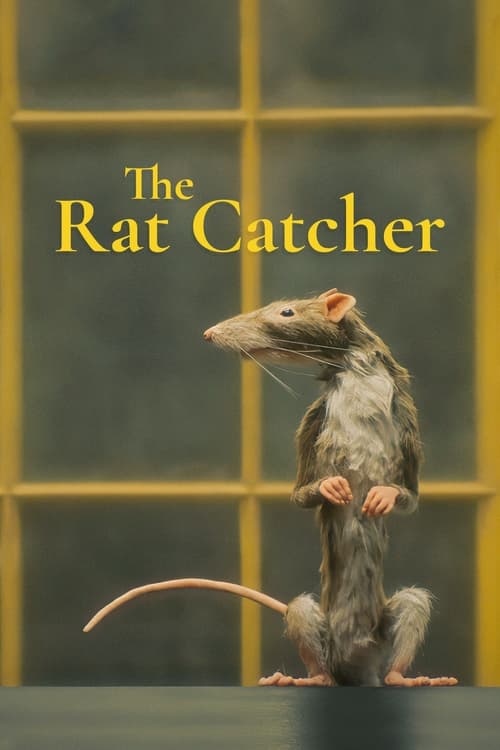
The Rat Catcher
2023 · Directed by Wes Anderson
Ultra Based
Consciousness Score: 0%
Representation Casting
Score: 0/100
The cast consists entirely of men with no apparent attention to demographic representation. Casting appears based solely on actor availability and Anderson's established relationships.
LGBTQ+ Themes
Score: 0/100
No LGBTQ+ themes, characters, or references are present in this short film about a ratcatcher's monologue.
Feminist Agenda
Score: 0/100
The film contains no female characters and makes no engagement with feminist themes or gender dynamics.
Racial Consciousness
Score: 0/100
There is no exploration of race, ethnicity, or racial dynamics in this abstract comedy about pest control.
Climate Crusade
Score: 0/100
Despite involving a ratcatcher, the film makes no environmental or climate-related commentary of any kind.
Eat the Rich
Score: 0/100
No critique of capitalism, wealth inequality, or economic systems appears in the film's narrative or themes.
Body Positivity
Score: 0/100
The film contains no body-related commentary or celebration of diverse body types and appearances.
Neurodivergence
Score: 0/100
There is no representation of neurodivergent characters or engagement with neurodiversity as a theme.
Revisionist History
Score: 0/100
The film makes no attempt to reexamine historical narratives or challenge conventional historical interpretations.
Lecture Energy
Score: 0/100
While the ratcatcher does explain his methodology, this is presented as absurdist comedy rather than as preachy instruction or moral lesson.


Synopsis
In an English village, a reporter and a mechanic listen to a ratcatcher explain his clever plan to outwit his prey.
Consciousness Assessment
Wes Anderson's "The Rat Catcher" is a brief, carefully composed exercise in absurdist storytelling that treats its premise with the gravity of a Restoration comedy. Two men listen to a ratcatcher's elaborate exposition about his methodology, and that is essentially the entire narrative. The film is so aesthetically controlled, so devoted to the architecture of its symmetrical frames and muted color palette, that any social commentary dissolves into formal precision. Anderson has always been more interested in the geometry of the frame than the politics of the world.
This short film contains no identifiable progressive social consciousness whatsoever. The cast consists of men with European names, the setting is a generic English village, and the entire affair is so concerned with narrative abstraction that questions of representation never arise. There is no discussion of identity, no examination of systems of power, and no attempt to interrogate anything beyond the immediate absurdity of its premise. Anderson's aesthetic hermeticism actually functions as a kind of barrier against contemporary cultural preoccupations.
The film represents the exact opposite impulse of what contemporary progressive sensibilities demand: instead of visibility, amplification, and preachy engagement with social structures, we get opacity, formal withdrawal, and a stubborn commitment to style over substance. One might call this a relief or a failure depending on one's temperament, but from the standpoint of cultural consciousness assessment, it registers as a near-total absence.
Analysis generated by our Consciousness Algorithm
Consciousness Markers
The cast consists entirely of men with no apparent attention to demographic representation. Casting appears based solely on actor availability and Anderson's established relationships.
No LGBTQ+ themes, characters, or references are present in this short film about a ratcatcher's monologue.
The film contains no female characters and makes no engagement with feminist themes or gender dynamics.
There is no exploration of race, ethnicity, or racial dynamics in this abstract comedy about pest control.
Despite involving a ratcatcher, the film makes no environmental or climate-related commentary of any kind.
No critique of capitalism, wealth inequality, or economic systems appears in the film's narrative or themes.
The film contains no body-related commentary or celebration of diverse body types and appearances.
There is no representation of neurodivergent characters or engagement with neurodiversity as a theme.
The film makes no attempt to reexamine historical narratives or challenge conventional historical interpretations.
While the ratcatcher does explain his methodology, this is presented as absurdist comedy rather than as preachy instruction or moral lesson.