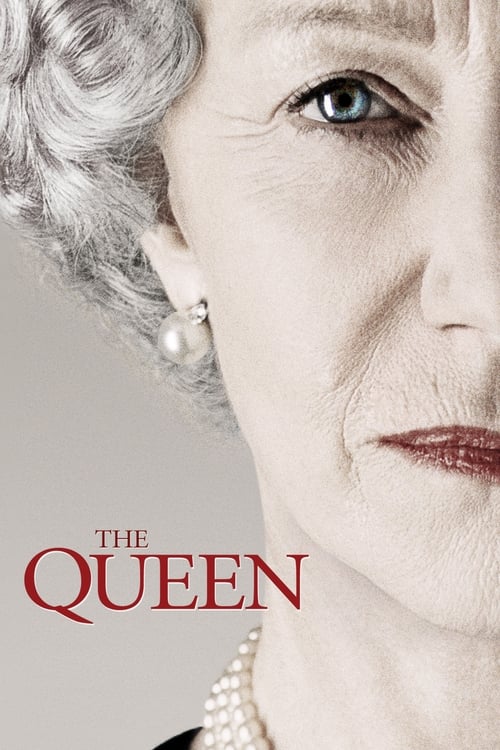
The Queen
2006 · Directed by Stephen Frears
Woke Score
CriticCritic Score
Audience
Ultra Based
Critics rated this 86 points above its woke score. Among Ultra Based films, this critic score ranks #132 of 1469.
Representation Casting
Score: 2/100
The film features a predominantly white British cast reflecting the historical context of the monarchy and British political establishment. The female lead is historically appropriate but reflects no contemporary casting consciousness or diversity considerations.
LGBTQ+ Themes
Score: 0/100
No LGBTQ+ themes, characters, or representation are present in the film.
Feminist Agenda
Score: 3/100
While the Queen is a female protagonist, the film does not engage with feminist critique or analysis. The narrative treats her primarily as an individual navigating institutional pressures rather than as a woman confronting gender-based constraints.
Racial Consciousness
Score: 0/100
No racial consciousness or examination of race-related themes appears in the film.
Climate Crusade
Score: 0/100
No climate-related themes or environmental consciousness is present in the narrative.
Eat the Rich
Score: 0/100
No anti-capitalist sentiment, critique of wealth inequality, or examination of economic systems appears in the film.
Body Positivity
Score: 0/100
No body positivity discourse, commentary on appearance standards, or related themes are present.
Neurodivergence
Score: 0/100
No representation of neurodivergence or discussion of neurological diversity appears in the film.
Revisionist History
Score: 0/100
The film presents a dramatized but conventional historical narrative without revisionist reinterpretation of historical events or perspectives.
Lecture Energy
Score: 5/100
While the film does not explicitly lecture, it contains moments where characters articulate moral positions about public sentiment and institutional responsibility. However, this remains largely integrated into dramatic dialogue rather than preachy exposition.


Synopsis
The Queen is an intimate behind the scenes glimpse at the interaction between HM Elizabeth II and Prime Minister Tony Blair during their struggle, following the death of Diana, to reach a compromise between what was a private tragedy for the Royal family and the public's demand for an overt display of mourning.
Consciousness Assessment
The Queen (2006) is a historical drama centered on the British monarchy's internal conflict following Princess Diana's death in 1997. Helen Mirren's acclaimed performance was Oscar-nominated, and the film presents Elizabeth II as a reluctant figure learning to adapt to modern public sentiment, though the narrative privileges institutional continuity over systemic critique. The film's progressive sensibilities are modest and largely incidental to its dramatic framework.
Regarding the specific markers of contemporary progressive consciousness, The Queen demonstrates minimal engagement. The representation of women is present through the central figure of the Queen, but this reflects historical reality rather than contemporary casting consciousness. The film contains no meaningful LGBTQ+ content, feminist deconstruction, explicit racial consciousness, climate themes, anti-capitalist sentiment, body positivity discourse, neurodivergence representation, historical revisionism, or lecture-oriented moral instruction.
The film's cultural positioning is conservative in its sensibilities. It presents the tension between public mourning demands and royal protocol as a human drama between individuals rather than a critique of institutional power or social hierarchy. Tony Blair functions as a sympathetic modernizer, but the film's ultimate resolution involves the monarchy adapting pragmatically to public expectations, not surrendering any structural authority. The emotional core rests on Elizabeth II's personal growth and humanity, which operates entirely within the register of character study rather than social analysis.
Analysis generated by our Consciousness Algorithm
Critic Reviews
“The Queen is the most reverent irreverent comedy imaginable. Or maybe it's the most irreverent reverent comedy. Either way, it's a small masterpiece.”
“A sublimely nimble evisceration of that cult of celebrity known as the British royal family.”
“Helen Mirren gives the mostly subtly expressive performance based on a living historical figure that I've ever seen.”
“How could Frears and his cast rise above the sins of the miniseries? One answer is the force of that cast...The other thing that rescues and refines The Queen is one of the basic bonuses of moviegoing, more familiar of late from documentaries like "Touching the Void" and "Capturing the Friedmans": you come out arguing.”
Consciousness Markers
The film features a predominantly white British cast reflecting the historical context of the monarchy and British political establishment. The female lead is historically appropriate but reflects no contemporary casting consciousness or diversity considerations.
No LGBTQ+ themes, characters, or representation are present in the film.
While the Queen is a female protagonist, the film does not engage with feminist critique or analysis. The narrative treats her primarily as an individual navigating institutional pressures rather than as a woman confronting gender-based constraints.
No racial consciousness or examination of race-related themes appears in the film.
No climate-related themes or environmental consciousness is present in the narrative.
No anti-capitalist sentiment, critique of wealth inequality, or examination of economic systems appears in the film.
No body positivity discourse, commentary on appearance standards, or related themes are present.
No representation of neurodivergence or discussion of neurological diversity appears in the film.
The film presents a dramatized but conventional historical narrative without revisionist reinterpretation of historical events or perspectives.
While the film does not explicitly lecture, it contains moments where characters articulate moral positions about public sentiment and institutional responsibility. However, this remains largely integrated into dramatic dialogue rather than preachy exposition.