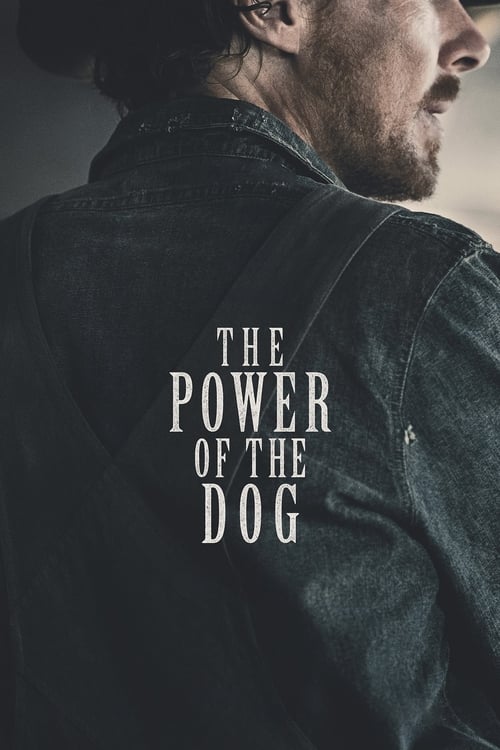
The Power of the Dog
2021 · Directed by Jane Campion
Woke Score
CriticCritic Score
Audience
Woke-Adjacent
Critics rated this 37 points above its woke score. Among Woke-Adjacent films, this critic score ranks #10 of 151.
Representation Casting
Score: 45/100
The cast features a woman director (Jane Campion) and includes Kirsten Dunst in a prominent role, though the narrative privileges male psychology and perspectives. Female characters are present but subordinate to the male characters' arcs.
LGBTQ+ Themes
Score: 68/100
The film's central subtext involves repressed male sexuality and homoeroticism expressed through violence and domination. The revelation of hidden desire is thematic but presented as tragedy rather than liberation or affirmation.
Feminist Agenda
Score: 35/100
While the film depicts female suffering and includes a woman director, the narrative structure prioritizes male psychology and conflicts. Female characters' agency is limited, and their experiences serve primarily to illuminate male emotional dynamics.
Racial Consciousness
Score: 0/100
The film contains no discernible engagement with racial themes, racial consciousness, or racial representation beyond casting. The 1920s Montana setting is presented without commentary on Indigenous peoples or racial structures.
Climate Crusade
Score: 0/100
There is no evidence of climate activism, environmental consciousness, or climate-related themes in the film. The landscape functions as setting and mood rather than as a subject of ecological concern.
Eat the Rich
Score: 15/100
The ranching economy is depicted, but the film's critique focuses on personal psychology and power dynamics rather than capitalist structures or economic systems. No systemic economic critique is evident.
Body Positivity
Score: 0/100
The film contains no engagement with body positivity, disability representation, or body-related social consciousness. Physical bodies function as objects of aesthetic composition rather than sites of progressive commentary.
Neurodivergence
Score: 0/100
There is no representation of or commentary regarding neurodivergence, mental disability, or neurodivergent experience. Character psychology is explored but not through a neurodivergent lens.
Revisionist History
Score: 25/100
The film adapts a 1967 novel and maintains period setting without attempting to rewrite historical record. The modernist sensibility applied to 1920s masculine codes suggests contemporary values but does not constitute revisionist history.
Lecture Energy
Score: 30/100
Campion's direction maintains artistic restraint and allows ambiguity to persist. The film trusts viewers to interpret its themes rather than explicitly instructing them, though the psychological deconstruction of masculinity is thematically insistent.


Synopsis
A domineering but charismatic rancher wages a war of intimidation on his brother's new wife and her teen son, until long-hidden secrets come to light.
Consciousness Assessment
Jane Campion's gothic western arrives with the self-satisfied gravitas of a film that believes it has discovered something profound about masculinity, and to be fair, the film does grapple with the performance of toxic male domination with considerable intelligence. The narrative centers on the psychological destruction wrought by a rancher's cruelty and the revelation of repressed desire as the engine of his violence. This is not subtle work, but it is effective, and Campion marshals her considerable formal control to make the audience complicit in the rancher's perspective before systematically dismantling it.
What elevates this from mere thematic correctness is the film's refusal to offer easy moral resolution. The hidden sexuality at the film's core exists not as a progressive talking point but as a source of genuine tragedy, a man undone by the gap between his desires and the social structures that demand their suppression. The cinematography, the performances, and the narrative structure all serve this central preoccupation. Kirsten Dunst's character functions as a vehicle for observing masculine performance, and her own suffering matters primarily as it illuminates the men's psychological warfare. The film takes its examination of gender performance seriously without lecturing.
However, the film's progressive credentials rest almost entirely on its deconstruction of toxic masculinity and its subtext regarding sexual repression. The female characters, while competently rendered, exist primarily as witnesses to male psychological drama. The narrative universe is fundamentally about men and their interior lives. The film earns its moderate progressive score through thematic commitment and artistic sophistication, but it remains a work more interested in psychological archaeology than in the systematic reconstruction of social consciousness.
Analysis generated by our Consciousness Algorithm
Critic Reviews
“The Power of the Dog sticks its teeth into you so fast and furtively that you may not feel the sting on your skin until after the credits roll, but the delayed bite of the film’s ending doesn’t stop it from leaving behind a well-earned scar.”
“The film is often hard to watch, but Campion and her uniformly excellent cast leaven the discomfort with a constant sense of prickling intrigue around what precisely we are watching play out here, and how far the ritual will go. ”
“This is an exquisitely crafted film, its unhurried rhythms continually shifting as plangent notes of melancholy, solitude, torment, jealousy and resentment surface. Campion is in full control of her material, digging deep into the turbulent inner life of each of her characters with unerring subtlety.”
“Insisting on the significance of its themes, the film dispenses one emotion at a time while it creates a pervasive atmosphere of dread. Yet there’s no air in the atmosphere, not much life in the brooding landscapes.”
Consciousness Markers
The cast features a woman director (Jane Campion) and includes Kirsten Dunst in a prominent role, though the narrative privileges male psychology and perspectives. Female characters are present but subordinate to the male characters' arcs.
The film's central subtext involves repressed male sexuality and homoeroticism expressed through violence and domination. The revelation of hidden desire is thematic but presented as tragedy rather than liberation or affirmation.
While the film depicts female suffering and includes a woman director, the narrative structure prioritizes male psychology and conflicts. Female characters' agency is limited, and their experiences serve primarily to illuminate male emotional dynamics.
The film contains no discernible engagement with racial themes, racial consciousness, or racial representation beyond casting. The 1920s Montana setting is presented without commentary on Indigenous peoples or racial structures.
There is no evidence of climate activism, environmental consciousness, or climate-related themes in the film. The landscape functions as setting and mood rather than as a subject of ecological concern.
The ranching economy is depicted, but the film's critique focuses on personal psychology and power dynamics rather than capitalist structures or economic systems. No systemic economic critique is evident.
The film contains no engagement with body positivity, disability representation, or body-related social consciousness. Physical bodies function as objects of aesthetic composition rather than sites of progressive commentary.
There is no representation of or commentary regarding neurodivergence, mental disability, or neurodivergent experience. Character psychology is explored but not through a neurodivergent lens.
The film adapts a 1967 novel and maintains period setting without attempting to rewrite historical record. The modernist sensibility applied to 1920s masculine codes suggests contemporary values but does not constitute revisionist history.
Campion's direction maintains artistic restraint and allows ambiguity to persist. The film trusts viewers to interpret its themes rather than explicitly instructing them, though the psychological deconstruction of masculinity is thematically insistent.