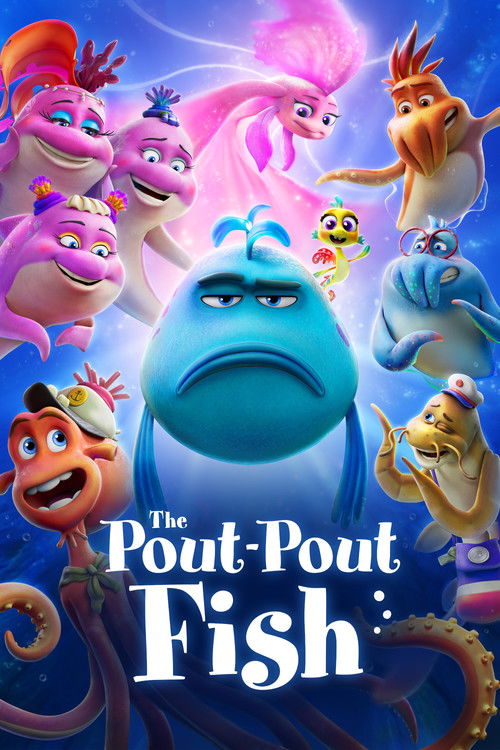
The Pout-Pout Fish
2026 · Directed by Ricard Cussó · $1.3M domestic
Based
Consciousness Score: 32%
Representation Casting
Score: 35/100
The voice cast includes performers from diverse backgrounds, but since the characters are animated sea creatures, their ethnicity has no narrative bearing. The casting appears international and inclusive without becoming a plot point.
LGBTQ+ Themes
Score: 0/100
No LGBTQ+ themes, representation, or subtext present in the film. The relationships depicted are either familial or based on friendship between the two protagonists.
Feminist Agenda
Score: 15/100
The cast includes female characters such as Jordin Sparks and Amy Sedaris, but their roles appear incidental to the narrative rather than vehicles for feminist commentary. No apparent agenda regarding gender roles or female empowerment.
Racial Consciousness
Score: 20/100
While the voice cast is internationally diverse, the film contains no racial themes, commentary, or consciousness. The characters are fish, rendering racial identity narratively irrelevant.
Climate Crusade
Score: 25/100
The film's setting in an underwater world might suggest environmental awareness, but the narrative does not engage with climate crisis or environmental destruction as themes. The shipwreck setting is merely aesthetic.
Eat the Rich
Score: 10/100
No anti-capitalist messaging or critique of economic systems appears in the film. The plot involves two characters trying to repair their homes through a magical quest, not through systemic analysis or resource redistribution.
Body Positivity
Score: 30/100
The animated fish characters display varied shapes and sizes, though this reflects marine biodiversity rather than deliberate body positivity messaging. No commentary on appearance, weight, or physical form is present.
Neurodivergence
Score: 20/100
Mr. Fish's introversion and grumpiness might superficially suggest neurodivergent representation, but the film treats these as personality traits rather than neurological conditions. No authentic representation of neurodivergence emerges.
Revisionist History
Score: 0/100
This is a fantasy film about fictional sea creatures. No historical events, periods, or narratives are depicted or reinterpreted.
Lecture Energy
Score: 25/100
The film conveys messages about friendship, community, and persistence, but these emerge from plot and character rather than through didactic speeches or heavy-handed moralizing. The tone remains relatively light and playful.
Synopsis
Living on a rundown shipwreck, Mr. Fish one day discovers a hyperactive young sea dragon Pip – who had mistaken his home for a junkyard – pilfering his belongings. The heated argument that ensues leaves both their houses in ruin. But there is hope. Embarking on a seemingly impossible quest in search of the mythical 'Shimmer' to grant them a wish, there's only one problem: someone else is on the hunt.
Consciousness Assessment
The Pout-Pout Fish arrives as a competently animated children's film that manages the difficult task of adapting beloved source material without catastrophic failure. The underwater world displays the requisite contemporary animation polish, all saturated colors and soft glowing corals, though the narrative itself proves thin and predictable. Nick Offerman's deadpan delivery as the titular grump provides the film's primary entertainment value, while the larger ensemble voice cast suggests an international production designed to appeal across multiple markets.
The film's social consciousness remains admirably subdued for a 2026 release. The voice cast includes performers of various backgrounds, though their ethnicity bears no narrative significance because the characters are, mercifully, animated fish. The story centers on friendship and community cooperation without descending into heavy-handed messaging about these themes. A sea dragon protagonist and a reclusive fish finding common ground might read as diversity representation in other contexts, but here it functions simply as character contrast. The film makes no apparent effort to lecture audiences on acceptance or belonging.
Where The Pout-Pout Fish demonstrates restraint, it earns modest credit. The humor skews toward wordplay and sarcasm rather than didactic commentary. The message about self-expression and bravery emerges organically from plot rather than being imposed upon it. For a contemporary animated feature aimed at elementary-aged children, this represents a refreshing absence of the cultural preening that has become standard in the genre. The film knows what it is: a moderately entertaining adaptation of a children's book, nothing more, nothing less.
Analysis generated by our Consciousness Algorithm
Consciousness Markers
The voice cast includes performers from diverse backgrounds, but since the characters are animated sea creatures, their ethnicity has no narrative bearing. The casting appears international and inclusive without becoming a plot point.
No LGBTQ+ themes, representation, or subtext present in the film. The relationships depicted are either familial or based on friendship between the two protagonists.
The cast includes female characters such as Jordin Sparks and Amy Sedaris, but their roles appear incidental to the narrative rather than vehicles for feminist commentary. No apparent agenda regarding gender roles or female empowerment.
While the voice cast is internationally diverse, the film contains no racial themes, commentary, or consciousness. The characters are fish, rendering racial identity narratively irrelevant.
The film's setting in an underwater world might suggest environmental awareness, but the narrative does not engage with climate crisis or environmental destruction as themes. The shipwreck setting is merely aesthetic.
No anti-capitalist messaging or critique of economic systems appears in the film. The plot involves two characters trying to repair their homes through a magical quest, not through systemic analysis or resource redistribution.
The animated fish characters display varied shapes and sizes, though this reflects marine biodiversity rather than deliberate body positivity messaging. No commentary on appearance, weight, or physical form is present.
Mr. Fish's introversion and grumpiness might superficially suggest neurodivergent representation, but the film treats these as personality traits rather than neurological conditions. No authentic representation of neurodivergence emerges.
This is a fantasy film about fictional sea creatures. No historical events, periods, or narratives are depicted or reinterpreted.
The film conveys messages about friendship, community, and persistence, but these emerge from plot and character rather than through didactic speeches or heavy-handed moralizing. The tone remains relatively light and playful.