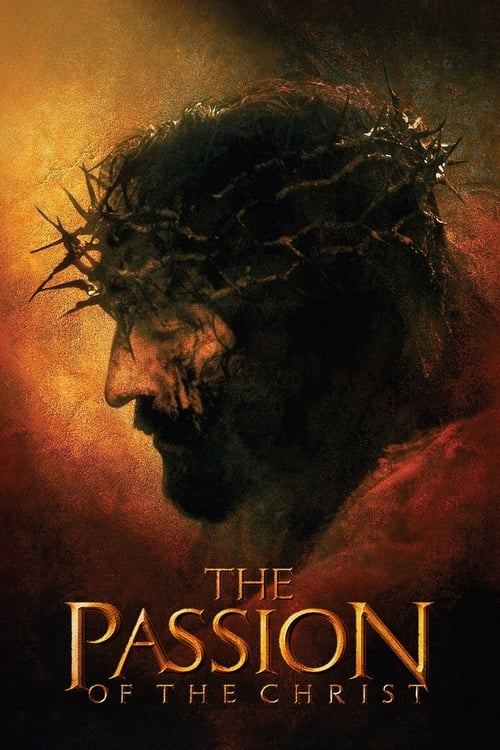
The Passion of the Christ
2004 · Directed by Mel Gibson
Woke Score
CriticCritic Score
Audience
Ultra Based
Critics rated this 43 points above its woke score. Among Ultra Based films, this critic score ranks #1227 of 1469.
Representation Casting
Score: 15/100
The cast is assembled primarily for theological and linguistic authenticity rather than demographic representation. No meaningful effort is made to diversify beyond historical or cultural appropriateness for the narrative.
LGBTQ+ Themes
Score: 0/100
No LGBTQ+ representation or themes are present. The film adheres strictly to religious orthodoxy with no exploration of alternative identities or relationships.
Feminist Agenda
Score: 5/100
Female characters are portrayed as passive witnesses to male suffering. Mary is rendered as a figure of maternal grief rather than active agency, reflecting pre-modern gender dynamics.
Racial Consciousness
Score: 10/100
The film makes no attempt at racial consciousness or commentary. Casting appears based on availability and linguistic requirements rather than any awareness of systemic representation.
Climate Crusade
Score: 0/100
Climate concerns are entirely absent from the film's thematic concerns. The narrative is situated in ancient Judea with no environmental consciousness whatsoever.
Eat the Rich
Score: 0/100
While the film depicts religious persecution, it contains no anti-capitalist sentiment or critique of economic systems. The narrative is purely theological.
Body Positivity
Score: 5/100
The film's obsessive focus on bodily torture and suffering could be interpreted as a kind of body horror, though this is not the intended reading. Bodies are presented as vessels for spiritual torment.
Neurodivergence
Score: 0/100
No representation of neurodivergent characters or experiences. Mental health or neurological difference is never addressed within the film's framework.
Revisionist History
Score: 20/100
The film presents a specific theological interpretation of biblical events as historical fact, though this reflects religious tradition rather than modern revisionist sensibilities. The portrayal of Jewish authorities has been criticized as reinforcing historical antisemitic tropes.
Lecture Energy
Score: 25/100
While the film contains minimal dialogue, its visual language functions as a kind of sermon through suffering. The relentless focus on pain carries an implicit moral message about redemption and sacrifice.


Synopsis
A graphic portrayal of the last twelve hours of Jesus of Nazareth's life.
Consciousness Assessment
The Passion of the Christ exists in a curious temporal and ideological space. Released in 2004, it predates the crystallization of modern progressive cultural markers by a full decade, which one might think would exempt it from scrutiny. Yet Mel Gibson's relentless focus on graphic suffering and bodily torment, presented with an almost liturgical intensity, creates an accidental proximity to certain contemporary sensibilities around trauma representation and the spectacularization of violence. The film's visual language, for all its theological intent, resembles nothing so much as a grim exercise in documenting pain, which some contemporary viewers have read through a lens of body horror and visceral authenticity.
What saves this film from higher marks is its fundamental disinterest in the modern markers of progressive consciousness. There is no racial consciousness on display, no climate crusade, no anti-capitalist sentiment, no neurodivergence representation, and certainly no lecture energy about social systems. The female characters, notably Maia Morgenstern as Mary, are rendered with a kind of medieval piety that would horrify contemporary feminist sensibilities, their agency confined to witnessing and suffering. The film's approach to casting privileges theological and linguistic authenticity over demographic representation, and its narrative structure is, of course, entirely devoted to reinforcing Christian orthodoxy rather than challenging any existing power structure.
Yet the film does possess a certain unintentional gravitas that transcends its era. The sheer commitment to aesthetic suffering, the refusal to look away from bodily pain, and the non-English dialogue create a kind of artistic austerity that some progressive viewers have found oddly compelling. The film does not condescend to its audience, and there is something almost radical in that refusal to simplify or sentimentalize. This is not a film that apologizes for its vision. Whether that vision aligns with contemporary values is, of course, entirely beside the point.
Analysis generated by our Consciousness Algorithm
Critic Reviews
“This is not a sermon or a homily, but a visualization of the central event in the Christian religion. Take it or leave it. ”
“Gibson has made a big, bold, nightmarishly beautiful film not just about the dawn of the Christian faith, but about the awful tendency of human communities (wherever and whenever in the world they may exist) toward self-preservation, intolerance and mob rule. ”
“A gripping, powerful motion picture -- arguably the most forceful depiction of Jesus' death ever to be committed to film. It leaves an indelible imprint on the psyche; viewers of this movie may never look at a crucifix in quite the same way. ”
“If I were a Christian, I'd be appalled to have this primitive and pornographic bloodbath presume to speak for me. ”
Consciousness Markers
The cast is assembled primarily for theological and linguistic authenticity rather than demographic representation. No meaningful effort is made to diversify beyond historical or cultural appropriateness for the narrative.
No LGBTQ+ representation or themes are present. The film adheres strictly to religious orthodoxy with no exploration of alternative identities or relationships.
Female characters are portrayed as passive witnesses to male suffering. Mary is rendered as a figure of maternal grief rather than active agency, reflecting pre-modern gender dynamics.
The film makes no attempt at racial consciousness or commentary. Casting appears based on availability and linguistic requirements rather than any awareness of systemic representation.
Climate concerns are entirely absent from the film's thematic concerns. The narrative is situated in ancient Judea with no environmental consciousness whatsoever.
While the film depicts religious persecution, it contains no anti-capitalist sentiment or critique of economic systems. The narrative is purely theological.
The film's obsessive focus on bodily torture and suffering could be interpreted as a kind of body horror, though this is not the intended reading. Bodies are presented as vessels for spiritual torment.
No representation of neurodivergent characters or experiences. Mental health or neurological difference is never addressed within the film's framework.
The film presents a specific theological interpretation of biblical events as historical fact, though this reflects religious tradition rather than modern revisionist sensibilities. The portrayal of Jewish authorities has been criticized as reinforcing historical antisemitic tropes.
While the film contains minimal dialogue, its visual language functions as a kind of sermon through suffering. The relentless focus on pain carries an implicit moral message about redemption and sacrifice.