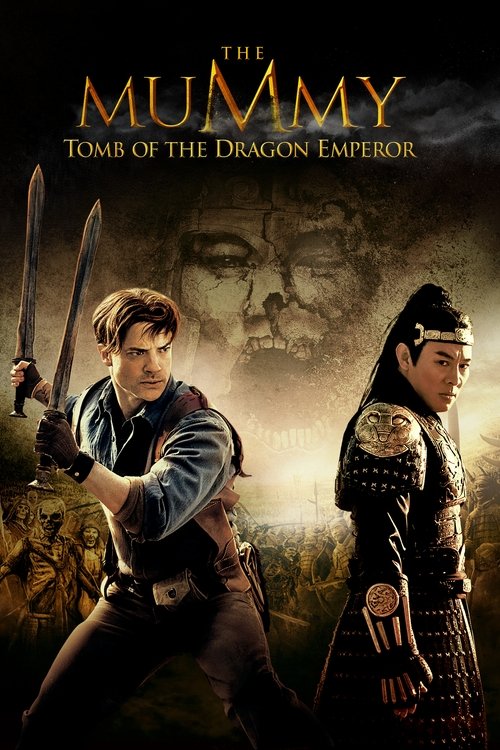
The Mummy: Tomb of the Dragon Emperor
2008 · Directed by Rob Cohen
Woke Score
CriticCritic Score
Audience
Ultra Based
Critics rated this 27 points above its woke score. Among Ultra Based films, this critic score ranks #1427 of 1469.
Representation Casting
Score: 25/100
The film features prominent Asian actors like Michelle Yeoh and Jet Li, but casts them in supporting roles while Brendan Fraser remains the white protagonist driving the narrative. This represents a classic white savior dynamic in an Asian setting.
LGBTQ+ Themes
Score: 0/100
No LGBTQ+ representation, themes, or characters present in the film.
Feminist Agenda
Score: 15/100
Maria Bello plays Rick's wife Evelyn with some agency, but the narrative remains male-centered and the film does not engage with feminist themes or perspectives.
Racial Consciousness
Score: 20/100
The film exhibits problematic racial dynamics by using Chinese culture and history as exotic backdrop for adventure rather than respectfully engaging with it. Asian characters are largely antagonists or supporting figures.
Climate Crusade
Score: 0/100
No environmental themes, climate consciousness, or ecological messaging present in the film.
Eat the Rich
Score: 0/100
No anti-capitalist messaging or critique of economic systems present in the film.
Body Positivity
Score: 0/100
No body positivity messaging or representation of diverse body types in a body-positive context.
Neurodivergence
Score: 0/100
No representation of neurodivergent characters or engagement with neurodiversity themes.
Revisionist History
Score: 10/100
The film takes significant liberties with Chinese history and mythology, presenting them as fantastical adventure fodder. This is exoticization rather than revisionist history per se, but involves casual distortion of historical and cultural material.
Lecture Energy
Score: 0/100
The film is purely concerned with action and entertainment spectacle, with no progressive messaging or preachy intent.


Synopsis
Archaeologist Rick O'Connell travels to China, pitting him against an emperor from the 2,000-year-old Han dynasty who's returned from the dead to pursue a quest for world domination. This time, O'Connell enlists the help of his wife and son to quash the so-called 'Dragon Emperor' and his abuse of supernatural power.
Consciousness Assessment
The Mummy: Tomb of the Dragon Emperor presents itself as a globe-trotting adventure that happens to be set in China, though one would be forgiven for suspecting the setting was chosen primarily for its exotic visual appeal rather than any meaningful engagement with the culture being depicted. The film assembles an impressive roster of Asian talent, with Michelle Yeoh and Jet Li commanding their respective scenes, yet both remain firmly in supporting positions while Brendan Fraser's white American archaeologist occupies the narrative center. This is not incidental casting but structural, a choice that replicates the colonial logic of the adventure genre itself.
The film's relationship to Chinese history and mythology is one of casual appropriation. The Han dynasty, the Dragon Emperor mythology, and ancient Chinese warfare become mere set dressing for action sequences, divorced from any serious cultural context or respect. The antagonists are largely Chinese, which is to say that Asian characters are positioned as obstacles for the white protagonist to overcome. There is no examination of power dynamics, no interrogation of these choices, and no progressive consciousness on display. The production values are high and the entertainment value genuine, but these qualities exist in service of a fundamentally conservative narrative structure.
What emerges is a film that, by the standards of 2008, simply does not attempt to grapple with social consciousness. It is a straightforward adventure spectacle that uses the aesthetics of Asian cultures without the responsibility of representation. The presence of accomplished Asian actors does not redeem the underlying architecture of the narrative, which remains unchanged from the colonial adventure stories that preceded it. This is not malice, merely indifference.
Analysis generated by our Consciousness Algorithm
Critic Reviews
“Now why did I like this movie? It was just plain dumb fun, is why. It is absurd and preposterous, and proud of it.”
“Dragon Emperor succeeds largely through sheer excess: It's doubtful that any idea was thrown out for being too implausible.”
“Anyone in the market for an overblown and totally mindless adventure-comedy will certainly get his money's worth.”
“Little more than a cluttered, noisy, and unsatisfying thrill ride to nowhere.”
Consciousness Markers
The film features prominent Asian actors like Michelle Yeoh and Jet Li, but casts them in supporting roles while Brendan Fraser remains the white protagonist driving the narrative. This represents a classic white savior dynamic in an Asian setting.
No LGBTQ+ representation, themes, or characters present in the film.
Maria Bello plays Rick's wife Evelyn with some agency, but the narrative remains male-centered and the film does not engage with feminist themes or perspectives.
The film exhibits problematic racial dynamics by using Chinese culture and history as exotic backdrop for adventure rather than respectfully engaging with it. Asian characters are largely antagonists or supporting figures.
No environmental themes, climate consciousness, or ecological messaging present in the film.
No anti-capitalist messaging or critique of economic systems present in the film.
No body positivity messaging or representation of diverse body types in a body-positive context.
No representation of neurodivergent characters or engagement with neurodiversity themes.
The film takes significant liberties with Chinese history and mythology, presenting them as fantastical adventure fodder. This is exoticization rather than revisionist history per se, but involves casual distortion of historical and cultural material.
The film is purely concerned with action and entertainment spectacle, with no progressive messaging or preachy intent.