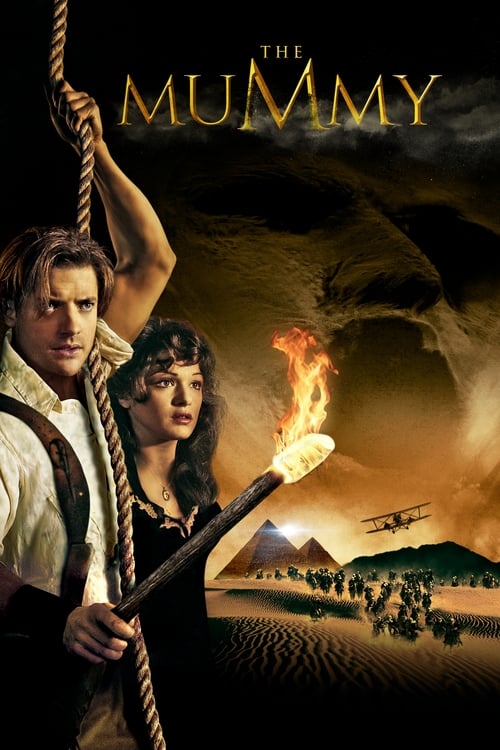
The Mummy
1999 · Directed by Stephen Sommers
Woke Score
CriticCritic Score
Audience
Ultra Based
Critics rated this 30 points above its woke score. Among Ultra Based films, this critic score ranks #1214 of 1469.
Representation Casting
Score: 25/100
The cast is predominantly white in a Middle Eastern setting. Egyptian characters exist primarily as background or stereotypical roles, with limited agency or complexity.
LGBTQ+ Themes
Score: 0/100
No LGBTQ+ themes, representation, or subtext present in the film.
Feminist Agenda
Score: 35/100
Evelyn Carnahan is competent and capable, but her character arc remains subordinate to the male protagonist and traditional romance narrative.
Racial Consciousness
Score: 5/100
The film exhibits orientalist stereotypes and colonial attitudes without critique or self-awareness. Egyptian characters lack agency and complexity.
Climate Crusade
Score: 0/100
No climate themes or environmental consciousness present in the film.
Eat the Rich
Score: 0/100
The film celebrates treasure hunting and artifact acquisition without questioning the ethics of cultural appropriation or colonial plunder.
Body Positivity
Score: 0/100
No body positivity themes or inclusive representation of diverse body types present.
Neurodivergence
Score: 0/100
No neurodivergent representation or themes present in the film.
Revisionist History
Score: 10/100
While the film takes creative liberties with Egyptian mythology and archaeology, it does not rewrite recent history with progressive intent.
Lecture Energy
Score: 20/100
The film presents orientalist assumptions about Egypt and Middle Eastern culture as natural backdrop rather than explicit messaging, creating subtle rather than overt preachiness.


Synopsis
Dashing legionnaire Rick O'Connell stumbles upon the hidden ruins of Hamunaptra while in the midst of a battle to claim the area in 1920s Egypt. It has been over three thousand years since former High Priest Imhotep suffered a fate worse than death as a punishment for a forbidden love—along with a curse that guarantees eternal doom upon the world if he is ever awoken.
Consciousness Assessment
The Mummy presents itself as a straightforward adventure romp, and in that capacity it succeeds admirably. What it does not do is grapple with the colonial framework upon which its entire narrative rests. Set in 1920s Egypt under British occupation, the film centers white Western adventurers plundering ancient tombs while the native population functions primarily as background decoration or comedic relief. The Egyptian antagonist Imhotep, though played by South African actor Arnold Vosloo, is rendered as a supernatural threat rather than a character with genuine agency or complexity. His motivations, rooted in a forbidden love, receive far less screen time and development than the romantic subplot between the two Western leads.
The film's treatment of Evelyn Carnahan deserves acknowledgment. Rachel Weisz portrays a capable, intelligent woman who holds her own in an action narrative, evolving from bumbling librarian to competent adventurer. Yet even this relatively progressive character arc operates within the constraints of a traditional romance framework, her agency ultimately serving the larger love story rather than standing independently. The script grants her wit and competence, but these qualities exist in service to the male protagonist's journey.
The Mummy is entertaining precisely because it indulges in the fantasy of consequence-free treasure hunting in foreign lands. The film offers no critique of colonialism, no meaningful voice to the colonized, no interrogation of why Western characters possess moral authority to claim Egyptian artifacts. This reflects broader cultural attitudes of that era. The film does not seek to challenge these assumptions, and thus it cannot be said to possess progressive sensibilities in any meaningful way.
Analysis generated by our Consciousness Algorithm
Critic Reviews
“Digs up both laughs and chills from timeworn material.”
“Cheerful, slightly cheesy entertainment that uses the latest special-effects techniques to breathe life into a venerable film tradition.”
“Even if The Mummy is imitation Spielberg, it offers more bang for the buck than we're used to getting.”
Consciousness Markers
The cast is predominantly white in a Middle Eastern setting. Egyptian characters exist primarily as background or stereotypical roles, with limited agency or complexity.
No LGBTQ+ themes, representation, or subtext present in the film.
Evelyn Carnahan is competent and capable, but her character arc remains subordinate to the male protagonist and traditional romance narrative.
The film exhibits orientalist stereotypes and colonial attitudes without critique or self-awareness. Egyptian characters lack agency and complexity.
No climate themes or environmental consciousness present in the film.
The film celebrates treasure hunting and artifact acquisition without questioning the ethics of cultural appropriation or colonial plunder.
No body positivity themes or inclusive representation of diverse body types present.
No neurodivergent representation or themes present in the film.
While the film takes creative liberties with Egyptian mythology and archaeology, it does not rewrite recent history with progressive intent.
The film presents orientalist assumptions about Egypt and Middle Eastern culture as natural backdrop rather than explicit messaging, creating subtle rather than overt preachiness.