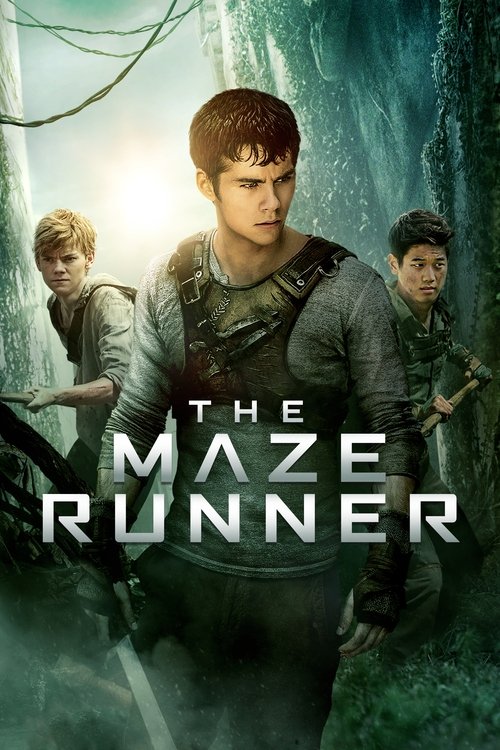
The Maze Runner
2014 · Directed by Wes Ball
Woke Score
CriticCritic Score
Audience
Ultra Based
Critics rated this 45 points above its woke score. Among Ultra Based films, this critic score ranks #984 of 1469.
Representation Casting
Score: 35/100
The cast includes Asian, Black, and other minority actors distributed throughout the ensemble, which reflects some diversity for 2014. However, this diversity appears incidental rather than deliberate, and receives no narrative or thematic emphasis whatsoever.
LGBTQ+ Themes
Score: 0/100
No LGBTQ+ characters, relationships, or themes are present in the film. The narrative contains no indication of sexual orientation or gender identity beyond heteronormative assumptions.
Feminist Agenda
Score: 15/100
The single significant female character, Teresa, is introduced late in the film primarily as a plot device and romantic interest. She exhibits minimal agency and operates within a male-dominated narrative structure that offers no feminist commentary or consciousness.
Racial Consciousness
Score: 0/100
Despite the diverse cast, the film contains no explicit exploration of race, racial identity, or racial dynamics. The racial composition of the ensemble appears coincidental rather than thematically intentional.
Climate Crusade
Score: 0/100
No climate-related themes, environmental messaging, or ecological consciousness appears in the film. The dystopian setting does not incorporate climate collapse or environmental degradation as narrative elements.
Eat the Rich
Score: 10/100
The film contains vague institutional critique regarding control and experimentation on human subjects, but this operates at a generic dystopian level rather than engaging with specific critiques of capitalism or economic systems.
Body Positivity
Score: 0/100
No body positivity messaging, celebration of diverse body types, or challenge to conventional beauty standards appears in the film. The narrative contains no relevant commentary on embodiment or physical identity.
Neurodivergence
Score: 0/100
No neurodivergent characters or representation appears in the film. Memory loss functions as a plot device rather than an exploration of neurological difference or disability.
Revisionist History
Score: 0/100
The film contains no historical setting or engagement with historical narrative. Its dystopian future setting does not reframe or reinterpret historical events through contemporary perspectives.
Lecture Energy
Score: 5/100
The film maintains a straightforward action-thriller tone with minimal exposition of ideology or moral instruction. Any thematic material emerges organically from plot rather than through preachy dialogue or speeches.


Synopsis
A teenager with no memory of his past finds himself among a group of boys living in a walled enclosure surrounded by a massive, ever-changing maze. As he struggles to adapt to their rules and society, he begins to uncover clues that may lead to escape and the truth behind their confinement.
Consciousness Assessment
The Maze Runner presents a curious case study in unintentional cultural documentation. Released in 2014, before contemporary social consciousness metrics had fully calcified into industry standard practice, the film features a genuinely diverse ensemble cast without ever pausing to comment upon or celebrate this diversity. Ki Hong Lee, Aml Ameen, and other minority actors populate the maze alongside their white counterparts as though such casting were simply the default, which in the world of commercial cinema it decidedly was not. Yet this diversity operates in service of a narrative architecture that remains fundamentally indifferent to questions of representation or progressive messaging.
The film's political consciousness, such as it exists, concerns itself with abstract themes of control, memory, and institutional power rather than the specific social anxieties that would come to dominate prestige filmmaking in the subsequent decade. Its single female character, Teresa, exists primarily as a plot device and romantic interest, awakening late in the film to remind the audience that women exist but offering little agency or development. The maze itself functions as a Rorschach test for various anxieties, but the film never translates these anxieties into explicit commentary about systemic inequality, environmental collapse, or any of the other cultural preoccupations that would later become shorthand for progressive filmmaking.
What we encounter here is a perfectly competent dystopian thriller that happens to employ a diverse cast and includes one woman, but neither choice reflects deliberate ideological commitment. The film is simply a product of 2014 commercial calculation and adaptation, innocent of the performative consciousness that would soon become standard practice. In the lexicon of modern cultural assessment, this constitutes a remarkably low score, not because the film is reactionary or hostile, but because it exists in a pre-conscious moment, before studios learned to weaponize representation as a marketing asset.
Analysis generated by our Consciousness Algorithm
Critic Reviews
“Beyond the visuals, what makes The Maze Runner so compelling is its attention-grabbing storyline.”
“Even if it doesn’t manage to be quite the "Hunger Games"-level hit its producers would clearly desire, it’s the best of the wannabes we’ve seen so far.”
“Wes Ball's background is in animation and effects, and he certainly has an eye for composition. Thankfully, he doesn't just lean on visual flash in his debut feature, the adaptation of the first of James Dashner's four books, and his skills allow him to build a convincing world around his appealing cast without losing them in it completely.”
“Fans of the novel might get some minor thrills from the big screen adaptation, but it's hard to understand what made the material so popular in the first place.”
Consciousness Markers
The cast includes Asian, Black, and other minority actors distributed throughout the ensemble, which reflects some diversity for 2014. However, this diversity appears incidental rather than deliberate, and receives no narrative or thematic emphasis whatsoever.
No LGBTQ+ characters, relationships, or themes are present in the film. The narrative contains no indication of sexual orientation or gender identity beyond heteronormative assumptions.
The single significant female character, Teresa, is introduced late in the film primarily as a plot device and romantic interest. She exhibits minimal agency and operates within a male-dominated narrative structure that offers no feminist commentary or consciousness.
Despite the diverse cast, the film contains no explicit exploration of race, racial identity, or racial dynamics. The racial composition of the ensemble appears coincidental rather than thematically intentional.
No climate-related themes, environmental messaging, or ecological consciousness appears in the film. The dystopian setting does not incorporate climate collapse or environmental degradation as narrative elements.
The film contains vague institutional critique regarding control and experimentation on human subjects, but this operates at a generic dystopian level rather than engaging with specific critiques of capitalism or economic systems.
No body positivity messaging, celebration of diverse body types, or challenge to conventional beauty standards appears in the film. The narrative contains no relevant commentary on embodiment or physical identity.
No neurodivergent characters or representation appears in the film. Memory loss functions as a plot device rather than an exploration of neurological difference or disability.
The film contains no historical setting or engagement with historical narrative. Its dystopian future setting does not reframe or reinterpret historical events through contemporary perspectives.
The film maintains a straightforward action-thriller tone with minimal exposition of ideology or moral instruction. Any thematic material emerges organically from plot rather than through preachy dialogue or speeches.