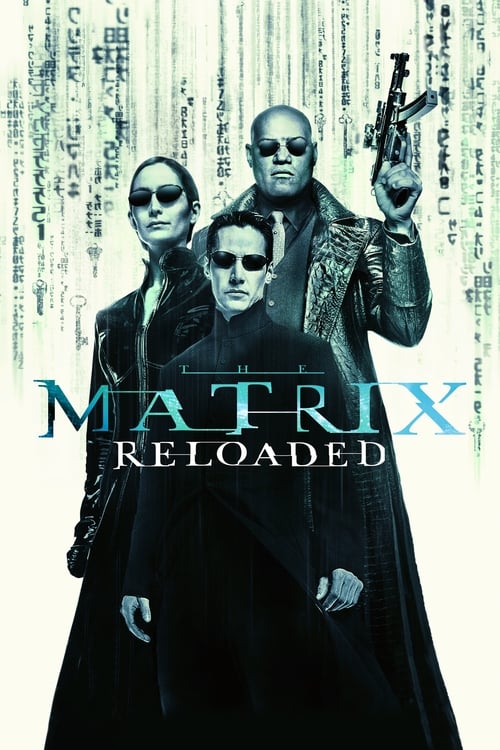
The Matrix Reloaded
2003 · Directed by Lilly Wachowski
Woke Score
CriticCritic Score
Audience
Based
Critics rated this 30 points above its woke score. Among Based films, this critic score ranks #228 of 345.
Representation Casting
Score: 55/100
The film features a genuinely diverse ensemble cast including Black actors, Asian actors, and women in action roles. This diversity appears organic to the narrative rather than explicitly foregrounded.
LGBTQ+ Themes
Score: 35/100
The film carries queer subtext inherited from the original, with ambiguous gender presentation and homoerotic undertones. However, these elements remain subtext rather than explicit themes or representation.
Feminist Agenda
Score: 40/100
Trinity functions as an action hero with agency and competence. Yet the film does not articulate a feminist thesis or particularly foreground gender dynamics as thematic material.
Racial Consciousness
Score: 20/100
While the cast includes actors of color in significant roles, the film contains no explicit racial consciousness or commentary on race as a thematic element.
Climate Crusade
Score: 0/100
The film contains no engagement with climate or environmental themes whatsoever.
Eat the Rich
Score: 25/100
The narrative involves resistance to systemic control, though this operates as metaphor for consciousness rather than as explicit critique of capitalism or economic systems.
Body Positivity
Score: 10/100
The film presents idealized, conventionally attractive bodies in action sequences. No engagement with body diversity or body positivity messaging.
Neurodivergence
Score: 0/100
The film contains no representation of or engagement with neurodivergence.
Revisionist History
Score: 0/100
This science fiction narrative contains no historical material to revise.
Lecture Energy
Score: 15/100
While the film contains philosophical exposition, this emerges from the narrative and character interactions rather than as preachy messaging directed at the audience.


Synopsis
The Resistance builds in numbers as humans are freed from the Matrix and brought to the city of Zion. Neo discovers his superpowers, including the ability to see the code inside the Matrix. With machine sentinels digging to Zion in 72 hours, Neo, Morpheus and Trinity must find the Keymaker to ultimately reach the Source.
Consciousness Assessment
The Matrix Reloaded represents a curious artifact in the genealogy of contemporary cultural consciousness. Directed by Lilly Wachowski (a fact that invites retrospective reading), the film presents a diverse ensemble cast, features a female character in Trinity as something approaching an action protagonist, and maintains the queer subtext that ran through its predecessor. Yet these elements emerge from the film's internal logic rather than as deliberate markers of social consciousness. The Resistance includes people of various races and backgrounds because, we are meant to understand, the Resistance is simply composed of people. Trinity's agency derives from her competence in the narrative, not from a thesis about gender representation. The film traffics in metaphor and mythology rather than lecture.
What we see here is the distant ancestor of contemporary progressive sensibilities, not yet crystallized into the specific markers by which we now measure such things. The film's preoccupations remain primarily philosophical and existential. The question of bodily autonomy embedded in the premise operates at the level of metaphor about consciousness and control, not as a statement about embodied identity. The diverse cast, while present, receives no particular commentary or celebration. The film assumes their presence as natural rather than as a statement requiring unpacking.
This is a film made before the vocabulary and frameworks of 2020s social consciousness became the dominant mode of cultural production. It is progressive by the standards of early-2000s blockbuster cinema, but it does not yet speak in the dialect we have developed to measure such things. Measured against contemporary standards, it registers as moderate precisely because it predates the crystallization of those standards.
Analysis generated by our Consciousness Algorithm
Critic Reviews
“All you could hope for from a summer movie: dazzling action, jaw-dropping effects, cool clothes, steamy romance and more of the nifty "Matrix" mythology introduced in the 1999 original. ”
“The Matrix Reloaded is about sensation, not logic. As such, it delivers, in spades, exactly what you should expect from a popcorn flick -- thrills, chills and spills -- plus a little more for good measure, just to keep anyone from whining who might want a beginning, a middle and an end. ”
“Delivers enough thrills, kicks and cool moments to satiate geeks, fans and mere general viewers worldwide -- until the "Revolutions" installment wraps up the trilogy in November.”
“As messy and flat-footed as its predecessor is nimble and shapely. It's an ugly, bloated, repetitive movie that builds to a punch line that should have come an hour earlier (at least). ”
Consciousness Markers
The film features a genuinely diverse ensemble cast including Black actors, Asian actors, and women in action roles. This diversity appears organic to the narrative rather than explicitly foregrounded.
The film carries queer subtext inherited from the original, with ambiguous gender presentation and homoerotic undertones. However, these elements remain subtext rather than explicit themes or representation.
Trinity functions as an action hero with agency and competence. Yet the film does not articulate a feminist thesis or particularly foreground gender dynamics as thematic material.
While the cast includes actors of color in significant roles, the film contains no explicit racial consciousness or commentary on race as a thematic element.
The film contains no engagement with climate or environmental themes whatsoever.
The narrative involves resistance to systemic control, though this operates as metaphor for consciousness rather than as explicit critique of capitalism or economic systems.
The film presents idealized, conventionally attractive bodies in action sequences. No engagement with body diversity or body positivity messaging.
The film contains no representation of or engagement with neurodivergence.
This science fiction narrative contains no historical material to revise.
While the film contains philosophical exposition, this emerges from the narrative and character interactions rather than as preachy messaging directed at the audience.