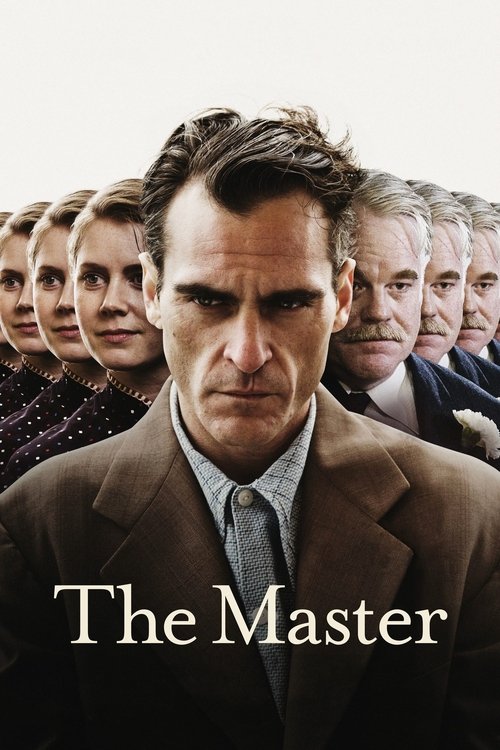
The Master
2012 · Directed by Paul Thomas Anderson
Woke Score
CriticCritic Score
Audience
Ultra Based
Critics rated this 82 points above its woke score. Among Ultra Based films, this critic score ranks #216 of 1469.
Representation Casting
Score: 5/100
The cast reflects the period setting with minimal diversity, though Amy Adams provides a female presence in a male-driven narrative. There is no evidence of deliberate representation-conscious casting.
LGBTQ+ Themes
Score: 0/100
No LGBTQ+ themes, characters, or representation present in the film.
Feminist Agenda
Score: 3/100
Amy Adams's character functions primarily as a supporting role within a male-centered psychological drama. While portrayed with dignity, she is not central to the narrative or its thematic concerns.
Racial Consciousness
Score: 0/100
The film contains no engagement with racial consciousness, racial identity, or racial justice themes. The setting and character composition reflect the period without commentary.
Climate Crusade
Score: 0/100
No climate-related themes, environmental consciousness, or ecological concerns appear in the film.
Eat the Rich
Score: 0/100
While the film critiques belief systems and manipulation, it contains no explicit anti-capitalist messaging or systemic economic critique.
Body Positivity
Score: 0/100
No body positivity framework, disability representation, or acceptance of diverse body types is present in the film.
Neurodivergence
Score: 10/100
Freddie Quell's PTSD is central to the narrative and portrayed with considerable specificity and psychological authenticity. However, this reflects genuine character development rather than contemporary neurodiversity advocacy.
Revisionist History
Score: 0/100
The film engages with post-war American history and cult dynamics authentically without imposing revisionist frameworks or contemporary moral judgments onto historical events.
Lecture Energy
Score: 5/100
The film's philosophical and religious dialogue carries weight and seriousness, though Anderson resists preachy messaging in favor of ambiguity and complexity. Some sequences approximate intellectual discourse without explicit preachiness.


Synopsis
Freddie, a volatile, heavy-drinking veteran who suffers from post-traumatic stress disorder, finds some semblance of a family when he stumbles onto the ship of Lancaster Dodd, the charismatic leader of a new "religion" he forms after World War II.
Consciousness Assessment
The Master is a film of considerable formal ambition and psychological depth, yet it operates almost entirely outside the framework of contemporary progressive social consciousness. Paul Thomas Anderson's examination of cult manipulation and post-war disorientation concerns itself with the timeless human need for meaning and belonging, not with the specific identity-based anxieties that animate modern cultural discourse. The film's power derives from its refusal to moralize or heavy-handedly instruct the viewer about systems of belief, instead presenting manipulation and delusion with the complexity of lived experience.
The minimal progressive content present in the film emerges almost accidentally from its commitment to character authenticity rather than ideological positioning. Amy Adams, while sidelined in what amounts to a male-centered psychological drama, inhabits her role with genuine nuance. The film's treatment of Freddie Quell's trauma could be read as an early engagement with male mental health, though the film predates our current cultural moment's explicit discourse on masculinity and emotional vulnerability. These elements exist without fanfare, integrated into the narrative rather than highlighted for approval.
What ultimately confines The Master to a low woke score is its fundamental indifference to the categories that define contemporary progressive sensibility. There is no racial consciousness, no climate content, no revisionist historical agenda, no body positivity framework, no lecture energy. The film is interested in something older and perhaps more austere: the human capacity for self-deception and the hunger for transcendence. It treats these themes with the gravity they deserve, which is precisely why it remains untouched by the concerns of our present moment.
Analysis generated by our Consciousness Algorithm
Critic Reviews
“Two things stand out: the extraordinary command of cinematic technique, which alone is nearly enough to keep a connoisseur on the edge of his seat the entire time, and the tremendous portrayals by Joaquin Phoenix and Philip Seymour Hoffman of two entirely antithetical men”
“The themes may be contentious, but the handling is perfect. If there were ever a movie to cause the lame to walk and the blind to see, The Master may just be it.”
“Written, directed, acted, shot, edited and scored with a bracing vibrancy that restores your faith in film as an art form, The Master is nirvana for movie lovers. Anderson mixes sounds and images into a dark, dazzling music that is all his own. ”
“Call The Master whatever you want, but lobotomized catatonia from what I call the New Hacks can never take the place of well-made narrative films about real people that tell profound stories for a broader and more sophisticated audience. Fads come and go, but as Walter Kerr used to say, "I'll yell tripe whenever tripe is served."”
Consciousness Markers
The cast reflects the period setting with minimal diversity, though Amy Adams provides a female presence in a male-driven narrative. There is no evidence of deliberate representation-conscious casting.
No LGBTQ+ themes, characters, or representation present in the film.
Amy Adams's character functions primarily as a supporting role within a male-centered psychological drama. While portrayed with dignity, she is not central to the narrative or its thematic concerns.
The film contains no engagement with racial consciousness, racial identity, or racial justice themes. The setting and character composition reflect the period without commentary.
No climate-related themes, environmental consciousness, or ecological concerns appear in the film.
While the film critiques belief systems and manipulation, it contains no explicit anti-capitalist messaging or systemic economic critique.
No body positivity framework, disability representation, or acceptance of diverse body types is present in the film.
Freddie Quell's PTSD is central to the narrative and portrayed with considerable specificity and psychological authenticity. However, this reflects genuine character development rather than contemporary neurodiversity advocacy.
The film engages with post-war American history and cult dynamics authentically without imposing revisionist frameworks or contemporary moral judgments onto historical events.
The film's philosophical and religious dialogue carries weight and seriousness, though Anderson resists preachy messaging in favor of ambiguity and complexity. Some sequences approximate intellectual discourse without explicit preachiness.