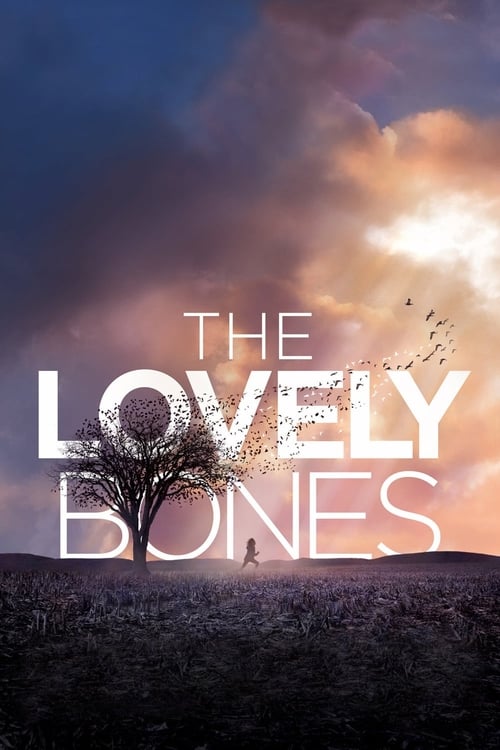
The Lovely Bones
2009 · Directed by Peter Jackson
Woke Score
CriticCritic Score
Audience
Based
Critics rated this 20 points above its woke score. Among Based films, this critic score ranks #331 of 345.
Representation Casting
Score: 25/100
The cast includes actors of various backgrounds and ethnicities, but diversity is not foregrounded as a thematic concern. Representation exists naturally without commentary.
LGBTQ+ Themes
Score: 0/100
No LGBTQ+ characters, themes, or representation are present in the film.
Feminist Agenda
Score: 35/100
The protagonist is a young woman whose perspective anchors the narrative, but the focus remains on victimhood and trauma rather than feminist empowerment or systemic critique.
Racial Consciousness
Score: 0/100
The film contains no engagement with racial themes, systemic racism, or racial commentary despite its suburban American setting.
Climate Crusade
Score: 0/100
No environmental or climate-related themes are present in the narrative.
Eat the Rich
Score: 0/100
The film contains no class critique, anti-capitalist messaging, or engagement with economic systems.
Body Positivity
Score: 0/100
No body positivity themes, diverse body representation, or critique of beauty standards are evident in the film.
Neurodivergence
Score: 0/100
No neurodivergent characters or themes related to neurodiversity are present.
Revisionist History
Score: 0/100
While set in 1973, the film does not reframe or reinterpret historical narratives. It functions as contemporary fantasy rather than historical revisionism.
Lecture Energy
Score: 15/100
The film contains modest moral instruction regarding forgiveness and acceptance, but maintains an elegiac rather than preachy tone overall.


Synopsis
After being brutally murdered, 14-year-old Susie Salmon watches from heaven over her grief-stricken family -- and her killer. As she observes their daily lives, she must balance her thirst for revenge with her desire for her family to heal.
Consciousness Assessment
Peter Jackson's adaptation of Alice Sebold's novel is a carefully constructed meditation on grief and the afterlife, filtered through the sensibilities of early 2000s literary fiction. The film presents a teenage girl's perspective as its central consciousness, though this narrative choice stems more from the source material than from any deliberate engagement with contemporary feminist discourse. The story unfolds as a supernatural family drama rather than as a work of social critique, treating its themes of trauma and loss with a kind of mournful sincerity that predates the particular cultural anxieties that would later define progressive filmmaking.
The film's restraint on matters of representation and social consciousness is perhaps unsurprising for a 2009 release. It offers a diverse cast without foregrounding diversity as a thematic concern. The cast includes actors of various backgrounds, yet the narrative remains focused on individual grief rather than systemic issues. There is no engagement with racial dynamics, class analysis, environmental consciousness, or the other markers that would later become familiar in films marketed toward progressive audiences. The closest the film comes to moral instruction is its recurring meditation on forgiveness and acceptance, a theme that feels closer to spiritual guidance than to social consciousness.
Jackson treats the material with the gravity of someone adapting a bestselling novel, not with the particular sensibility that would come to characterize socially aware filmmaking in subsequent years. The result is a work that occupies a liminal space in the taxonomy of modern cinema, too early to participate in the specific constellation of cultural markers that define contemporary progressive aesthetics.
Analysis generated by our Consciousness Algorithm
Critic Reviews
“As someone new to the material, I found Jackson’s film soulful, respectful, masterful, horrifying, rending and emotionally true. It may not be the Lovely Bones that you have in mind, but it’s a fine and powerful one.”
“Like “The Lord Of The Rings,” The Lovely Bones does a fantastic job with revered, complex source material. As terrific on terra firma as it is audacious in its astral plane, it is doubtful we’ll see a more imaginative, courageous film in 2010.”
“All this is conveyed in the remarkable performance of Ronan, an Oscar nominee for Atonement. She and Tucci -- magnificent as a man of uncontrollable impulses -- help Jackson cut a path to a humanity that supersedes life and death.”
“Peter Jackson siphoned out all the soulfulness that made the author's combination thriller/afterlife fantasy a best-seller. In its place is a gumball-colored potboiler that's more squalid than truly mournful.”
Consciousness Markers
The cast includes actors of various backgrounds and ethnicities, but diversity is not foregrounded as a thematic concern. Representation exists naturally without commentary.
No LGBTQ+ characters, themes, or representation are present in the film.
The protagonist is a young woman whose perspective anchors the narrative, but the focus remains on victimhood and trauma rather than feminist empowerment or systemic critique.
The film contains no engagement with racial themes, systemic racism, or racial commentary despite its suburban American setting.
No environmental or climate-related themes are present in the narrative.
The film contains no class critique, anti-capitalist messaging, or engagement with economic systems.
No body positivity themes, diverse body representation, or critique of beauty standards are evident in the film.
No neurodivergent characters or themes related to neurodiversity are present.
While set in 1973, the film does not reframe or reinterpret historical narratives. It functions as contemporary fantasy rather than historical revisionism.
The film contains modest moral instruction regarding forgiveness and acceptance, but maintains an elegiac rather than preachy tone overall.