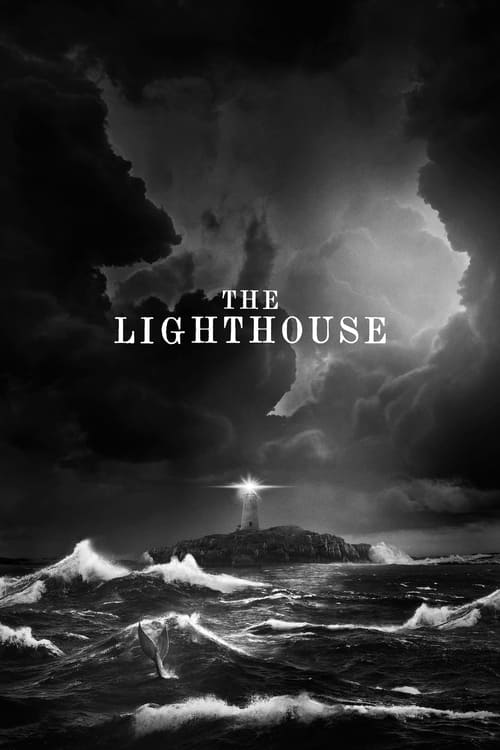
The Lighthouse
2019 · Directed by Robert Eggers
Woke Score
CriticCritic Score
Audience
Ultra Based
Critics rated this 54 points above its woke score. Among Ultra Based films, this critic score ranks #951 of 1469.
Representation Casting
Score: 0/100
Only two significant human characters, both white men. No diversity in casting or representation effort.
LGBTQ+ Themes
Score: 15/100
Homoerotic tension present but treated as psychosexual horror rather than identity affirmation or contemporary LGBTQ+ framework.
Feminist Agenda
Score: 0/100
Entirely male-centered narrative with no female characters of significance. No feminist perspective or agenda.
Racial Consciousness
Score: 0/100
No racial themes, awareness, or commentary present in the film.
Climate Crusade
Score: 0/100
Environmental elements serve atmospheric and gothic purposes only, not political or activist messaging.
Eat the Rich
Score: 10/100
Labor hierarchies and power dynamics between keepers present but not critiqued as capitalist systems.
Body Positivity
Score: 0/100
Graphic male nudity appears but serves horror and degradation rather than body positivity messaging.
Neurodivergence
Score: 5/100
Mental illness and madness are central but treated as gothic horror elements rather than neurodivergent representation or awareness.
Revisionist History
Score: 0/100
Period setting makes no attempt to reframe historical narratives or correct past injustices.
Lecture Energy
Score: 0/100
Film is deliberately opaque and ambiguous, avoiding any preachy messaging or educational intent.


Synopsis
Two lighthouse keepers try to maintain their sanity while living on a remote and mysterious New England island in the 1890s.
Consciousness Assessment
Robert Eggers' The Lighthouse is a monument to retrograde aesthetics, a black-and-white exercise in formal constraint that treats social consciousness with the indifference of a granite stone. The film concerns itself with the interior collapse of two men, their psychological unraveling accelerated by isolation, alcoholism, and the peculiar resentments that fester between those trapped in close quarters. It is a study of obsession and ego stripped of any concern for the contemporary cultural moment.
The film's resistance to progressive sensibilities is nearly complete. Two white men occupy the entire narrative space, their conflict driven by personal jealousy and madness rather than any systemic critique. When the film flirts with homoerotic imagery, it does so in service of psychological horror rather than identity affirmation, treating desire as another manifestation of the men's fractured minds. There is no attempt to interrogate historical power structures, labor dynamics, or the social hierarchies embedded in the keeper system. Even the film's treatment of mental illness operates as gothic texture rather than neurodivergent representation.
Eggers has created something almost aggressively uncommitted to the prevailing cultural discourse. The Lighthouse refuses to lecture, refuses to educate, refuses to include. It is a film that knows exactly what it is doing and does not care. For those seeking contemporary social consciousness in their cinema, this is not the vessel.
Analysis generated by our Consciousness Algorithm
Critic Reviews
“The high production values, excellent acting, and strong writing make this a cut above what is often accorded this sort of release pattern. For those intrigued by the material, it’s worth seeking out.”
“Based on real-life events, The Lighthouse depicts its dramatic situations in credible and compelling fashion. But its single, cramped setting and leisurely pacing could definitely tax the patience of horror fans looking for a more visceral, scare-laden experience.”
“The Lighthouse builds to a tragic incident and its disturbing aftermath, depicted with the dread and sick irony of an old “Tales From the Crypt” comic. But for the most part, the fears here are social, not supernatural.”
“Economically deployed effects lend the gathering storm a genuine sense of anxious bluster, but tension and terror are harder to conjure in a narrative this sparse and emotionally one-note.”
Consciousness Markers
Only two significant human characters, both white men. No diversity in casting or representation effort.
Homoerotic tension present but treated as psychosexual horror rather than identity affirmation or contemporary LGBTQ+ framework.
Entirely male-centered narrative with no female characters of significance. No feminist perspective or agenda.
No racial themes, awareness, or commentary present in the film.
Environmental elements serve atmospheric and gothic purposes only, not political or activist messaging.
Labor hierarchies and power dynamics between keepers present but not critiqued as capitalist systems.
Graphic male nudity appears but serves horror and degradation rather than body positivity messaging.
Mental illness and madness are central but treated as gothic horror elements rather than neurodivergent representation or awareness.
Period setting makes no attempt to reframe historical narratives or correct past injustices.
Film is deliberately opaque and ambiguous, avoiding any preachy messaging or educational intent.