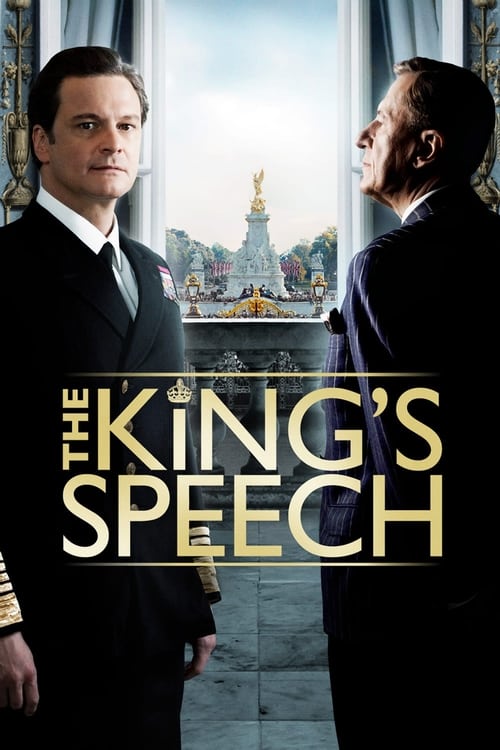
The King's Speech
2010 · Directed by Tom Hooper
Woke Score
CriticCritic Score
Audience
Ultra Based
Critics rated this 84 points above its woke score. Among Ultra Based films, this critic score ranks #171 of 1469.
Representation Casting
Score: 0/100
The cast reflects historical accuracy of the 1930s-40s British royal court with all white actors in period-appropriate roles. No contemporary diversity considerations are evident.
LGBTQ+ Themes
Score: 0/100
Geoffrey Rush's character is heterosexual and married. There are no LGBTQ+ themes, relationships, or commentary in the film.
Feminist Agenda
Score: 0/100
Female characters occupy traditional supporting roles as queen, duchess, and family members. There is no feminist critique or agenda present.
Racial Consciousness
Score: 0/100
The film contains no engagement with racial themes or consciousness. The cast and narrative reflect a monoracial historical setting with no commentary.
Climate Crusade
Score: 0/100
There is no climate-related content, messaging, or thematic engagement whatsoever in this historical drama.
Eat the Rich
Score: 2/100
A commoner teaches a king, suggesting a minor subversion of class hierarchy, but this serves personal narrative rather than systemic critique. No anti-capitalist messaging exists.
Body Positivity
Score: 0/100
Body positivity is not a thematic concern. The film does not engage with bodies, appearance, or physical diversity as social justice matters.
Neurodivergence
Score: 0/100
The protagonist's stutter is framed as a medical/psychological problem to be overcome through therapy, not as a neurodivergent identity to be accommodated or celebrated.
Revisionist History
Score: 0/100
The film presents a conventional historical narrative about King George VI with no revisionist reinterpretation of historical events or figures.
Lecture Energy
Score: 0/100
The film does not contain preachy messaging, moral lectures, or explicit instruction about social issues. It operates through narrative and character.


Synopsis
The King's Speech tells the story of the man who became King George VI, the father of Queen Elizabeth II. After his brother abdicates, George ('Bertie') reluctantly assumes the throne. Plagued by a dreaded stutter and considered unfit to be king, Bertie engages the help of an unorthodox speech therapist named Lionel Logue. Through a set of unexpected techniques, and as a result of an unlikely friendship, Bertie is able to find his voice and boldly lead the country into war.
Consciousness Assessment
The King's Speech is a period drama about personal triumph over adversity, a narrative framework that predates modern progressive sensibilities by decades. The film concerns itself with the private psychological struggle of King George VI to overcome a speech impediment, employing therapeutic techniques and personal discipline as the path to success. There are no meaningful engagements with contemporary cultural awareness movements, no interrogation of power structures beyond a superficial class dynamic, and no thematic investment in the constellation of social justice frameworks that define modern progressive cinema. The cast reflects the historical reality of the British royal court, with no apparent consideration given to representation as a contemporary value. The female characters exist in supporting roles appropriate to the period setting, but the film offers no feminist critique or agenda. The protagonist's stutter is treated as a medical and psychological matter, not as a neurodivergent identity worthy of celebration or social accommodation.
The film's sole claim to any contemporary social consciousness is accidental: the relationship between the king and his Australian speech therapist involves a degree of class transgression, with a commoner teaching a monarch. Yet this dynamic serves the narrative of individual transformation rather than systemic critique. There is no lecture energy, no revisionist history, no climate content, no anti-capitalist messaging, no body positivity agenda, and no LGBTQ+ thematic material despite the sexual orientation of one of its lead actors. The film is fundamentally a work of traditional humanism concerned with courage, friendship, and duty as transcendent values.
This is a film that would have felt at home in 1990s prestige cinema, and indeed won the Academy Award for Best Picture in 2011 precisely because it represents a particular strain of middlebrow, character-driven filmmaking that values emotional authenticity and historical recreation above all else. It is not hostile to progressive values, nor is it particularly invested in conservative ideology. It is simply apolitical in the manner of mainstream historical drama, treating its subject matter with earnest seriousness and asking the viewer to be moved by individual struggle and human connection. For those seeking evidence of contemporary progressive consciousness in film, this is not the place to look.
Analysis generated by our Consciousness Algorithm
Critic Reviews
“Let's say it without equivocation: Colin Firth deserves an Oscar for his lead role in The King's Speech as the stammering King George VI.”
“It's the relationship between the two men that makes the film work: Geoffrey Rush's teacher cracking the quip, and Colin Firth so persuasive as the panicky king that by the time he gets to his crucial speech about going to war, you'll be panicking right along with him.”
“The King's Speech is a warm, wise film - the best period movie of the year and one of the year's best movies. ”
“Firth is exceptional in letting us into his dissolving pride. ”
Consciousness Markers
The cast reflects historical accuracy of the 1930s-40s British royal court with all white actors in period-appropriate roles. No contemporary diversity considerations are evident.
Geoffrey Rush's character is heterosexual and married. There are no LGBTQ+ themes, relationships, or commentary in the film.
Female characters occupy traditional supporting roles as queen, duchess, and family members. There is no feminist critique or agenda present.
The film contains no engagement with racial themes or consciousness. The cast and narrative reflect a monoracial historical setting with no commentary.
There is no climate-related content, messaging, or thematic engagement whatsoever in this historical drama.
A commoner teaches a king, suggesting a minor subversion of class hierarchy, but this serves personal narrative rather than systemic critique. No anti-capitalist messaging exists.
Body positivity is not a thematic concern. The film does not engage with bodies, appearance, or physical diversity as social justice matters.
The protagonist's stutter is framed as a medical/psychological problem to be overcome through therapy, not as a neurodivergent identity to be accommodated or celebrated.
The film presents a conventional historical narrative about King George VI with no revisionist reinterpretation of historical events or figures.
The film does not contain preachy messaging, moral lectures, or explicit instruction about social issues. It operates through narrative and character.